
Last updated November 23, 2026
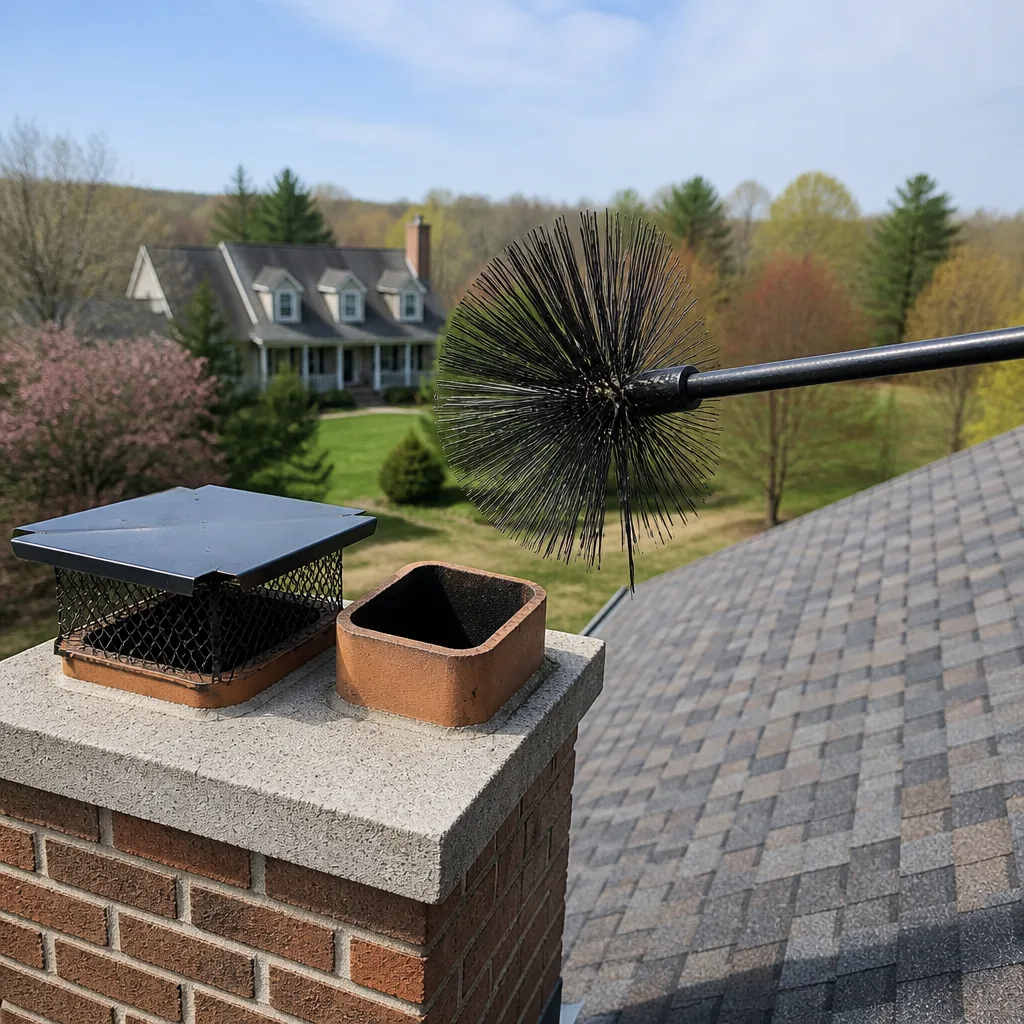 Sweep & inspection
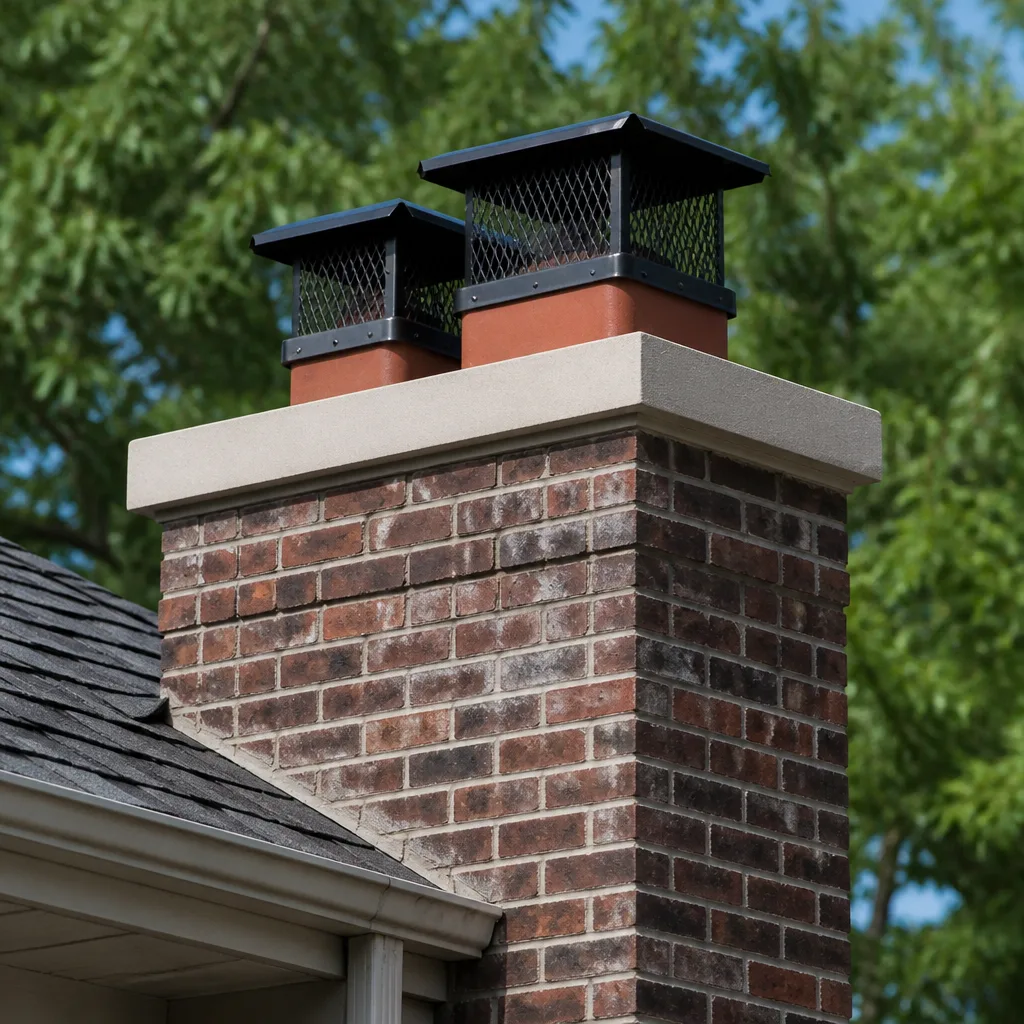 Caps & crowns
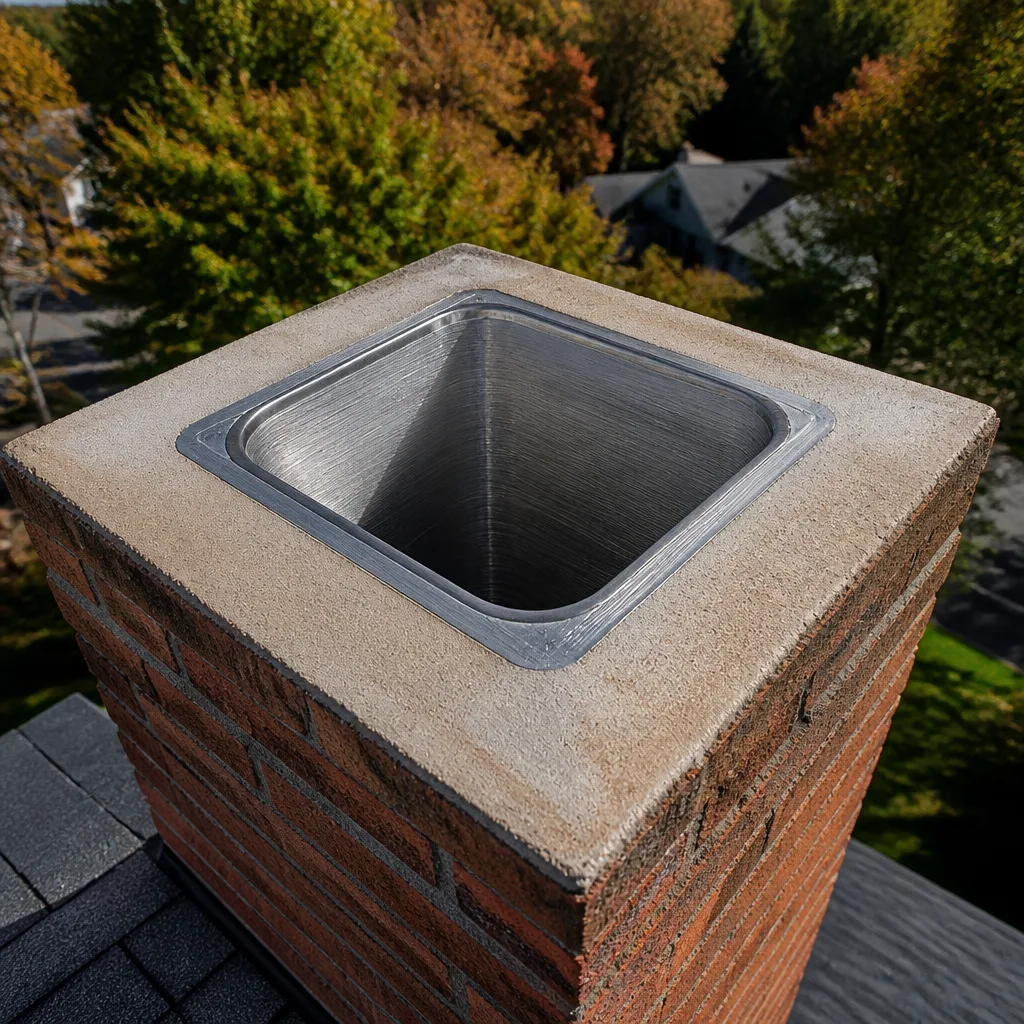 Flue relining
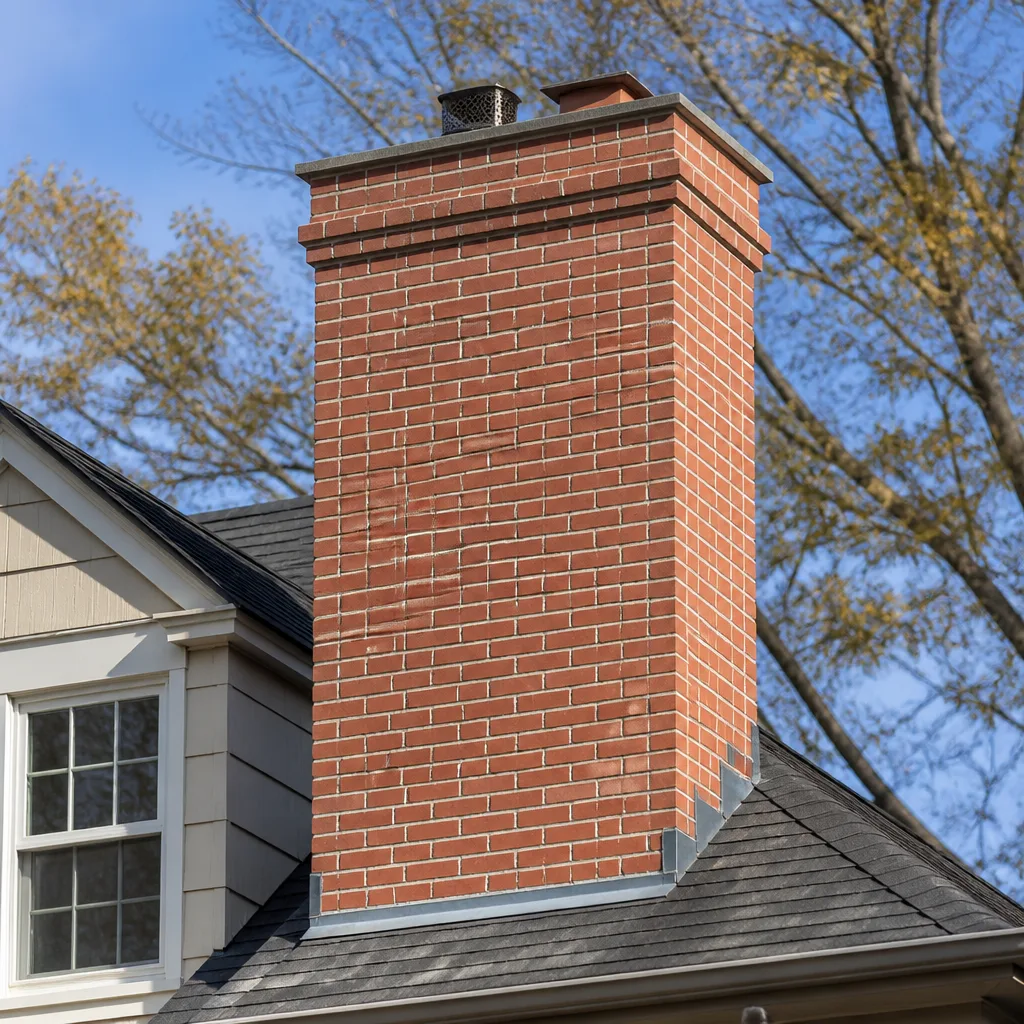 Masonry repair
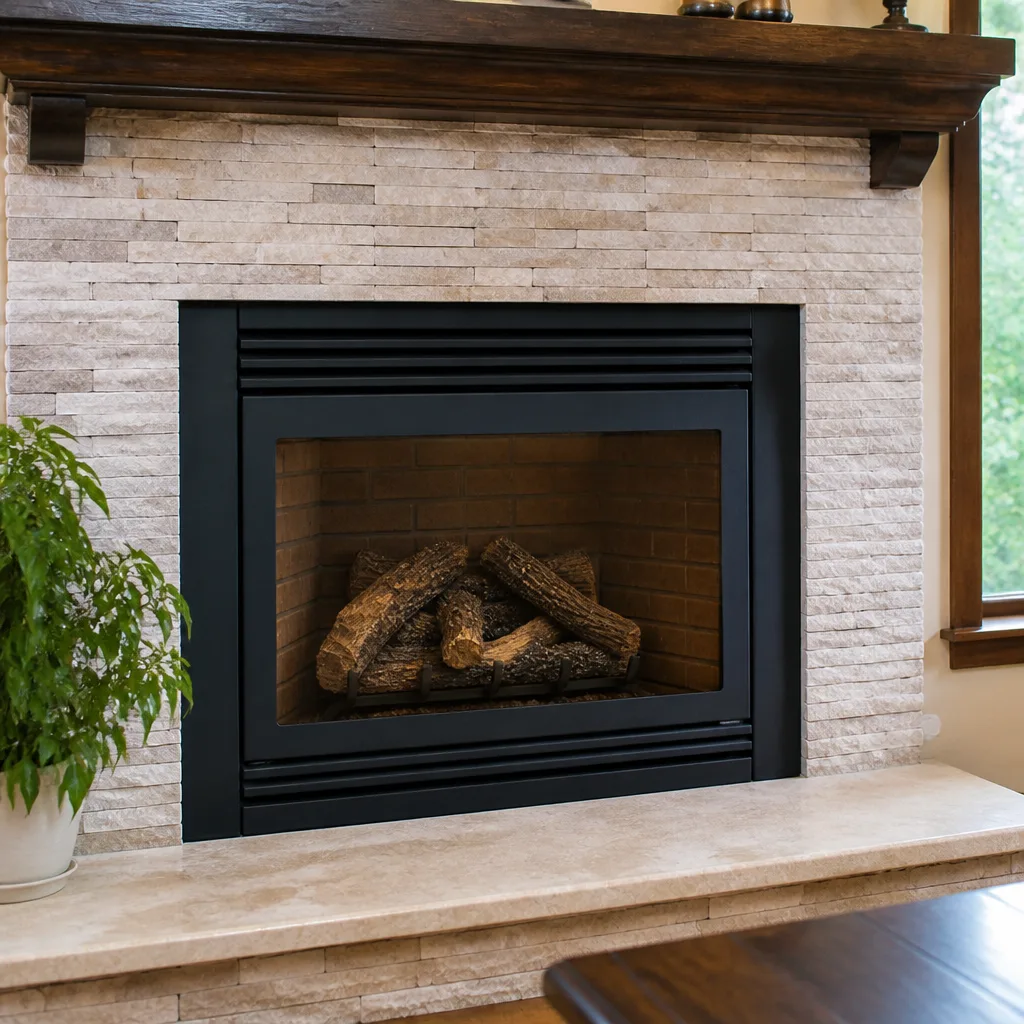 Gas fireplace service
Level 1 sweep and inspection to the NFPA 211 annual standard - flue, crown, cap, and flashing checked and photographed
Chimney sweep logs do not sweep chimneys. They loosen some creosote - which then falls where a brush and vacuum still have to collect it.
Chimney Sweep Maintenance Checklist for Harvey Park Homeowners
A chimney cap that looked fine in September can be cracked and open by November. That’s not a scare tactic, it’s how freeze-thaw cycles work in Harvey Park, where a warm afternoon softens mortar and a cold night splits it. Most homeowners never learn what to look for from the ground, so small failures go unnoticed until they’re expensive. This guide gives you a checklist built around the failure points we actually find in Harvey Park chimneys: what you can safely check yourself, what each warning sign means, and what to document before you call a sweep.
Quick Answer
A good chimney maintenance checklist in Harvey Park covers four things: ground-level visual checks you can do yourself (cap, crown, brick, mortar), interior checks inside the firebox (damper, liner visible surfaces, creosote), annual professional inspection and sweeping, and photo documentation of anything that changes. Most serious chimney problems start small and are visible long before they become structural. Checking monthly and booking a professional sweep once a year catches nearly all of them early.
Styles & brands we work with
- Sweep & inspection
- Caps & crowns
- Flue relining
- Masonry repair
- Gas fireplace service
Table of Contents
- Ground-Level Checks You Can Do Safely
- Interior Checks Inside the Firebox
- Colorado Red Flags: Efflorescence, Spalling, and Mortar Recession
- What to Photograph Before You Call
- Tasks That Extend Sweep Intervals (and Ones That Don’t)
- Timing Your Maintenance Around Harvey Park Seasons
- Why Cap and Crown Work Belongs on Your Checklist
- What a Professional Actually Checks
Ground-Level Checks You Can Do Safely
You can learn a lot about a chimney without climbing anything. Stand back from the house on a clear day and spend five minutes looking at the stack with binoculars. These checks are safe, quick, and catch the problems that lead to water damage.
Walk around the chimney on the roof line from the ground, checking the same components each time so you notice changes:
- The cap. Is it still covering the flue opening? A cap that shifted, cracked at a weld joint, or lost a screen lets rain and animals in. Mesh screens should be intact with no sagging.
- The crown. That’s the sloped concrete or mortar top that sheds water away from the flue. Look for cracks, especially where the crown meets the flue tile. A hairline crack is normal wear; a crack you can see from the ground needs attention.
- Brick faces. Look for faces that have flaked, peeled, or crumbled. Spalling brick means water is getting in and freezing inside the brick.
- Mortar joints. Compare the joints low on the stack to the joints higher up. Joints that have receded or look like they’re missing mortar are a sign the chimney has been taking on water.
- Tilt or lean. A chimney that visibly leans, or a gap between the chimney and the roofline, is a structural concern for a professional to inspect, not a homeowner project.
None of these checks require you to get on the roof, and we’d rather you didn’t. What matters is doing them the same way each month so you can tell a stable condition from one that’s getting worse. In Harvey Park, where wind and quick temperature swings work on the stack year-round, that monthly comparison is what makes a checklist useful.
Interior Checks Inside the Firebox
The firebox tells you as much as the roofline, and you don’t need tools to read it. Before each fire season, and again during heavy burning, open the firebox door or screen and look with a flashlight. What you’re checking for: creosote buildup, damper movement, and whether the liner looks sound where it meets the smoke chamber.
- Creosote on the firebox walls. A thin gray dust is normal. Glossy, tar-like deposits or a crusty layer more than a quarter inch thick is a sign your flue needs a professional sweep before you burn again.
- The damper. Open and close it while you watch. It should move smoothly and seat against its frame. A damper that sticks open lets heated air out of the house all winter and lets cold air in when the fireplace is idle.
- Visible liner joints. Where you can see the flue tile or liner through the smoke chamber, look for cracked tile, gaps between tiles, or missing mortar.
- Rust and staining. White or brown staining on metal components, or rust on the damper or firebox, points to moisture getting in from above.
- Odor. A sour, smoky smell when the fireplace is cold often means creosote accumulation or a downdraft problem. Both are worth a professional look.
One caution: creosote is highly flammable, and a chimney fire can start from a single accumulation in the flue. If you see glossy black deposits or smell a strong creosote odor, don’t burn until a sweep has cleaned the flue. This is the one interior finding you shouldn’t wait on. Our technicians have up to 8 years of experience reading exactly these signs, and a proper chimney sweep removes the fuel load that makes chimney fires possible.
Colorado Red Flags: Efflorescence, Spalling, and Mortar Recession
Harvey Park sits on the Front Range, where chimney masonry faces a freeze-thaw cycle that builds and breaks apart brick and mortar repeatedly through winter. That produces three specific warning signs you should learn to recognize, because each one means something different.
Efflorescence is the white, chalky staining you sometimes see on brick faces. It’s salt pushed to the surface by water moving through the masonry. On its own it’s a cosmetic sign, but it’s also evidence that water is migrating through the chimney and drying outward. If it reappears after rain, water is finding a path in, and the source (usually a failed cap or crown) needs fixing.
Spalling brick is the next stage. The water inside the brick freezes, expands, and pops the face off. Spalling brick around the crown is especially common in Harvey Park because the crown takes the most direct weather. When you see brick faces flaking off, the freeze-thaw cycle is actively damaging the chimney, and the repair gets more expensive the longer it waits.
Mortar joint recession is the slow one. Mortar is softer than brick and erodes first. Joints that have receded a quarter inch or more let water into the wall behind them. You’ll usually spot it as joints that look shadowed or hollowed compared to newer masonry closer to the roofline. Recession is a repair signal that a professional should look at before the next winter, not something to simply paint over.
We see all three in Harvey Park fairly often, and they’re the reason this checklist emphasizes the roofline and crown rather than just the firebox. A chimney that’s watertight on top stays sound for decades. One that isn’t will keep showing you the evidence, brick by brick.
What to Photograph Before You Call
Before you call anyone for service, take a few minutes to document what you see. It speeds up diagnosis, helps the technician bring the right materials, and gives you a way to compare conditions after a repair. You don’t need a special camera, just your phone and good light.
- Straight-on shot of the roofline from the yard, showing the full chimney and cap. This becomes your reference photo for future comparisons.
- Close-up of the crown if you can zoom on it from the ground. Cracks and spalling around the flue tile show here.
- The cap and screen. A clear photo of the cap’s top and screen condition tells the technician whether a cap repair is likely.
- Brick and mortar detail on one or two faces of the stack, especially anywhere staining or flaking is visible.
- Inside the firebox with a flashlight, focused on the damper and the visible liner at the smoke chamber.
- Any interior staining near the fireplace, ceiling, or attic where the chimney passes through, which points to a leak path.
Date the photos in your phone and keep them together in one album. A record like that does one quiet but valuable thing: it separates “we’ve been meaning to fix that for years” from “the crack changed this season.” Chimney Sweep Harvey Park technicians can read a record in a minute and plan the visit accordingly, which usually means the first appointment arrives with the right parts already on the list. That includes HeatShield ceramic resurfacing materials, which we use for liner repair and which most general contractors don’t stock or offer.
Tasks That Extend Sweep Intervals (and Ones That Don’t)
Some maintenance genuinely stretches the time between professional sweeps. Others feel productive but don’t change how fast creosote builds. Knowing the difference keeps you from wasting effort and from putting off a sweep that’s actually due.
What does extend your sweep interval:
- Burning seasoned, dry wood. Wood with low moisture content produces less creosote than green or unseasoned wood. This is the single biggest factor.
- Keeping fires hot and efficient. Small, smoldering fires create more creosote than hot burns. Build full, hot fires and let them burn down rather than damping them down for long overnight burns.
- Maintaining good draft. A clear flue, intact cap screen, and a damper that seats properly keep smoke moving up and out.
- Removing ash regularly. A thick ash bed can interfere with airflow to the fire.
What doesn’t extend your sweep interval, despite the common belief that it does:
- Burning “cleaning logs” or chemical creosote removers. These may loosen light deposits but don’t replace a physical sweep and can’t remove heavy, glazed creosote.
- Spraying the firebox with water or vinegar as a cleaning method. It doesn’t touch what’s in the flue.
- Burning only on special occasions. Less use means slower buildup, but not zero, and infrequent burning sometimes produces more creosote per fire because the flue stays cold.
The practical rule: check the flue visually each season and sweep when creosote reaches roughly a quarter inch or when your annual inspection says it’s time. Yearly chimney sweep and inspection is the baseline most households should plan for, whether or not the firebox looks clean.
Timing Your Maintenance Around Harvey Park Seasons
The best time to inspect a chimney in Harvey Park is late summer and early fall, before the first burn. That’s when a trained eye can still fix a crown crack or cap problem before freeze-thaw starts working on it, and when a sweep clears the flue before you need it. But the checklist doesn’t stop in autumn.
A simple calendar for Harvey Park homeowners:
- Late summer: Book your professional inspection and sweep. Have the cap, crown, and brick reviewed while the weather allows quick repairs.
- Early fall: Complete the ground-level visual check and the firebox check. Take your reference photos. Test the damper before first fire.
- Winter: Check the firebox monthly during the burn season, looking for creosote buildup and odor. Watch the roofline from the ground after storms.
- Spring: Do a ground-level check for winter damage, particularly to the crown, where freeze-thaw does the most work. Photograph anything new and compare to your fall photos.
- Midsummer: Good time for repair work. Mortar, cap, and crown repairs cure best in warm, dry weather.
The reframe worth making: spring and midsummer aren’t the off-season for your chimney, they’re the repair season. Scheduling chimney cap & crown work before fall means the protective parts are sound and shedding water when the cold arrives. And for interior fireplace issues, a fireplace repair done in summer is done in time for the first cool evening.
Why Cap and Crown Work Belongs on Your Checklist
If there’s one part of the checklist most homeowners skip, it’s the cap and crown. These are the protective parts, the components that keep rain and snow out of the flue and out of the masonry. A crown that’s cracked and a cap that’s loose are the leading cause of preventable chimney water damage, and water damage is what turns a simple repair into a rebuild.
The cap sits over the flue exit and blocks rain, debris, and wildlife. The crown is the sloped concrete cap across the whole chimney top that sheds water away from the brick. When both are intact, water runs off the way it should. When either fails, water finds its way into the masonry, freeze-thaw does the rest, and you see efflorescence, spalling, and mortar recession downstream.
This is why cap and crown work is worth checking on your monthly walk-around. If you can see the crown from the ground, note any cracks. If you can’t see it well, ask your inspector to check it during the annual visit. We use professional cap and crown materials from suppliers like Gelco and Olympia Chimney, because a cap or crown installed correctly today prevents a costly rebuild later. That’s the cheapest maintenance line on the whole checklist, and the one most often skipped.
What a Professional Actually Checks
A professional inspection covers far more than a homeowner can see from the ground or the firebox. It’s the backstop for everything on this checklist, and it’s where the parts you can’t reach get examined directly.
- The entire flue, top to bottom. Creosote level, tile condition, gaps between tiles, and whether the liner is intact.
- The smoke chamber and shelf. Creosote accumulates here, and it’s a spot homeowners can’t see.
- The crown, cap, and flashing. Flashings at the roofline are a common leak source. A loose cap or cracked crown is repaired on the spot or scheduled.
- The firebox and damper assembly. Cracks in the firebox masonry, damper operation, and hearth clearances.
- The chimney’s structure. Brick faces, mortar joints, and the whole stack relative to the roofline.
When we inspect a chimney in Harvey Park, we take photos as we go so you can see what we see. That matters, because the real worry for a homeowner is being told they need liner or masonry work they have no way to verify. Nothing gets recommended without camera evidence you can review yourself, and where a repair can safely wait, we say so. When relining is genuinely needed, we carry professional systems like DuraFlex and Copperfield, so the job is done with specified materials and one company accountable from inspection through repair. If you want to understand the standard behind the sweep, our team follows the kind of inspection and cleaning practice a specialty chimney company is built around, and we can walk you through it on the call.
Common Mistakes to Avoid
- Skipping the ground-level check because “the fireplace works fine.” A chimney can be water-damaged for seasons while the fireplace still draws and burns normally. The firebox only tells you about the firebox; the roofline tells you about the structure.
- Assuming a cap is fine because it’s still attached. In Harvey Park, a cap can be cracked at a weld or seam and still look attached from the yard. Check the screen and the top surface, not just the mount.
- Burning unseasoned wood to save money. Green wood gives up moisture in the fire and sends it up the flue as creosote. The savings disappear in extra sweeping and, eventually, liner damage.
- Painting over mortar recession. Paint traps moisture against the brick and accelerates spalling. Open, eroding joints need repointing, not paint.
- Waiting for spring to fix a winter crack. A crown crack found in October that waits until summer has a full freeze-thaw season to spread. Repairs are cheaper the sooner they happen.
- Using a general handyman for chimney work. Chimney caps, crowns, and liners are specialty components. A generalist who doesn’t stock liner systems or crown materials often ends up handing the job off.
- Skipping documentation. Without photos, you can’t tell a stable condition from a slowly worsening one, and you’ll pay for an inspector to rediscover what you already knew.
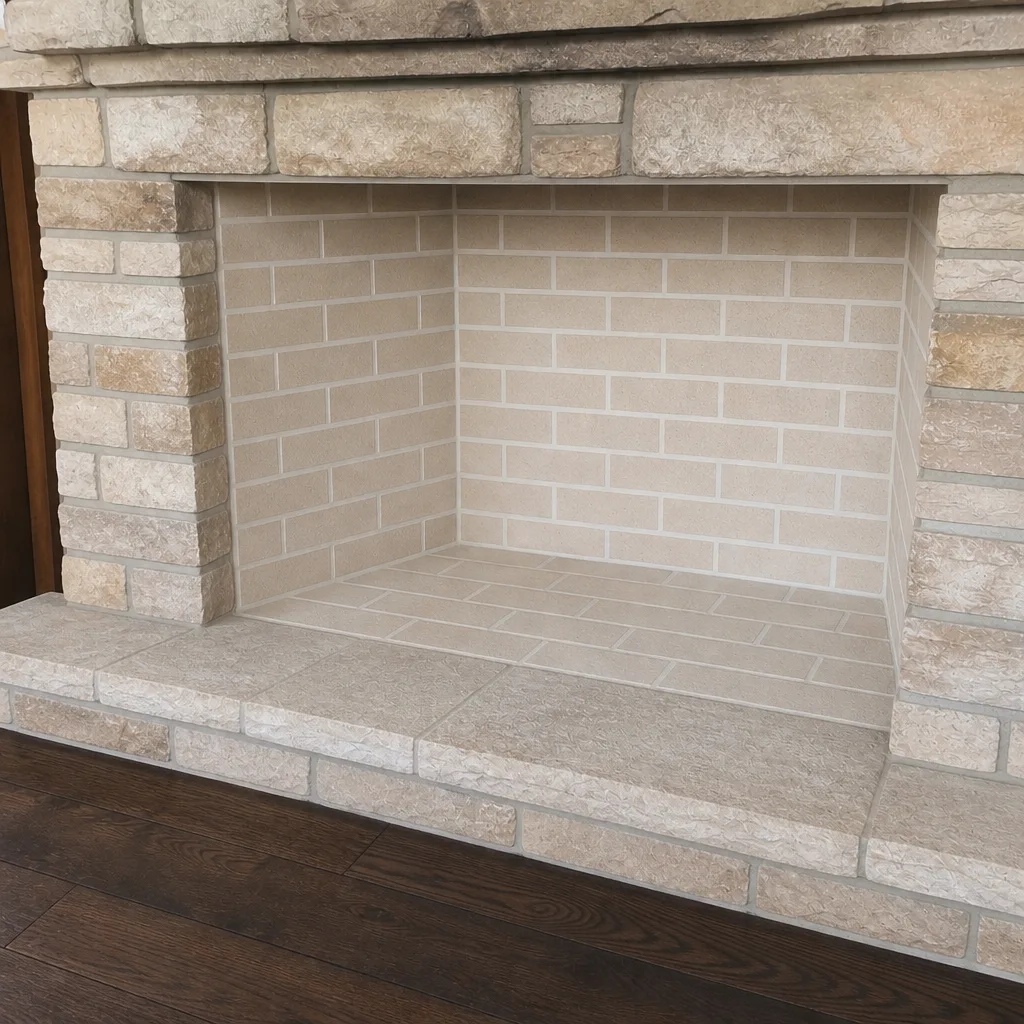
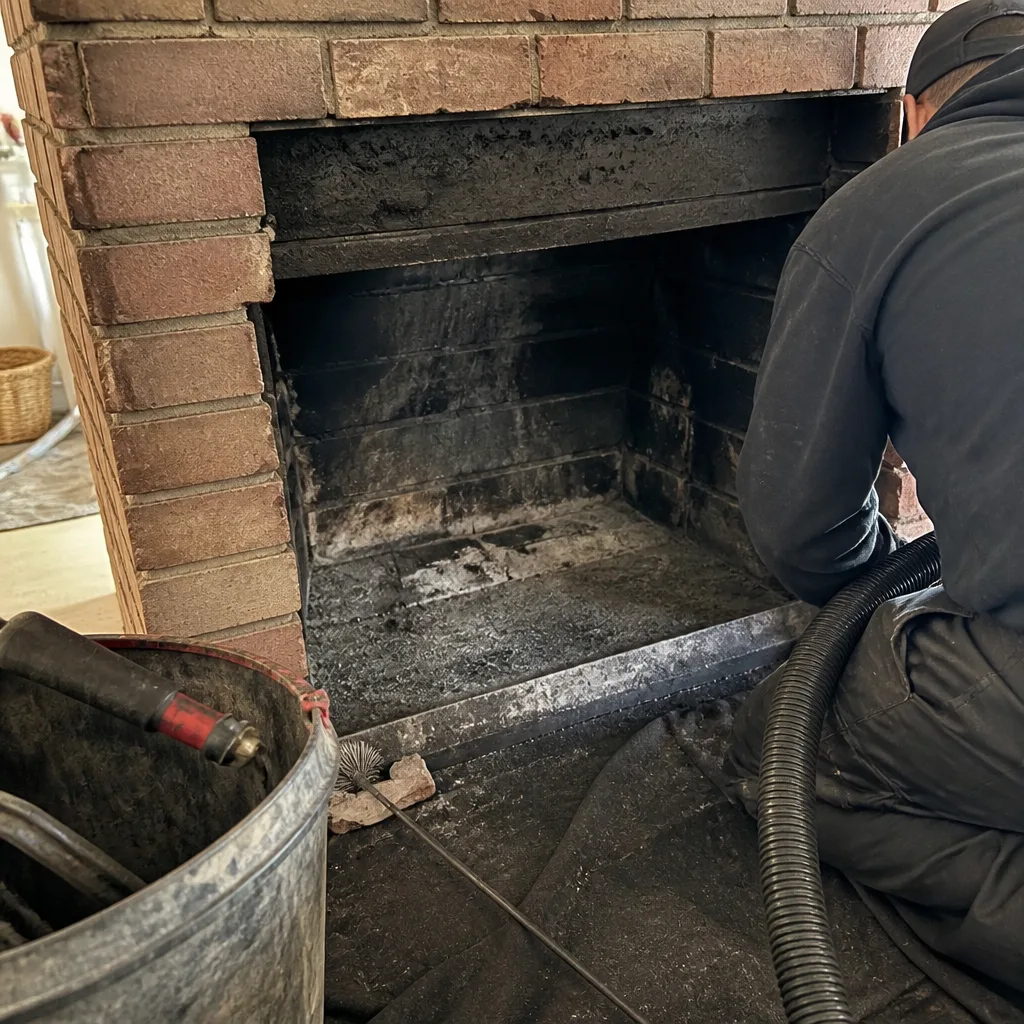
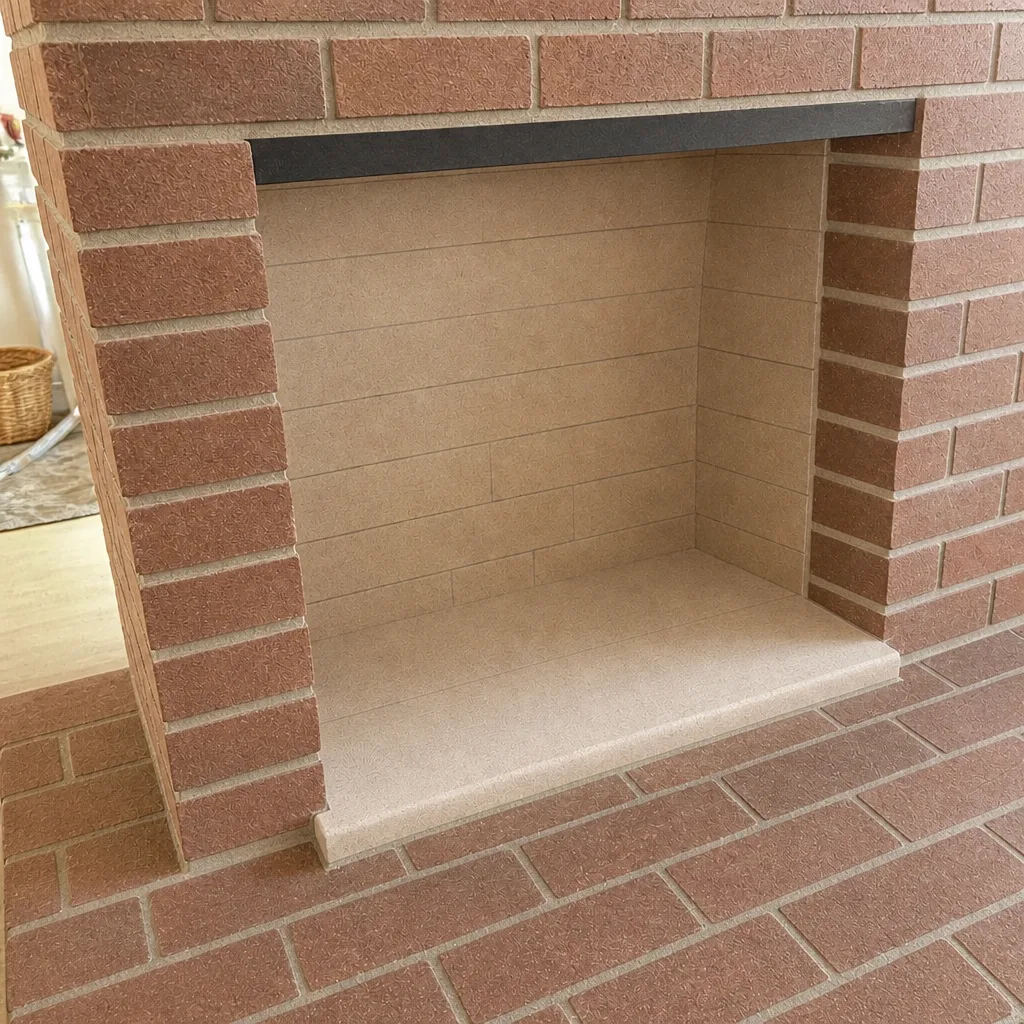
See the difference
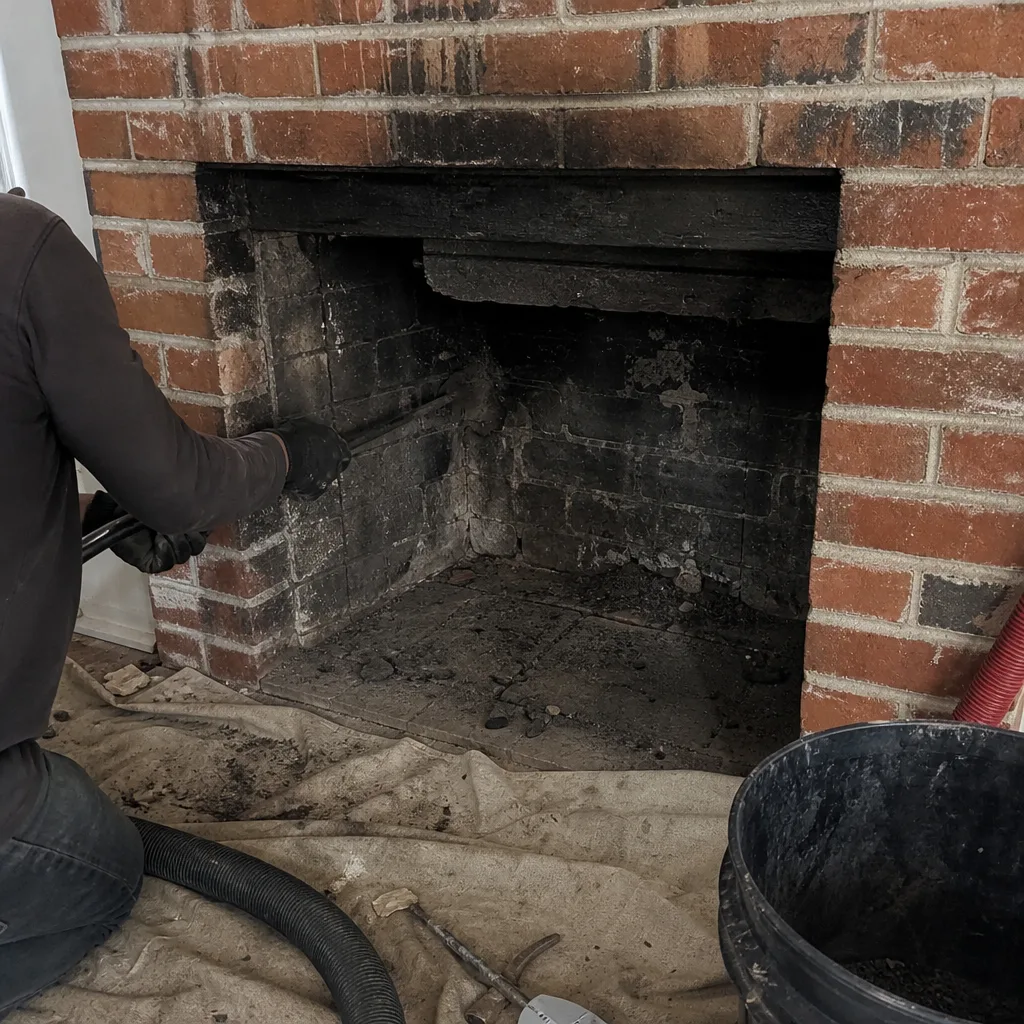 Before
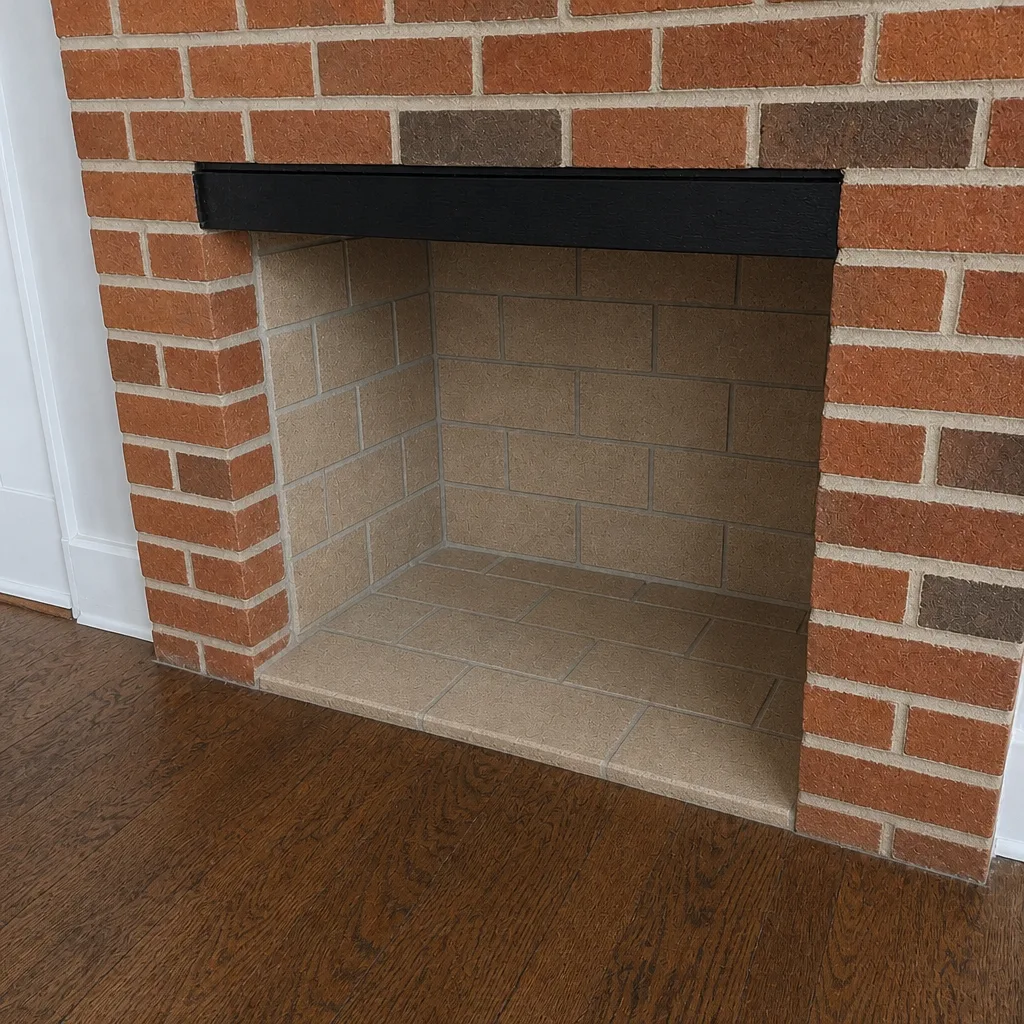 After
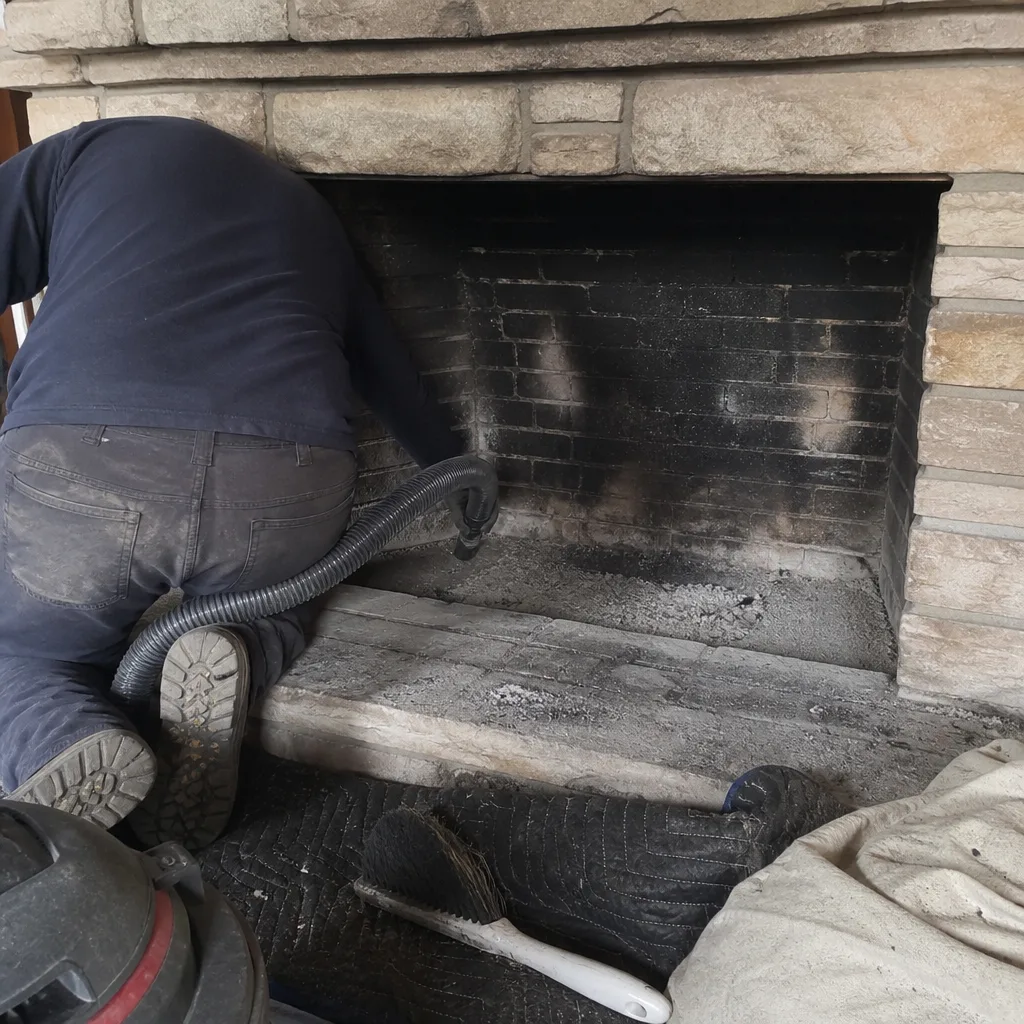 Before
 After
 Before
 After
When to Call a Professional
Some things you can safely watch. Others need a trained eye before the next burn. Call a professional if you find glossy or thick creosote in the flue, if you see a crack you can see from the ground in the crown, if brick faces are flaking off, if the cap is loose or missing, if there’s staining on interior walls or the ceiling near the fireplace, or if the damper won’t seat or operate smoothly. Call before the first burn of the season if you haven’t had a sweep or inspection in a year, and call for any sign of a chimney fire, including a roaring sound, a burning smell, or puffs of smoke back into the room. Chimney Sweep Harvey Park offers free estimates in Harvey Park. Call (866) 947-8503. We answer 24/7, and fast dispatch runs from 7am to 7pm, Sunday through Friday.
Frequently Asked Questions
Once a year for most households that burn wood regularly, and more often if you burn frequently or use unseasoned wood. The quarter-inch creosote rule is the practical threshold: if an inspection finds that much buildup, the flue needs a sweep before the next burn. Yearly inspection alongside sweeping is the baseline, and our technicians have up to 8 years of experience checking for exactly these conditions. Call (866) 947-8503 to schedule an inspection and get an exact quote; estimates are free.
Creosote accumulates in the flue, and a chimney fire can ignite it. Water gets into cracks at the cap and crown, and freeze-thaw cycles in Harvey Park push the damage deeper into the brick and mortar until what was a repair becomes a rebuild. Neither failure announces itself before it happens; both are visible on a checklist long before they become dangerous. Call (866) 947-8503 if you’re overdue for a sweep or inspection; estimates are free.
Only if the inspection shows your current liner is cracked, separated, or otherwise failing. A liner replacement is a significant cost, so we don’t recommend one without camera evidence you can review, and we’ll tell you plainly when a repair can safely wait. When relining is needed, we install professional systems like DuraFlex and Copperfield and can also apply HeatShield ceramic resurfacing for liners that qualify. Call (866) 947-8503 for an exact quote; estimates are free.
You can do the ground-level visual checks and the firebox checks yourself, and we encourage it. What you can’t check yourself is the inside of the flue, the smoke chamber, and the full condition of the liner and flashing. Those need a professional sweep and inspection, ideally once a year. Call (866) 947-8503 to book a visit; estimates are free.
The most common issue we find is water damage that starts at the cap or crown and works down through brick and mortar. It’s driven by the Front Range freeze-thaw cycle, which is why efflorescence, spalling brick, and mortar recession show up so often on Harvey Park chimneys. Most of it starts small enough to catch during a monthly ground-level check. Call (866) 947-8503 for an inspection and an exact quote; estimates are free.
A sweep is routine cleaning; a repair addresses damage the sweep uncovers or that inspection finds. Creosote buildup needs a sweep. Cracks in the crown, spalling brick, a loose cap, a failing damper, or liner damage need repair. The inspection sorts out which and how urgently. Our team works exclusively with professional-grade systems like Gelco and Olympia Chimney for cap and crown work, so the repair is done with specified materials. Call (866) 947-8503 for a free estimate.
Take photos from the ground or in the firebox, date them, and keep them together. Then call for a professional inspection. Documentation helps the technician plan the visit and gives you a baseline to compare against later, so a repair is a confirmed decision rather than a guess. If you see bright creosote deposits or smell a strong creosote odor, don’t burn until the flue is swept. Call (866) 947-8503; estimates are free.
The Bottom Line
Chimney maintenance in Harvey Park comes down to a routine: check the cap, crown, brick, and mortar from the ground each month; check the firebox and damper before each season; photograph what you see; and book a professional sweep and inspection once a year. The climate here does the rest, working on water-damaged masonry through every freeze-thaw cycle. Cap and crown work is the cheapest, highest-value part of the checklist, and it’s the one most often skipped. Everything you find is worth documenting before you call, because evidence makes diagnosis faster and pricing clearer.
Our technicians have up to 8 years of experience, and we sweep, inspect, repair, and reline. Chimneys are all we do. When you’re ready, contact Chimney Sweep Harvey Park at (866) 947-8503 for a free estimate. We answer 24/7, and fast dispatch runs from 7am to 7pm, Sunday through Friday.
Written by the team at Chimney Sweep Harvey Park.