
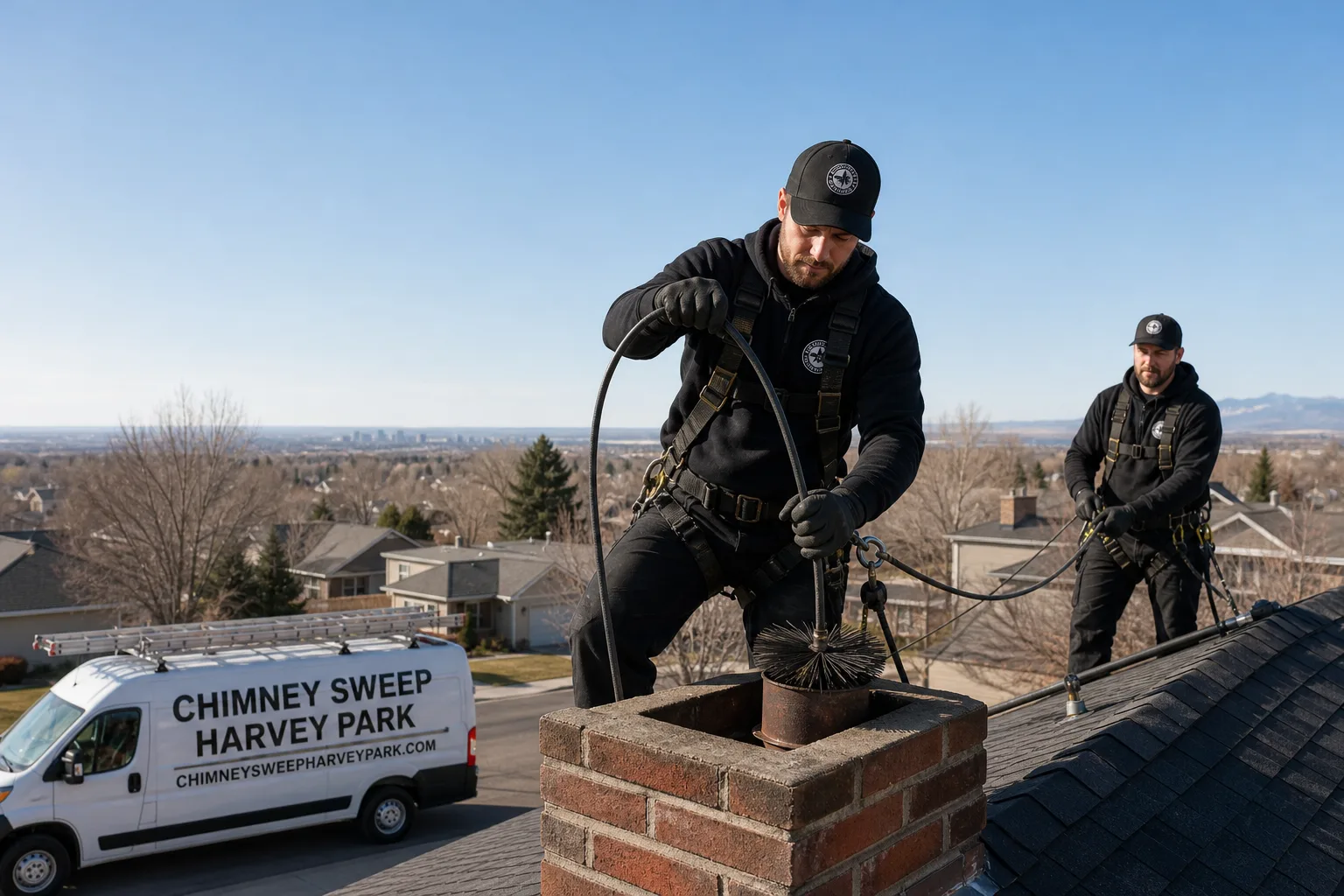
 Sweep & inspection
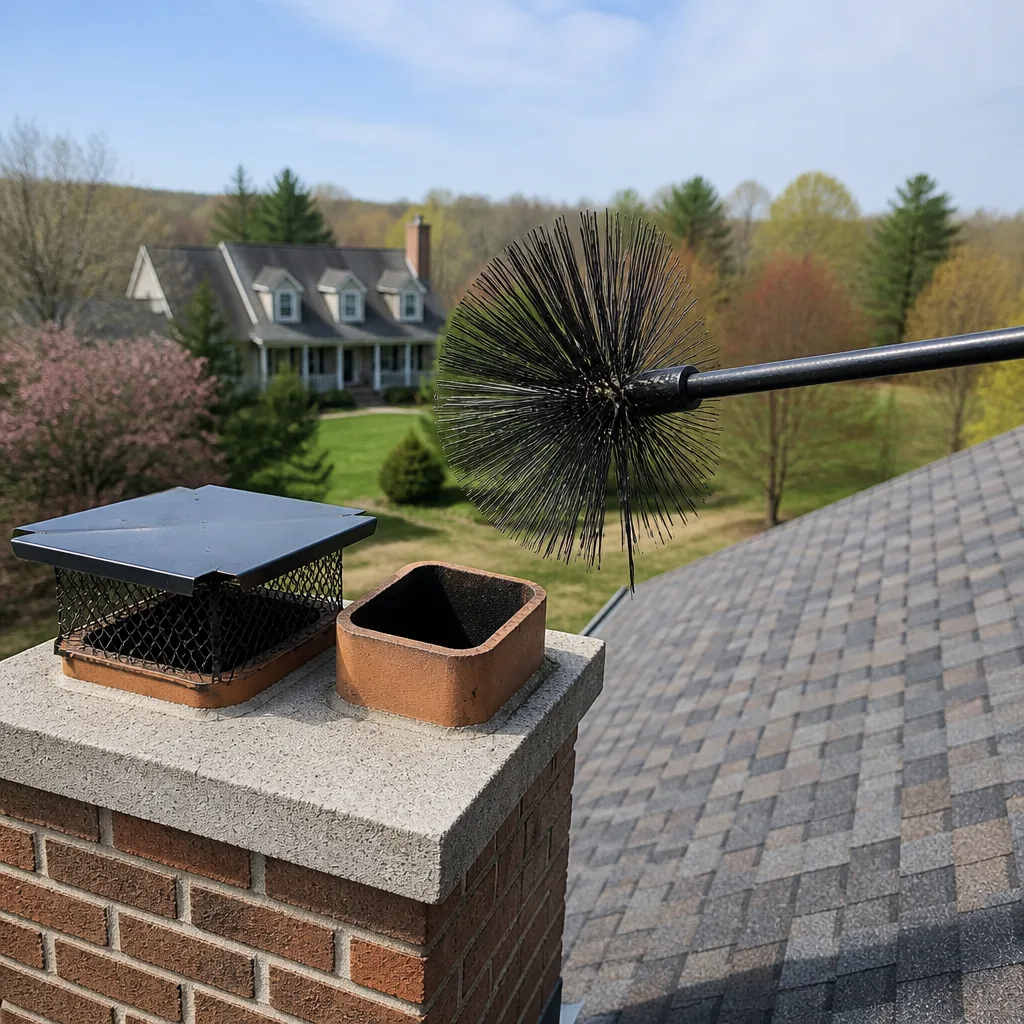
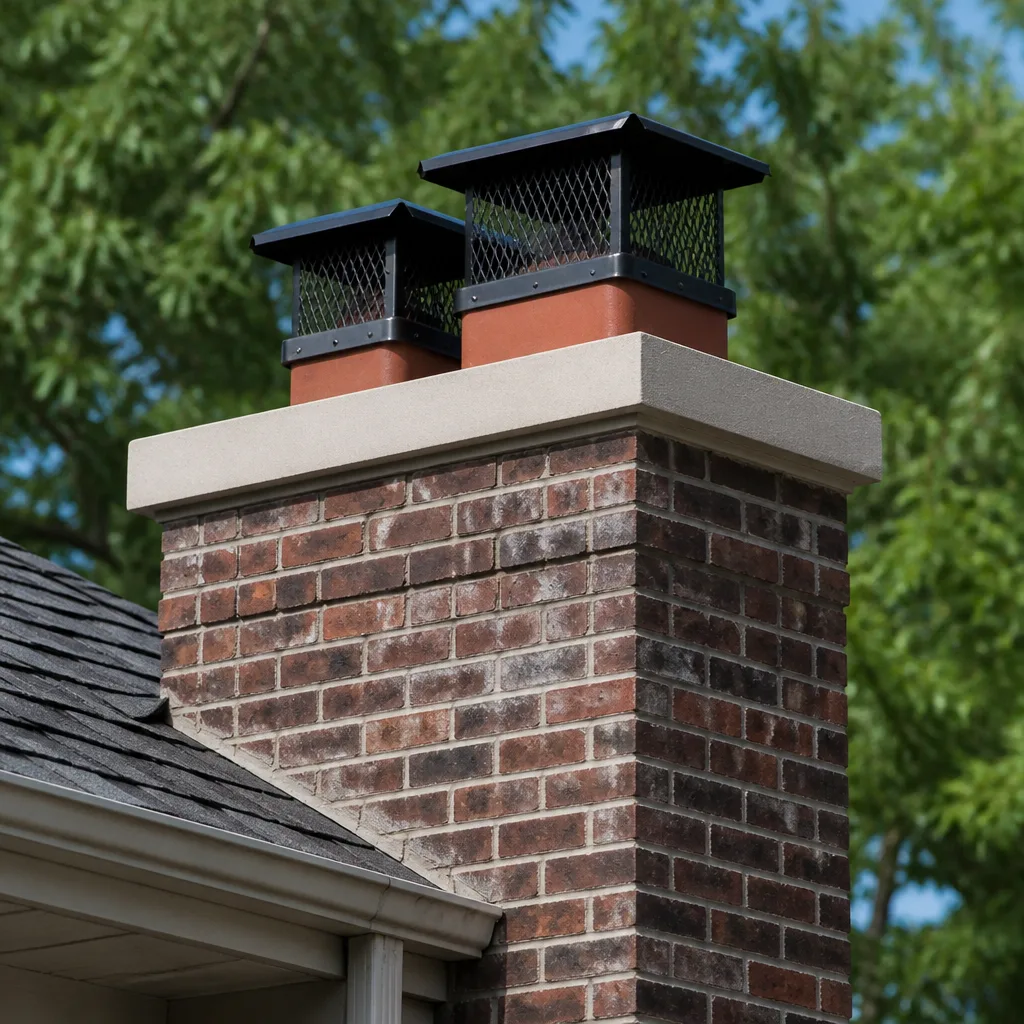 Caps & crowns
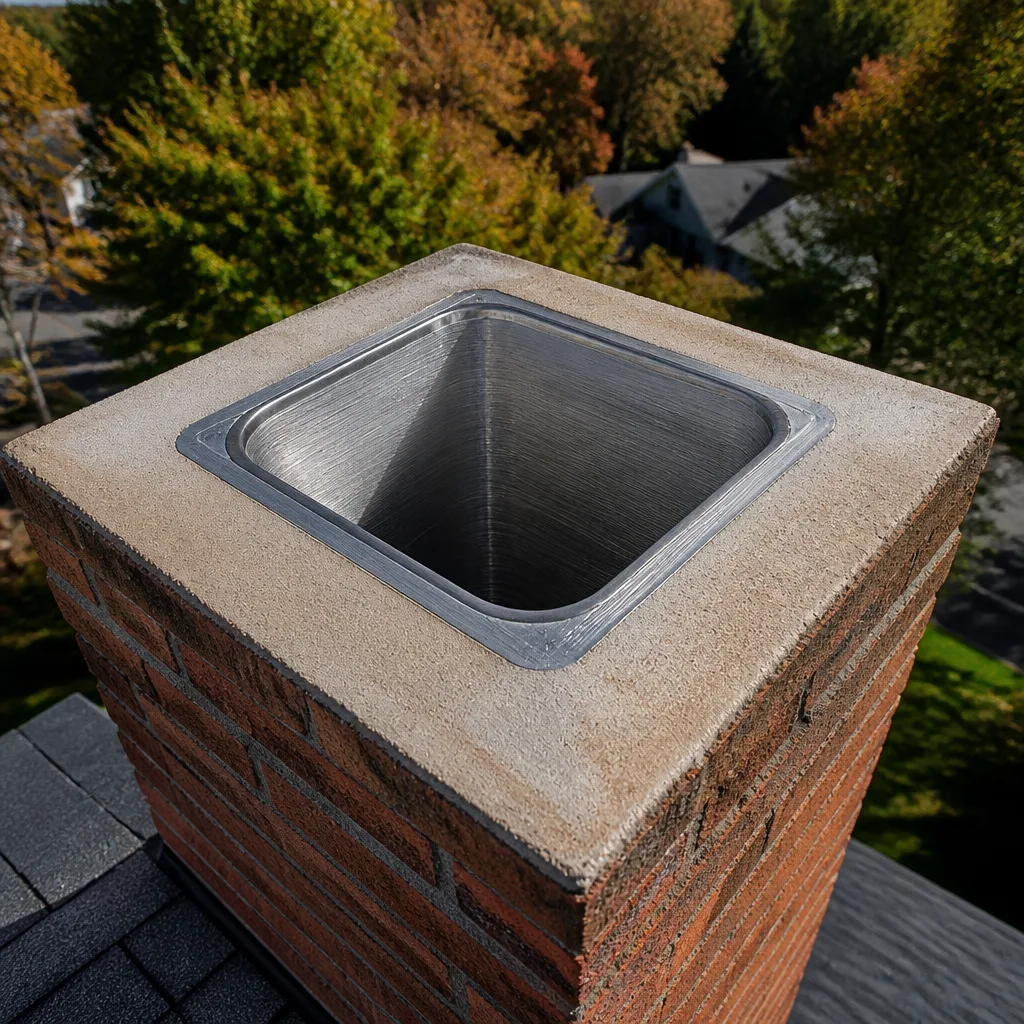 Flue relining
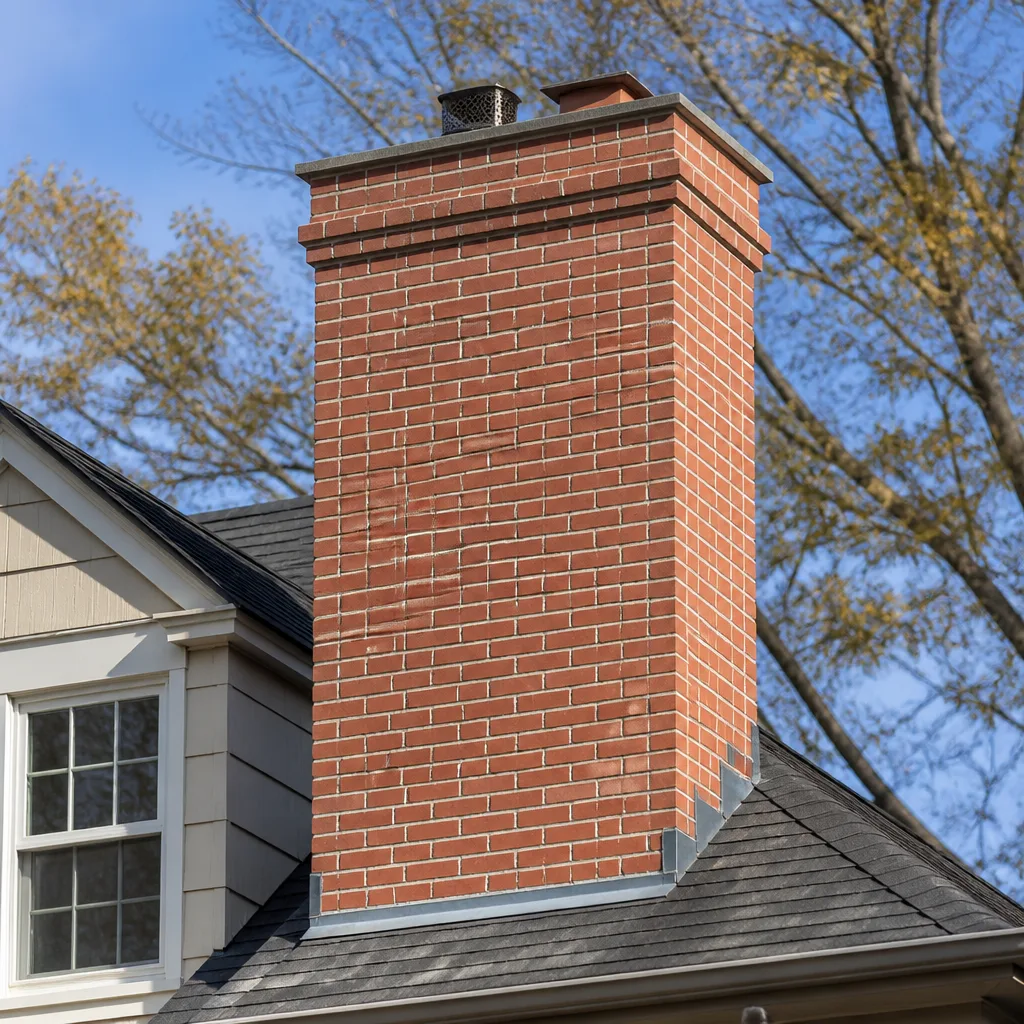 Masonry repair
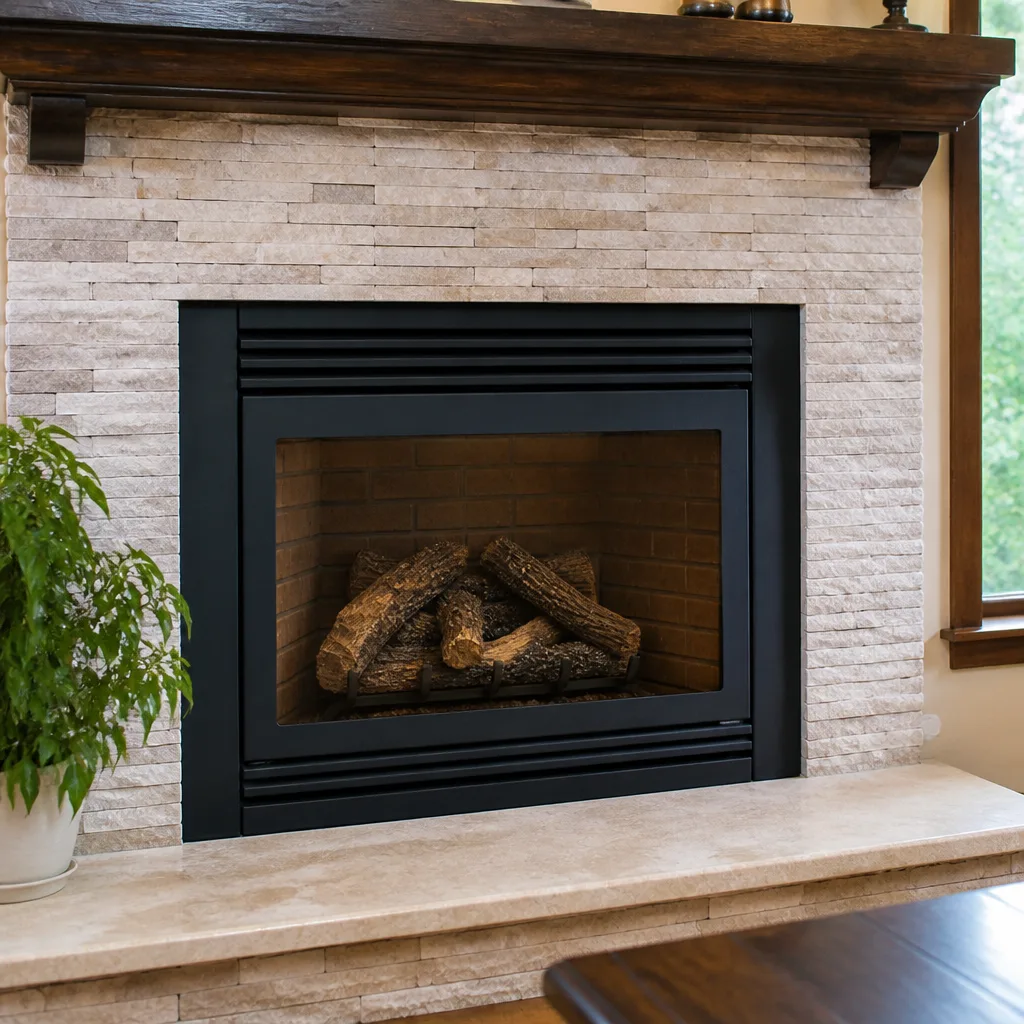 Gas fireplace service
Level 1 sweep and inspection to the NFPA 211 annual standard - flue, crown, cap, and flashing checked and photographed
Chimney sweep logs do not sweep chimneys. They loosen some creosote - which then falls where a brush and vacuum still have to collect it.
Fast, Reliable Chimney Cap & Crown Across Central Park
Chimney caps and crowns in Central Park need a different approach than the ones we see across older Denver. Most homes out here are 2003 – 2020 infill construction on the former Stapleton airport site, which means factory-built fireplaces, metal direct-vent flues, and framed chase enclosures instead of century-old brick. That changes what fails and how we fix it. If your cap is lifting in a downslope wind or your crown is cracking above the chase, call (866) 947-8503. We answer 24/7. Fast dispatch from 7am to 7pm, Sunday through Friday.
Why Central Park Homeowners Call Chimney Sweep Harvey Park for Chimney Cap & Crown
We’re a chimney company, not a general contractor with a ladder in the truck. That matters in a neighborhood where nearly every job involves reading a prefab termination, checking clearance to a neighboring furnace vent, and matching a cap profile to a builder’s original spec. We work exclusively with professional-grade systems like DuraFlex and HeatShield and carry Gelco and Olympia Chimney components for caps and liners, so the fit is right the first time. Our technicians have up to 8 years of experience on Front Range chimneys.
Central Park is dense, and that shapes the work. Tight side yards and close rooflines mean we often can’t walk a full perimeter or set a ladder the way we would on a wide-lot home. Neighboring dryer and furnace vents sit close to chimney terminations, so a draft or clearance check matters as much as the seal itself. We plan for that before we book, not after we’re on the roof.
Styles & brands we work with
- Sweep & inspection
- Caps & crowns
- Flue relining
- Masonry repair
- Gas fireplace service
Our Chimney Cap & Crown Services in Central Park
Cap Installation
A properly installed cap keeps rain, hail, and downdraft debris out of your flue. In Central Park’s high-desert climate, spring hail and wind-driven debris are year-round concerns, so a listed cap with the right spark screen and clearance is a better long-term choice than a lightweight builder-grade unit. We check the termination, measure the flue, and set the cap to clear nearby vents.
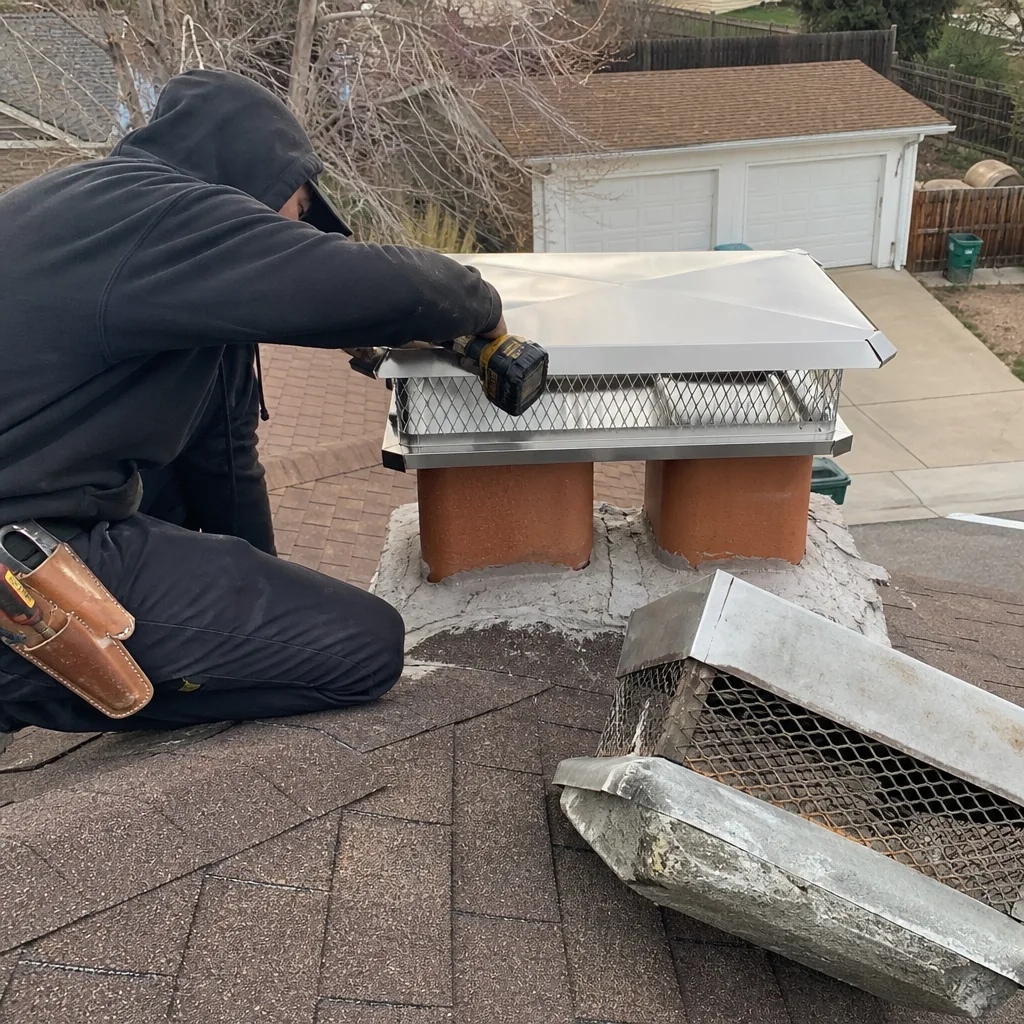
Cap Replacement
Builder-grade chase caps on prefab fireplaces are the most common failure we correct in Central Park. Front Range downslope winds lift their edges and hairline cracks open within a few seasons, and water then tracks into the framed chase above the firebox. Replacing the cap with a listed unit is usually the fix; letting it go is what turns a small repair into siding and framing work.
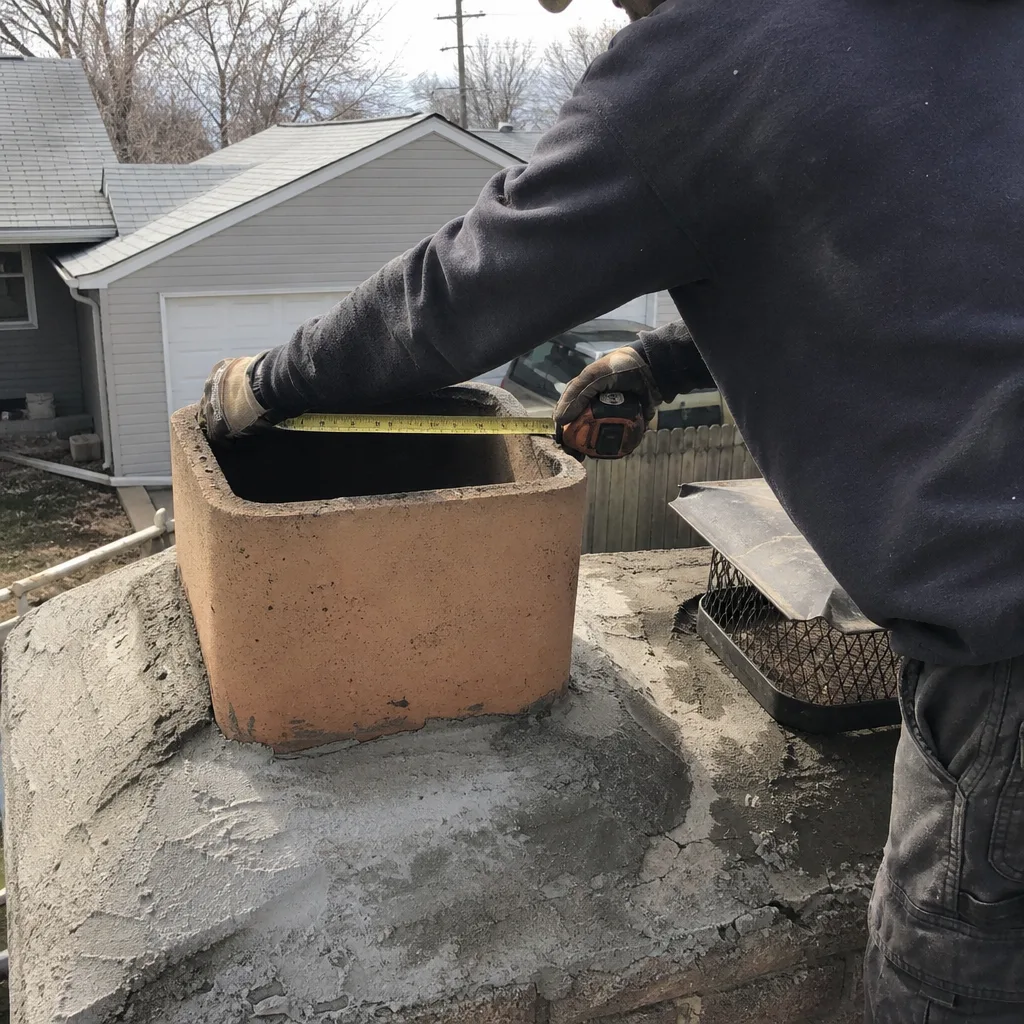
Multi-Flue Cap
Attached townhomes and row houses in Central Park often share or stack flues. If the multi-flue sealing is inadequate, cross-drafting and debris transfer between units can happen, and one neighbor’s smoke can end up in another’s living room. A correct multi-flue cap seals each flue independently while keeping the streetscape profile consistent.
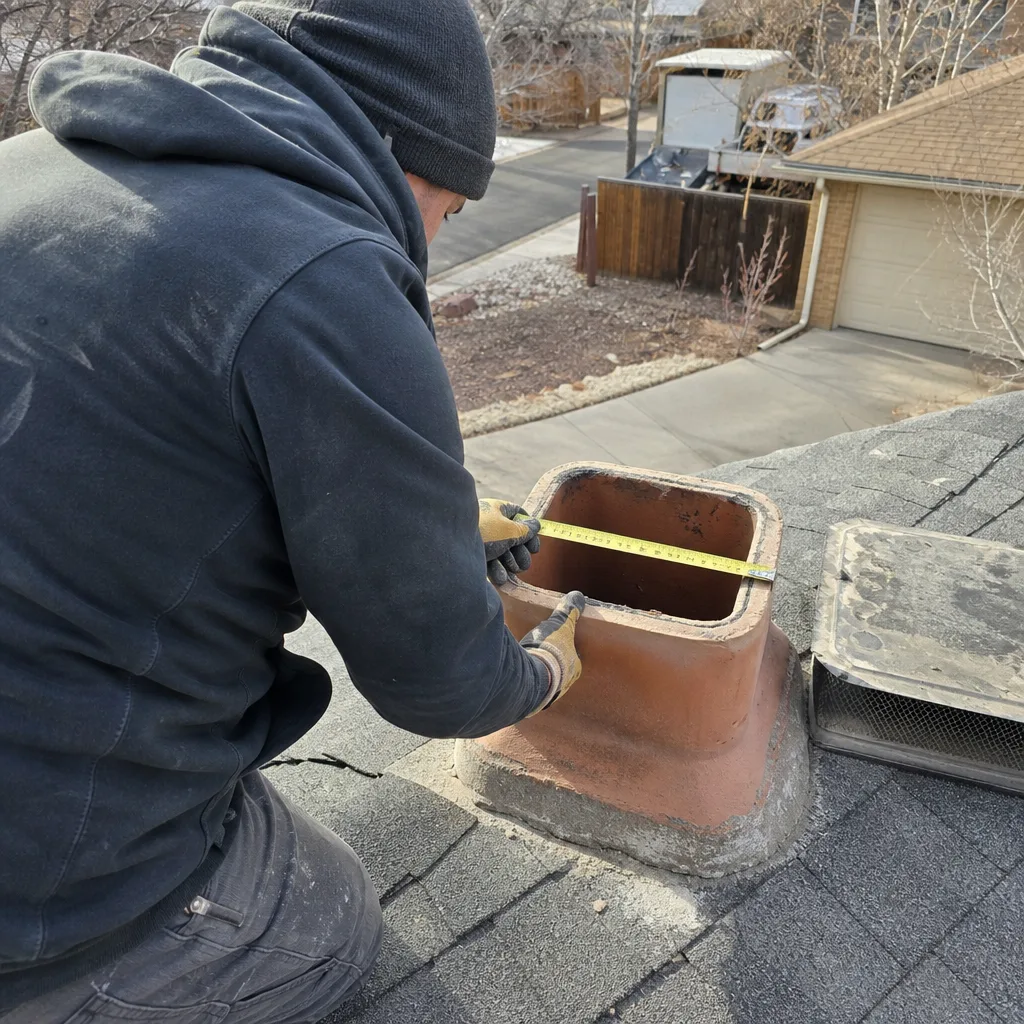
Crown Repair
A chimney crown sheds water away from the chase, and ours crack under freeze-thaw. When the crown is failing, water gets behind the siding and into the framed enclosure. We inspect the crown and the flashing together, reseal where the material is sound, and rebuild where it isn’t. For liner damage underneath, HeatShield ceramic resurfacing is a specialty system most companies never stock.
Crown Coating
When the crown is intact but showing surface wear, a proper coating extends its life without a rebuild. We use it when the inspection shows the crown is structurally sound, and we’ll tell you plainly when coating is enough and when it isn’t. This is our chimney cap & crown team’s read on the whole assembly, not just the top slab.
Trusted Brands We Service in Central Park
We work with DuraFlex, HeatShield, Gelco, Olympia Chimney, Famco, and Copperfield, all professional chimney-industry lines. That means the cap, crown, and liner components we specify are the ones engineered for the job, not hardware-store substitutes. We don’t claim to keep every part in stock on every job, but our supply access lets us order the exact fit quickly and come back with the right piece rather than shimming a close-enough unit. If you’ve got a brand on the roof already, ask us which liner or cap system matches it and we’ll tell you straight.
Common Chimney Cap & Crown Problems We See in Central Park Homes
- Wind-lifted builder-grade chase caps. Downslope wind events along the Front Range lift the edges of the lightweight caps builders install, and once the seal breaks, water enters the framed chase above the firebox.
- HOA design review on cap replacement. Because homes sit in close rows, a cap whose color or profile differs from the original streetscape approval can trigger a compliance review that a non-HOA neighborhood wouldn’t enforce.
- Shared or stacked flues in townhomes. Inadequate multi-flue sealing lets cross-drafting and debris transfer happen between units, and the fix has to coordinate with a neighbor’s termination.
- Crown cracks after freeze-thaw and hail. Hairline cracks in a crown open wider through Colorado’s temperature swings, and by the time they’re visible from the ground, water is already getting behind the siding.
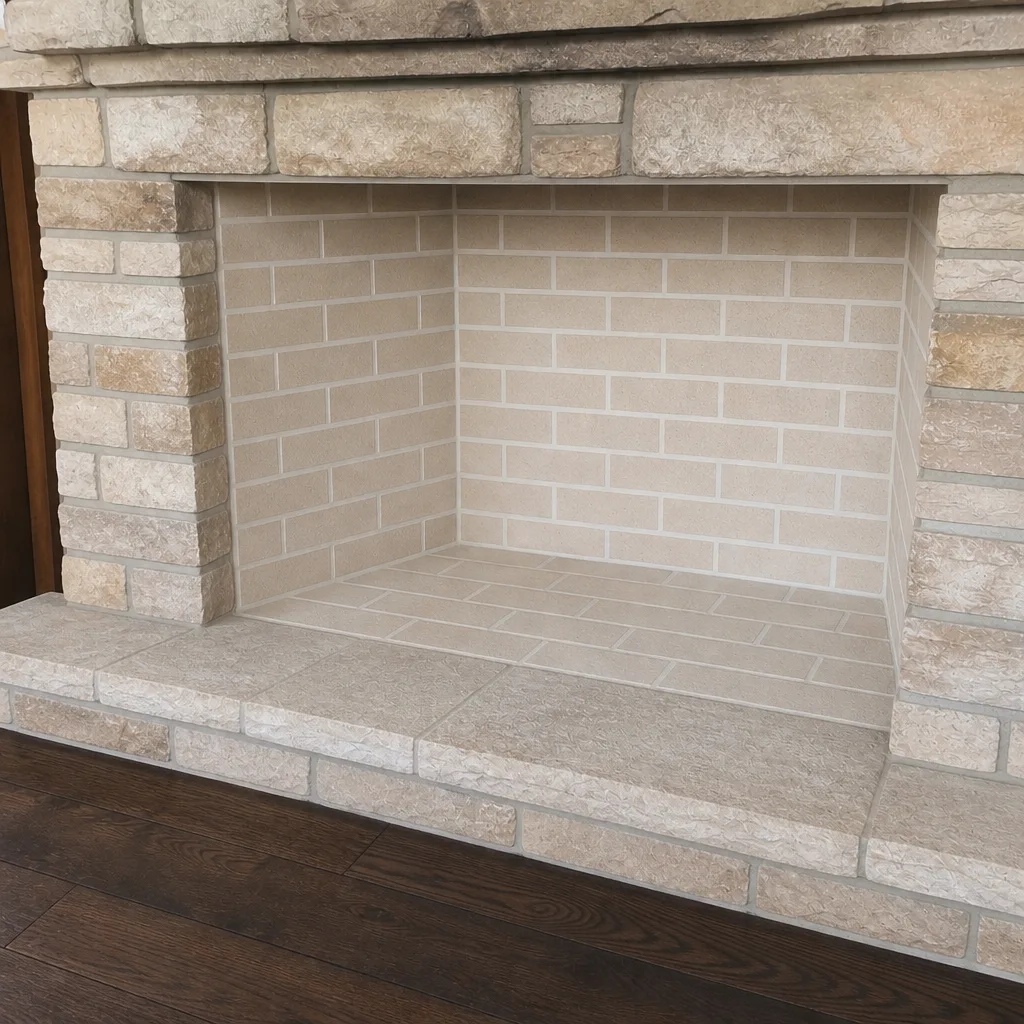
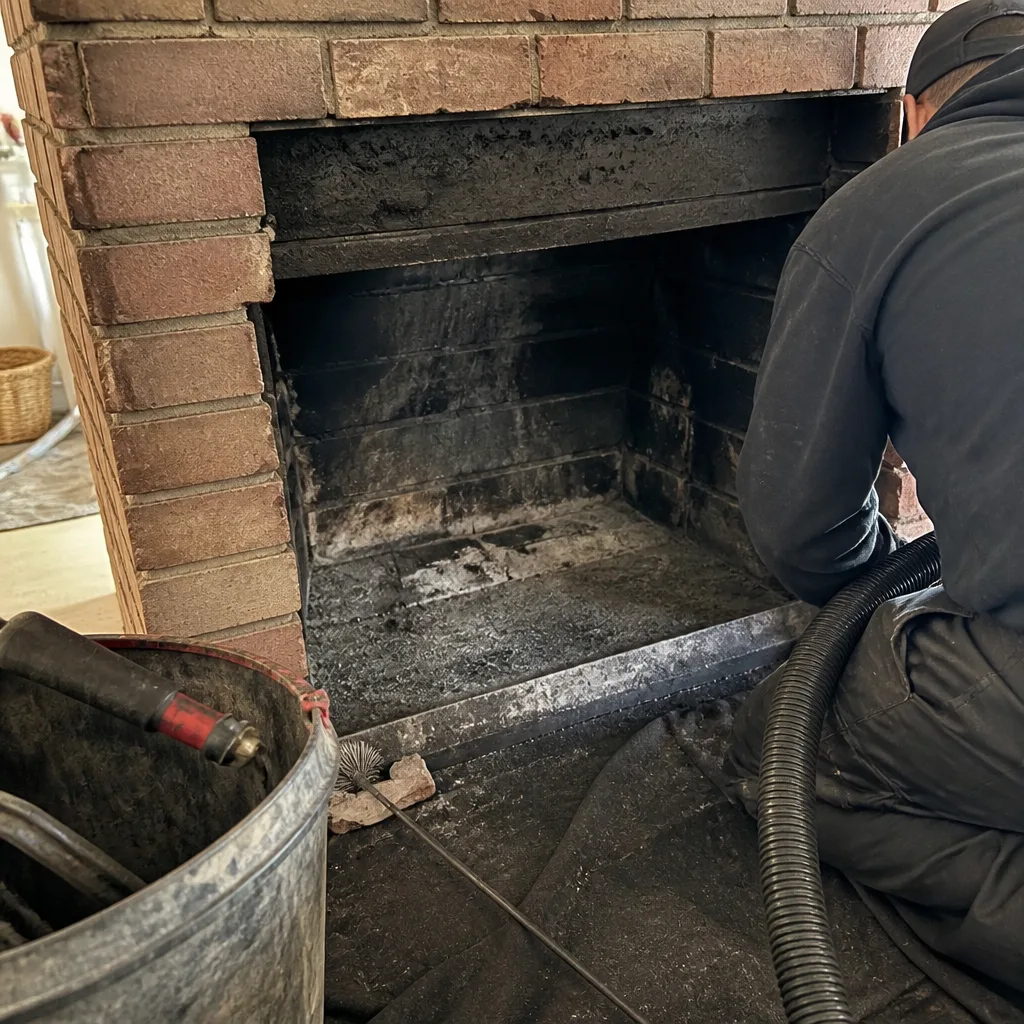
See the difference
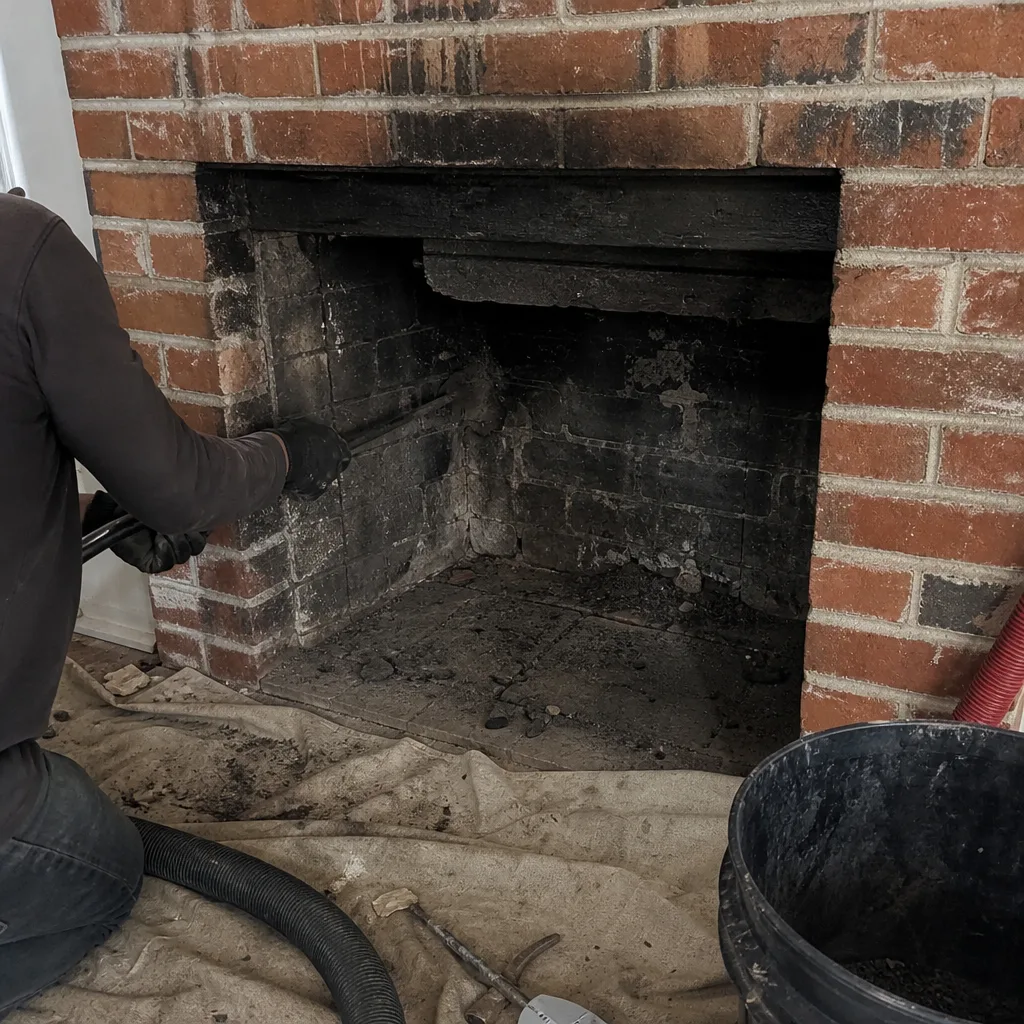 Before
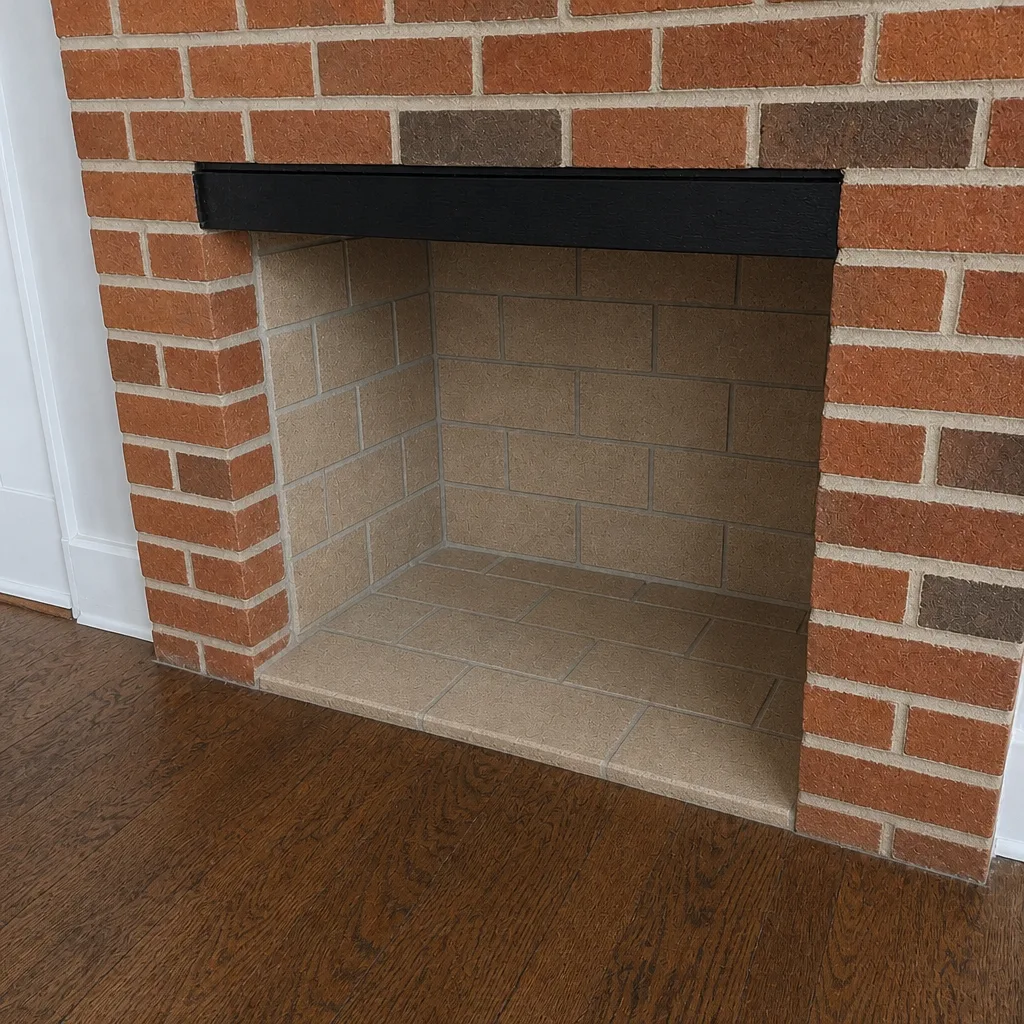 After
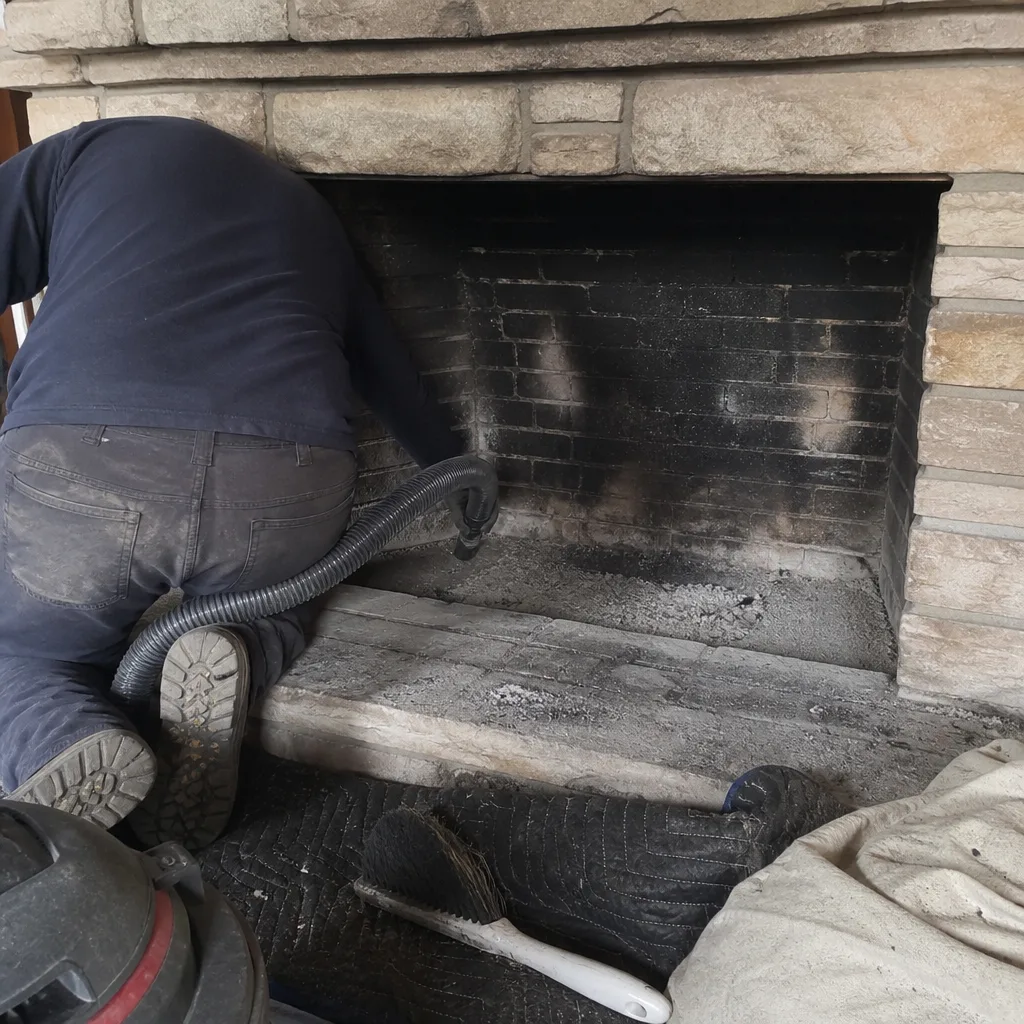 Before
 After
 Before
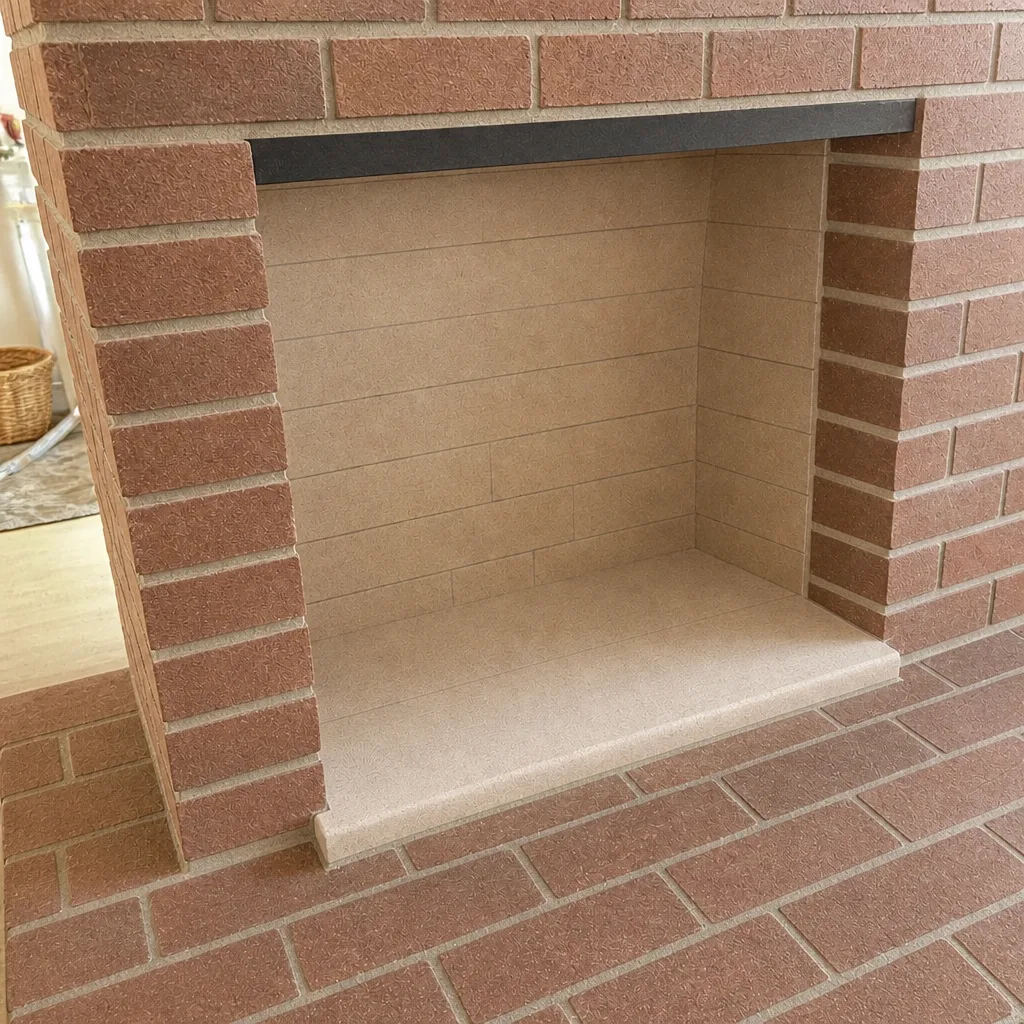 After
Why Central Park Is a Coordination Job, Not Just a Cap Swap
This is the part a generic cap page never covers. Central Park (the old Stapleton site) has HOA design standards that often require a chimney cap to match the home’s original builder-grade color and profile. In a neighborhood of closely spaced homes, any cap change visible from the street can set off a compliance review that a non-HOA city would never enforce. Add shared or stacked flues in attached homes, plus a management company that may need to sign off, and a simple replacement turns into a scheduling and approval job. We plan for that. When the cap arrives, we fit it to the approved profile, seal each flue independently on shared stacks, and coordinate with a management company or neighbor when the termination is shared. None of it happens without camera evidence you can see for yourself.
A typical job here follows a familiar pattern. A factory-built fireplace’s chase cap or crown shows wind-lifted edges or hairline cracks after a hail or downslope wind event, letting water into the framed chase above the firebox. A qualified local technician inspects the termination from the roof or ladder, checks clearances to nearby dryer and furnace vents, and either reseals the crown or installs a listed multi-flue or custom cap that matches the HOA-approved profile, using brands like Gelco or Copperfield for a proper fit.
Pricing for Chimney Cap & Crown in Central Park, CO
Pricing is set per job by a written estimate, and the estimate is free. In Central Park’s market, a typical cap installation runs $250 – $550, and a cap replacement runs $275 – $600. A multi-flue cap for a shared or stacked townhome flue typically runs $450 – $900. Crown repair runs $350 – $850, and crown coating runs $250 – $500. What moves the number: the flue configuration, whether the cap is a stock listed unit or a custom profile to match the HOA spec, and how much of the crown is sound enough to reseal versus rebuild. Nothing is recommended without camera evidence you can see.
We Also Serve Cities Near Central Park
We also work in Central Park and the surrounding Denver neighborhoods. If a cap or crown job takes us into Capitol Hill, Sloan Lake, Washington Park, or Baker, we bring the same read on prefab terminations, shared flues, and crown repair. Call (866) 947-8503 to book an estimate.
Serving Central Park, CO – Our Local Coverage Area
We serve Central Park and nearby communities. Use the map below to see the area we cover. If you’re nearby, we can almost certainly help.
FAQs – Chimney Cap & Crown in Central Park
Possibly, yes. Many Central Park HOAs require a cap to match the original builder-grade color and profile, and because homes sit in close rows, any change visible from the street can trigger a design review. We can supply a listed cap that matches the approved profile to keep the review simple. Call (866) 947-8503 for an exact quote – estimates are free.
Because the builder-grade chase caps on most prefab setups aren’t built for Front Range downslope wind and hail. Their lightweight edges lift, hairline cracks open, and water gets into the framed chase. A listed replacement cap with the right clearance to nearby vents holds up far better. Call (866) 947-8503 to book an inspection.
Often yes, but the multi-flue sealing has to be done right or cross-drafting and debris transfer can happen between units. We inspect the shared stack, seal each flue independently, and coordinate with a management company or neighbor when the termination is shared. Call (866) 947-8503 to talk through your setup.
It depends on whether the crown is structurally sound. Hairline surface wear can take a coating, but a cracked or crumbling crown needs repair before water gets behind the siding. We’ll show you the camera evidence and say plainly which one you need. Call (866) 947-8503 for an exact quote – estimates are free.
Yes. A lifted or cracked cap changes the airflow over the termination, and when nearby dryer or furnace vents are close, draft and clearance matter as much as the flue cleaning itself. A correct cap restores the draw and keeps debris out. Call (866) 947-8503 to book an inspection.
Whether you’re in a detached house off a winding Central Park street or a townhome with a shared stacked flue, call (866) 947-8503 for a free estimate. We answer 24/7. Fast dispatch from 7am to 7pm, Sunday through Friday, closed Saturday. One company handles your inspection, cap, crown, and liner work from start to finish, and nothing gets recommended without evidence you can see yourself.
Written by the team at Chimney Sweep Harvey Park.