
Last updated November 23, 2026
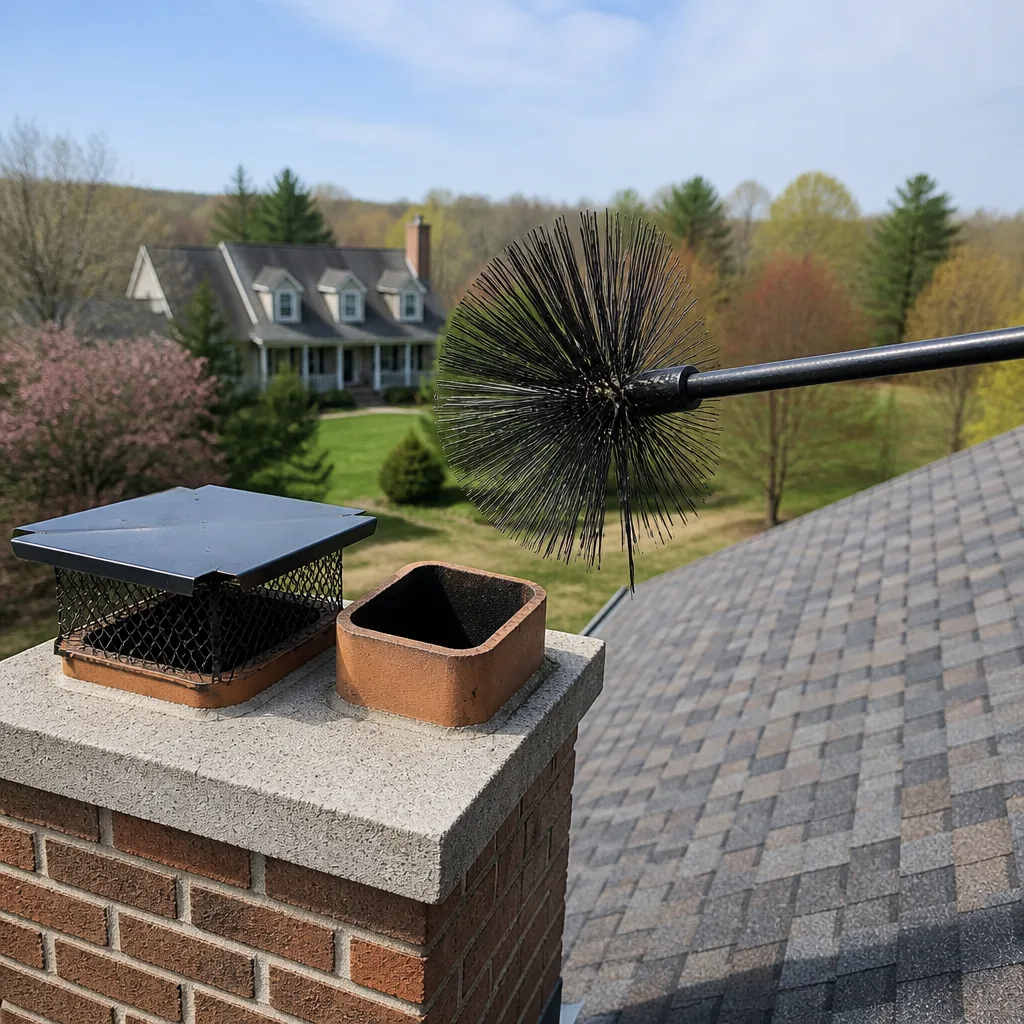 Sweep & inspection
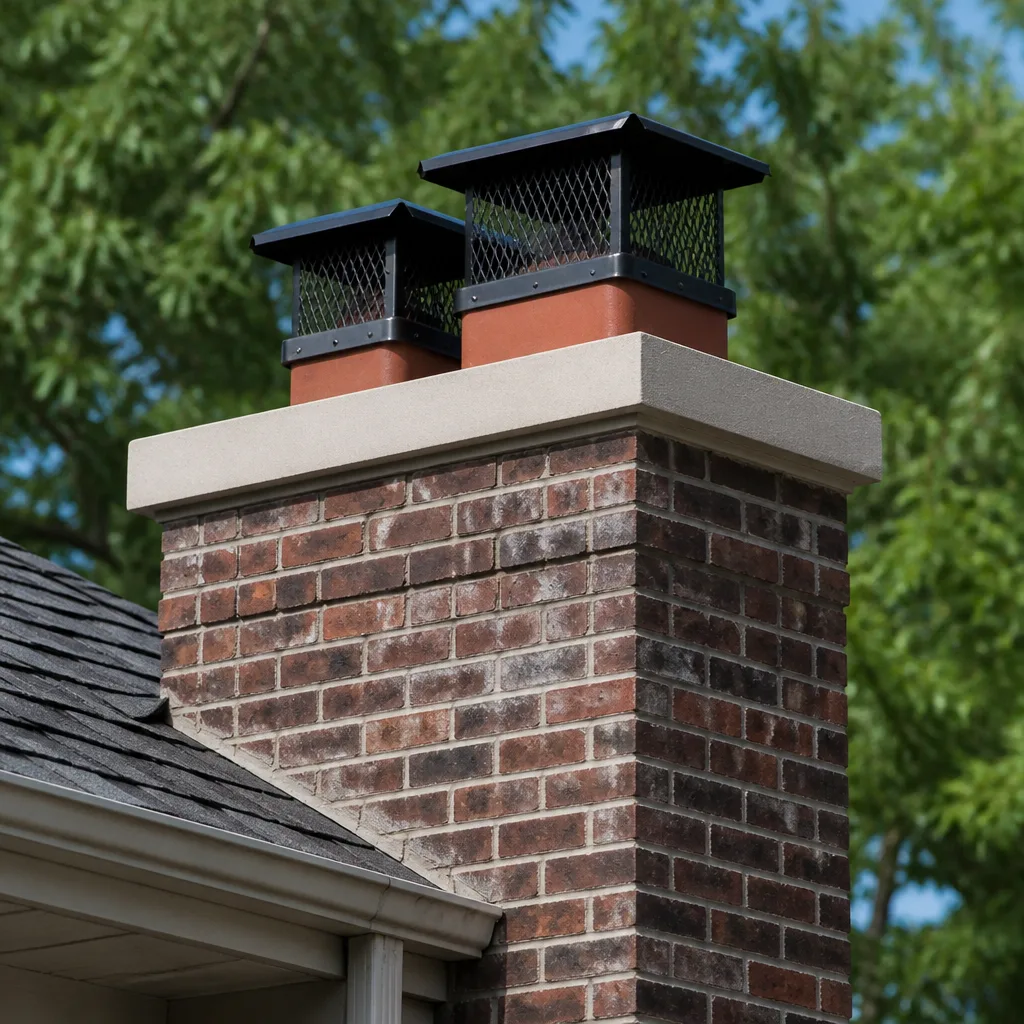 Caps & crowns
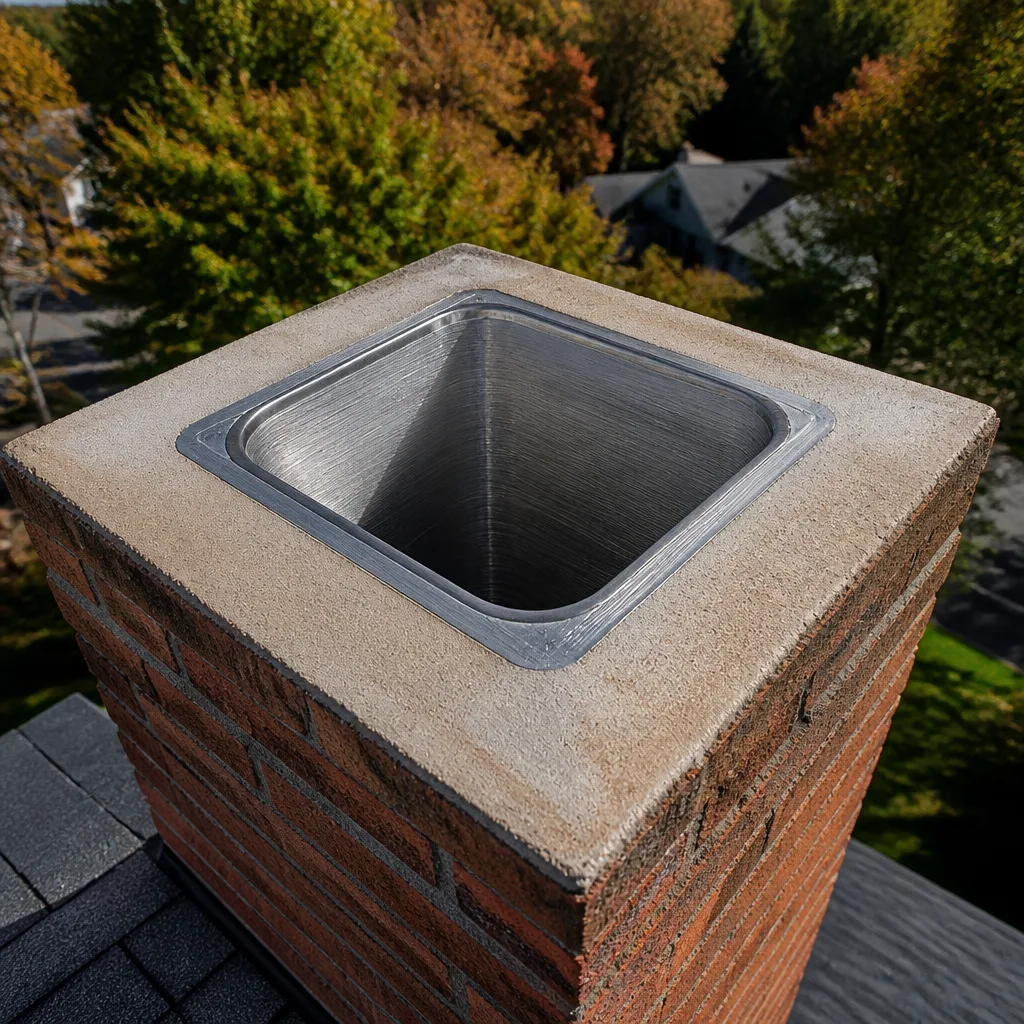 Flue relining
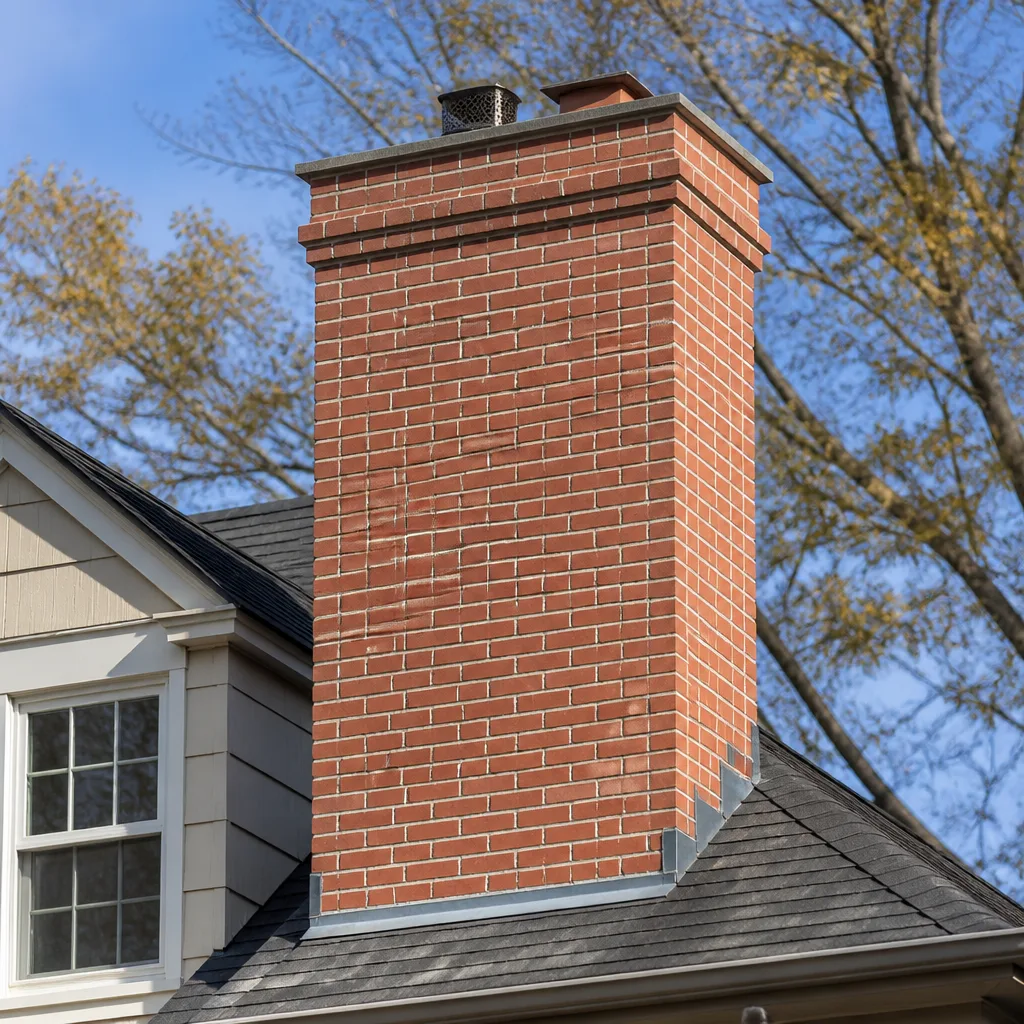 Masonry repair
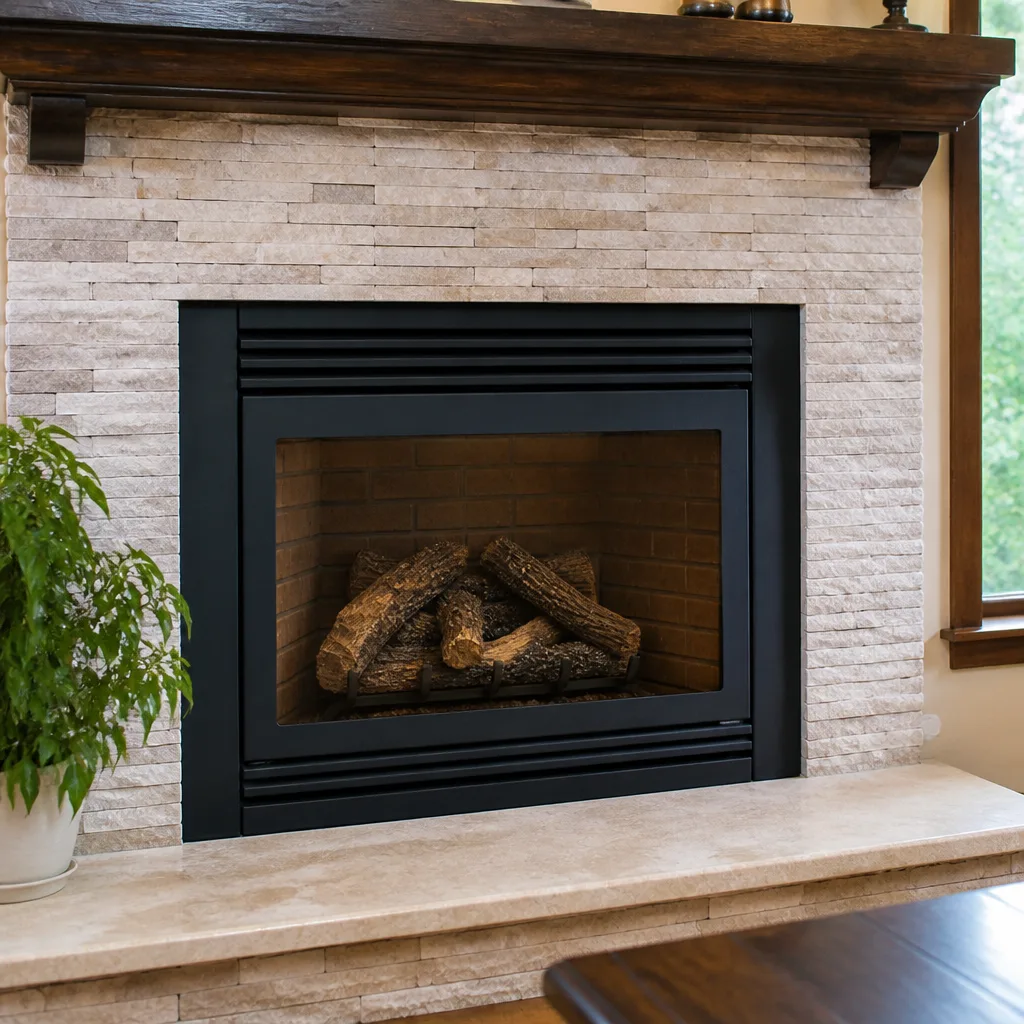 Gas fireplace service
Level 1 sweep and inspection to the NFPA 211 annual standard - flue, crown, cap, and flashing checked and photographed
Chimney sweep logs do not sweep chimneys. They loosen some creosote - which then falls where a brush and vacuum still have to collect it.
Chimney Cleaning Warning Signs: A Harvey Park Homeowner’s Reference Guide
A white stain on the exterior brick isn’t a cosmetic flaw. It’s the chimney’s way of showing you that water is moving through the masonry in a direction it shouldn’t be, and it usually means the flashing or crown has already failed. Most homeowners in Harvey Park read that chalky bloom as weather wear, then wait a season or two before calling anyone. By then the repair has grown from a crown reseal into rebuilt masonry. The same misreading happens with smoke that rolls back into the room, a faint sour smell in July, or a fire that suddenly burns sluggish. Each of those symptoms is a message. This guide translates what your chimney is actually telling you through what you can see, smell, hear, and feel, and it tells you which messages mean “call now” and which mean “watch until your next service.”
Quick Answer
The warning signs that warrant a chimney cleaning and inspection in Harvey Park are: white or brown staining on exterior brick, flaking mortar or spalling brick faces, a cracked or crumbling crown, smoke that spills into the room, a sour or smoky odor when the fireplace is cold, and visible creosote buildup inside the firebox or flue. Any of those means it’s time to book a sweep. Signs that need action within days rather than weeks include smoke backing up into living space, a strong smell of gas (for gas appliances), soot flakes falling into the firebox, or water actively entering the chimney.
Styles & brands we work with
- Sweep & inspection
- Caps & crowns
- Flue relining
- Masonry repair
- Gas fireplace service
Table of Contents
- What exterior and interior visual signs actually indicate
- Odor as a diagnostic tool: what each smell tells you
- Smoke behavior and draft problems
- Sounds and airflow changes you shouldn’t ignore
- Which signs are urgent and which can wait
- How to report warning signs so we bring the right equipment
- Why Harvey Park chimneys show these signs the way they do
- The annual rhythm that keeps warning signs from becoming repairs
What Exterior and Interior Visual Signs Actually Indicate
Visual symptoms are the easiest to spot and the easiest to misunderstand. Homeowners tend to grade them by how bad they look rather than by what they mean. A chimney can look nearly fine on the outside while the inside is deteriorating, and it can look alarming on the outside while the flue is sound. The useful skill is knowing which surface problem points to which structural issue.
Efflorescence is the white, powdery bloom you sometimes see on brick. It’s mineral salt pushed to the surface as water moves through the masonry and evaporates. The stain itself is harmless. What it tells you is that water is traveling through the brick and that it has somewhere to exit. If it’s showing up on the exterior face, the likely entry points are a failed crown, deteriorated flashing at the roofline, or open mortar joints. Left alone, the cycle of wetting and drying keeps weakening the brick.
Spalling is the next stage: brick faces flaking, peeling, or popping off in layers. The brick is saturated and the freeze-thaw cycle in a Colorado Front Range winter is breaking it apart from the outside in. Spalling is not cosmetic. It means the masonry is actively losing material.
Staining in brown, rust, or dark streaks usually points to water carrying dissolved material down the face of the chimney, often from a crown that has cracked or a cap that’s missing or damaged. Dark staining around the top courses is one of the clearest signals that the protective components at the top have failed.
Mortar recession means the joints between bricks have worn back, leaving the brick edges standing proud. Rain and freeze-thaw cycles do this over time. When mortar recedes far enough, the chimney loses structural integrity and tuckpointing becomes necessary before larger repairs.
Crown cracking is the one to take seriously. The crown is the concrete cap on top of the chimney that sheds water away from the masonry. Once it cracks, water runs down into the chimney body instead of off the sides. A hairline crack may be a monitoring situation. A crown with visible separation from the flue, or spiderwebbing that lets water pool, is a repair. We handle this as part of our chimney cap & crown work, and it’s one of the most cost-effective fixes in the trade because it prevents the expensive damage downstream.
If you want a proper read on the inside, not just the exterior, our chimney sweep service includes a full inspection of the flue.
Odor as a Diagnostic Tool: What Each Smell Tells You
Your nose is one of the most underrated chimney diagnostic tools. Smells change with the condition of the flue, the stage of creosote, and whether something has moved into the chimney that shouldn’t be there. Here’s the plain-English breakdown.
- Smoky, campfire odor when the fireplace is cold. This is the classic creosote smell. Creosote is a byproduct of incomplete combustion, and it comes in stages ranging from light soot to a glazed, tar-like coating. A persistent cold-fireplace smell usually means there’s enough buildup to warrant a sweep, and the stronger it is, the more likely you’re dealing with higher-stage creosote that needs proper removal rather than a brush-down.
- Sour, acrid, or ammonia-like smell. Often points to moisture trapped in the flue or firebox, especially if it appeared after a heavy rain or snowmelt. Moisture mixed with creosote produces a sharper, more chemical odor than dry creosote. Get it looked at. Moisture in a flue accelerates deterioration of the liner and masonry.
- Animal smell (urine, musk, nesting material). Birds, squirrels, and raccoons find open chimneys appealing. An uncapped flue is essentially an open door. If you smell animal activity, stop using the fireplace and get the flue inspected and cleared. A properly installed cap solves this going forward.
- Gas smell near a gas-log fireplace or insert. This is a stop-and-call situation. Don’t use the appliance, and treat any gas odor as urgent.
- Musty, damp smell in the room around the fireplace. Suggests water intrusion into the chimney chase or firebox. Often tied to a failed crown or flashing issue, and worth investigating alongside the exterior signs above.
If any of these smells have been present for more than a few weeks, especially in the warmer months when you’re not using the fireplace, that’s a signal that something in the flue is changing. Book a service before burning season so you’re not troubleshooting a smell in the middle of a cold snap.
Smoke Behavior and Draft Problems
A chimney that once drew well and now spills smoke is telling you something concrete. Draft is the chimney’s job: it pulls combustion gases up and out. When draft weakens, smoke backs into the room, and that smoke carries carbon monoxide and particulates. This is not something to live with while you figure it out.
Common causes of poor draft, in order of how often we see them:
- Blockage in the flue. Creosote buildup, a bird nest, or a collapsed liner section narrows the flue and chokes the draft. A sweep and camera inspection finds this quickly.
- A cold flue. In a cold Harvey Park winter, an exterior chimney can take a while to warm up enough to establish draft. If smoke only backs up for the first few minutes and then settles, this may be the cause. If it keeps happening, it’s more than a cold-flue issue.
- Negative pressure in the house. Modern homes are tightly sealed. Bathroom fans, kitchen exhaust, and even a furnace can pull air out of the house faster than the chimney can replace it, causing smoke to reverse. Cracking a window near the fireplace during a burn is a diagnostic trick, not a fix.
- Oversized flue for the appliance. A flue that’s too large for the fireplace or insert won’t stay warm enough to draft consistently. This is a design issue, and relining with a properly sized system (we stock DuraFlex and Copperfield systems) usually corrects it.
- Damaged liner or damper. A cracked liner or a damper that no longer opens fully disrupts airflow. Both are inspection findings, not things you can assess from the living room.
Smoke spilling into the room means stop burning and get the chimney inspected. That’s not a sign you can monitor and address later.
Sounds and Airflow Changes You Shouldn’t Ignore
Chimneys are quiet when they’re working properly. When the sound changes, the airflow has changed, and that’s usually a component issue.
- Whistling or a high-pitched tone while burning. Often a draft problem, but can also indicate a damper that’s not fully open or a partial flue restriction. If it’s new, it’s worth a look.
- Rattling or scraping inside the flue. Debris in the flue, a loose damper assembly, or an animal. Stop burning and get it inspected.
- A hollow, echoing sound when the fire is burning. Sometimes a sign of a deteriorated liner or a flue that’s larger than it should be.
- Airflow that’s weak or uneven. If the fire burns sluggishly, smokes when you add wood, or the smoke doesn’t clear the firebox quickly, the airflow path is compromised. A camera inspection reveals whether it’s buildup, a blockage, or structural.
- Drafts coming down the chimney when the fireplace is not in use. This can indicate a damper that’s stuck open or failed, or a flue that’s not sealing properly. Cold air entering the house is also a sign of heat loss.
Most of these require a physical inspection to diagnose. Our Chimney Sweep Harvey Park team uses a camera and a thorough internal check to pin down the actual cause rather than guess.
Which Signs Are Urgent and Which Can Wait
Not every symptom means “call today,” but some definitely do. Here’s the plain-spoken dividing line we use.
Call now (within days):
- Smoke backing into the living space whenever you burn.
- Any gas smell near a gas appliance.
- Soot flakes or debris falling into the firebox.
- Visible water entering the chimney or firebox, or a strong damp smell.
- Animal activity inside the chimney.
- A chimney fire has occurred (even if it’s out) – this always requires an inspection before the next fire.
Monitor and address at your next scheduled service:
- Faint efflorescence on the exterior brick with no other symptoms.
- Minor hairline cracking in the crown that isn’t visibly separating.
- A light creosote smell when the fireplace is cold, if you’ve used it heavily this season.
- Occasional light hazing or staining on the firebox glass from use.
- Small amounts of soot in the firebox that wipe clean.
The judgment call is whether the symptom is getting worse. A hairline crown crack that has doubled in size since last year is not a monitor situation anymore. A faint white stain that hasn’t changed in two or three seasons is unlikely to become a structural emergency between annual service visits. If you’re unsure, describe what you’re seeing to a sweep and let them tell you whether it needs attention now or next time. That’s what free estimates are for.
How to Report Warning Signs So We Bring the Right Equipment
A vague “my chimney smells weird” call usually means the sweep arrives without knowing what they’re walking into. They might not have a camera, a HeatShield resurfacing kit, or the right liner system on the vehicle. Here’s how to describe what you’re seeing in a way that gets the right response on the first visit.
- Name the location and the symptom. “White powder on the exterior brick, south side, about halfway up” tells us more than “my chimney looks bad.” Specific location helps us plan for crown, flashing, or mortar issues.
- Say when it appeared. “After this winter” tells us it’s likely tied to freeze-thaw or snowmelt. “Since the last time we burned” suggests a creosote or draft issue. Timing narrows the cause.
- Describe the smell in plain terms. Smoky, sour, musty, urine-like, or gas. Each points to a different investigation path.
- Note what changed with the fire. Backdrafting, sluggish burn, smoke rolling out, unusual smells during burning. This is a draft or flue restriction conversation.
- Mention the last service date and what was done. If you were swept a year ago and now have creosote smell, that tells us something new is happening. If it’s been several seasons, it’s buildup.
- Send a photo if you can. Even a phone shot of the exterior top helps us plan for a cap and crown visit versus a sweep. Photos of the firebox, crown, and brick face give us a clearer read than any verbal description.
When we know what we’re walking into, we can bring the right materials: a cam-era for the flue, DuraFlex or Copperfield liner sections for a relining estimate, or HeatShield resurfacing compound for a damaged existing liner that can be repaired rather than replaced. That’s not something every chimney company can say, since most don’t stock or install these systems.
Why Harvey Park Chimneys Show These Signs the Way They Do
Harvey Park is a mid-century Denver neighborhood, and the chimney stock reflects that. Many homes were built in the 1950s and 1960s, when brick chimneys with clay tile liners were standard. Those chimneys have done a lot of seasons. The masonry is original on many of them, and the combination of decades of freeze-thaw cycles with the Front Range’s dry air and occasional heavy snow has a predictable effect on mortar joints, crowns, and brick faces.
The local climate matters. Colorado’s Front Range swings from warm daytime temperatures to sub-freezing nights even in the colder months. Masonry that absorbs moisture during the day freezes overnight and expands, then thaws the next day. That cycle is relentless on brick and mortar. It’s why spalling and mortar recession show up on Harvey Park chimneys earlier than you’d expect from general weathering. The crown is the first defense against this, and a crown that’s compromised lets water into the system season after season.
The housing style also shapes airflow. Harvey Park homes are modest in scale, often with an interior chimney or one integrated into the exterior wall, and the fireplace is typically a wood-burning masonry unit rather than a modern insert. Draft issues in these homes often trace back to the original flue being sized for a particular appliance and later short-circuited by a gas insert, a tighter house envelope after weatherization, or a liner section that’s deteriorated. The signs themselves are universal, but the likely causes lean toward age-related masonry wear and draft changes from later modifications.
Harvey Park also sits close enough to the city core that many homes have been renovated. A renovation that adds insulation, new windows, or a whole-house exhaust fan can change how the chimney drafts. If your fireplace worked fine for years and then started smoking after a remodel, that’s the connection. Worth mentioning when you call.
The Annual Rhythm That Keeps Warning Signs From Becoming Repairs
The most reliable way to keep a chimney from surprising you is to look at it on a schedule. Warning signs are easier to act on when you catch them early, and the annual rhythm is simple.
Once a year, before burning season: book a sweep and inspection. A professional sweep removes creosote, inspects the flue with a camera, and checks the crown, cap, flashing, and visible masonry. The inspection catches what you can’t see from the ground and what the fire doesn’t tell you until it’s draft-related.
After each winter: walk outside and look at the chimney. White stains, spalling brick, cracks in the crown, or missing cap pieces are all visible from the ground. If something looks new since the last time you looked, make a note and mention it at the next service or call sooner if it’s on the urgent list.
After a chimney fire: inspection, without exception. Even a small, self-extinguished chimney fire can damage the liner and the masonry, and the damage isn’t always visible. A camera inspection reveals what needs repair, and the answer may be a HeatShield resurfacing of an intact-but-damaged flue rather than a full reline.
Before any big weather event: a quick glance at the cap and crown. An intact cap keeps animals, rain, and debris out. An intact crown sheds water off the masonry. Those are the two components that do the most preventive work, and they’re the ones we specialize in because they prevent the problems that lead to the most expensive rebuilds.
If a warning sign shows up between service visits, describe it to us and we’ll tell you whether it’s a monitor or a call-now. We also handle fireplace repair if something inside the firebox has failed.
Common Mistakes to Avoid
- Treating efflorescence or exterior staining as cosmetic. It’s a moisture direction signal, not a stain removal problem. Painting over it traps moisture in the masonry and makes the underlying issue worse.
- Burning through the season with a known smoke-back problem. Smoke that spills into the room carries combustion gases. Stop burning and get the draft evaluated.
- Waiting for the smell to go away on its own. Creosote and moisture odors don’t resolve with time. They either stay or get worse. A sweep identifies the cause.
- Hiring a handyman or HVAC company for a chimney issue. Chimneys are a specific trade. A generalist may sweep the firebox but won’t have the camera, the liner systems, or the resurfacing options to actually resolve what the inspection finds.
- Skipping the inspection because the fire “still burns fine.” A fire can burn well right up until the liner has a crack that lets gases into the chase. Visual burning behavior isn’t a substitute for a camera inspection.
- Not mentioning recent renovations or appliance changes. These affect draft, and the sweep needs to know. A new insert or weatherization can change how the whole system performs.
- Assuming a cap is optional. A cap keeps animals out, rain out, and debris out. It’s one of the cheapest protective components on the system, and its absence shows up as animal smells, water damage, and debris in the firebox.
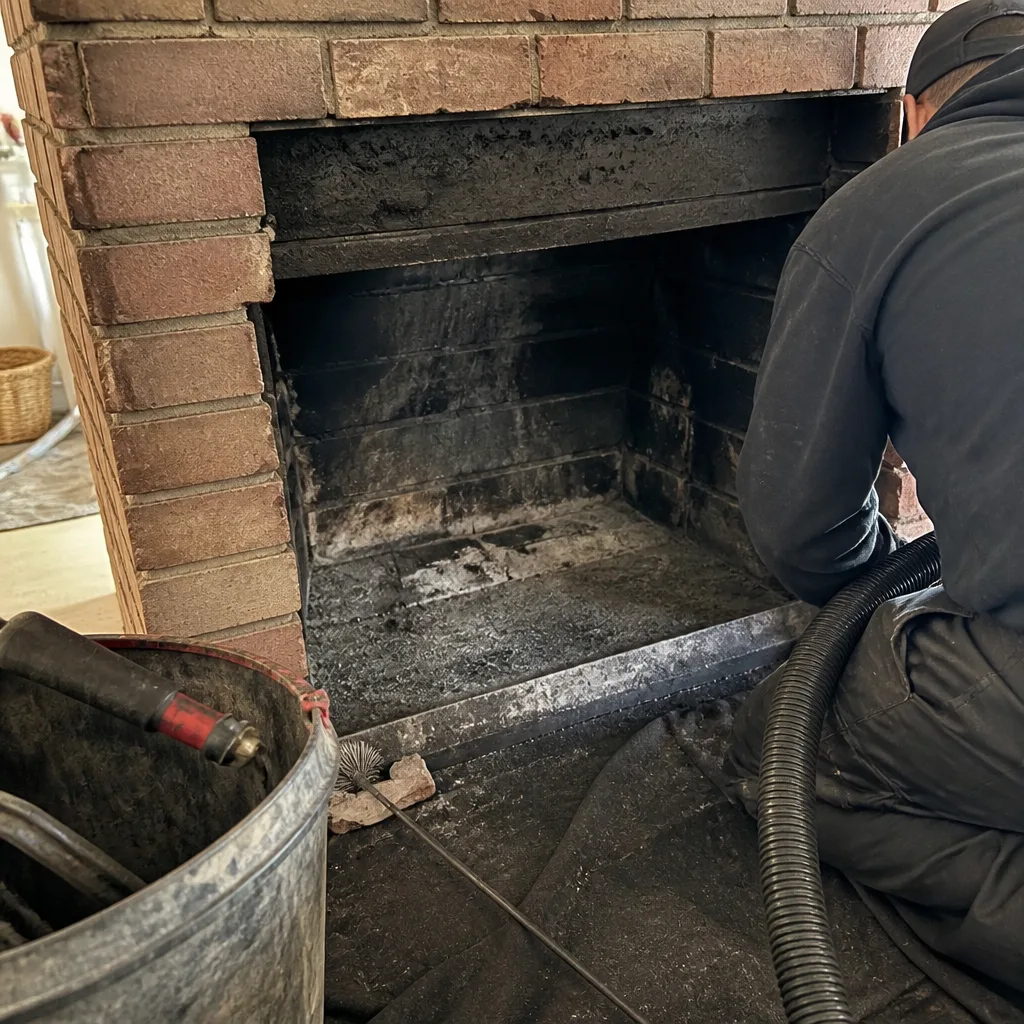
See the difference
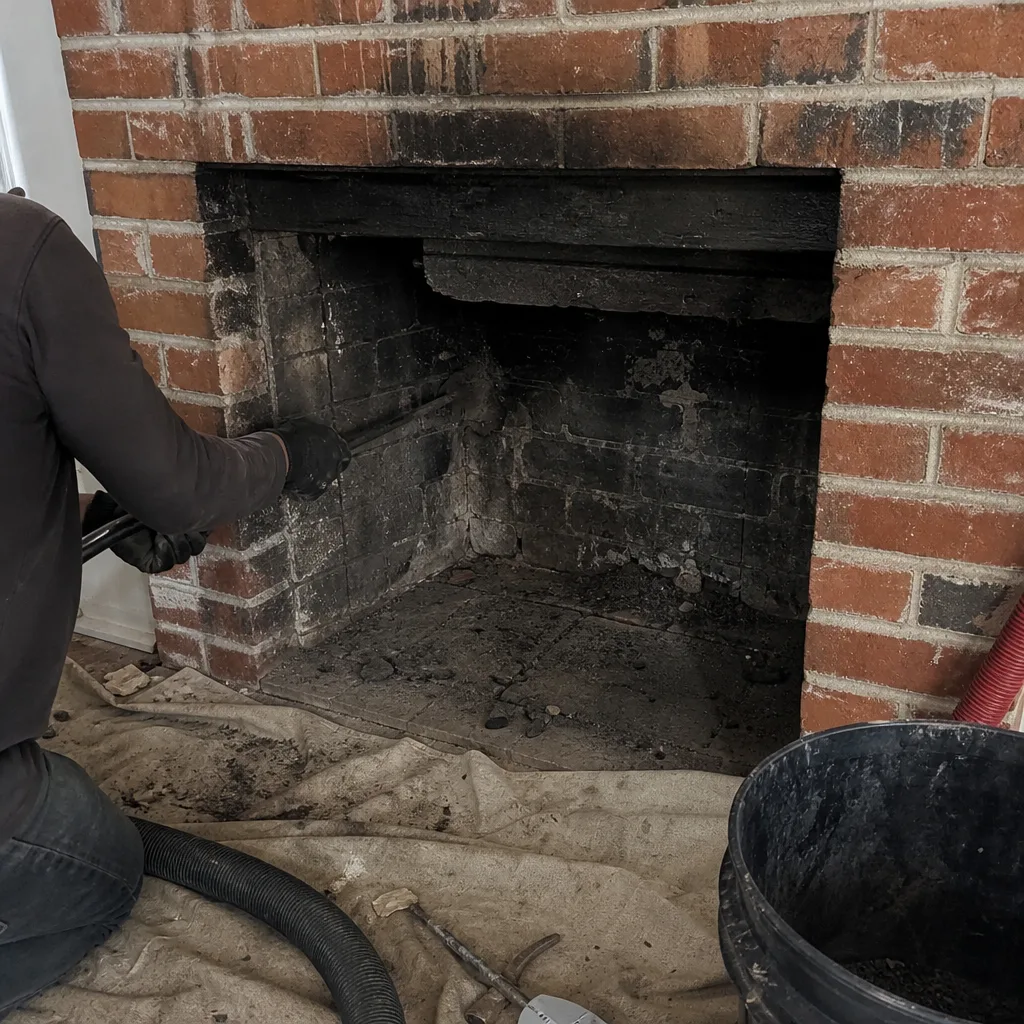 Before
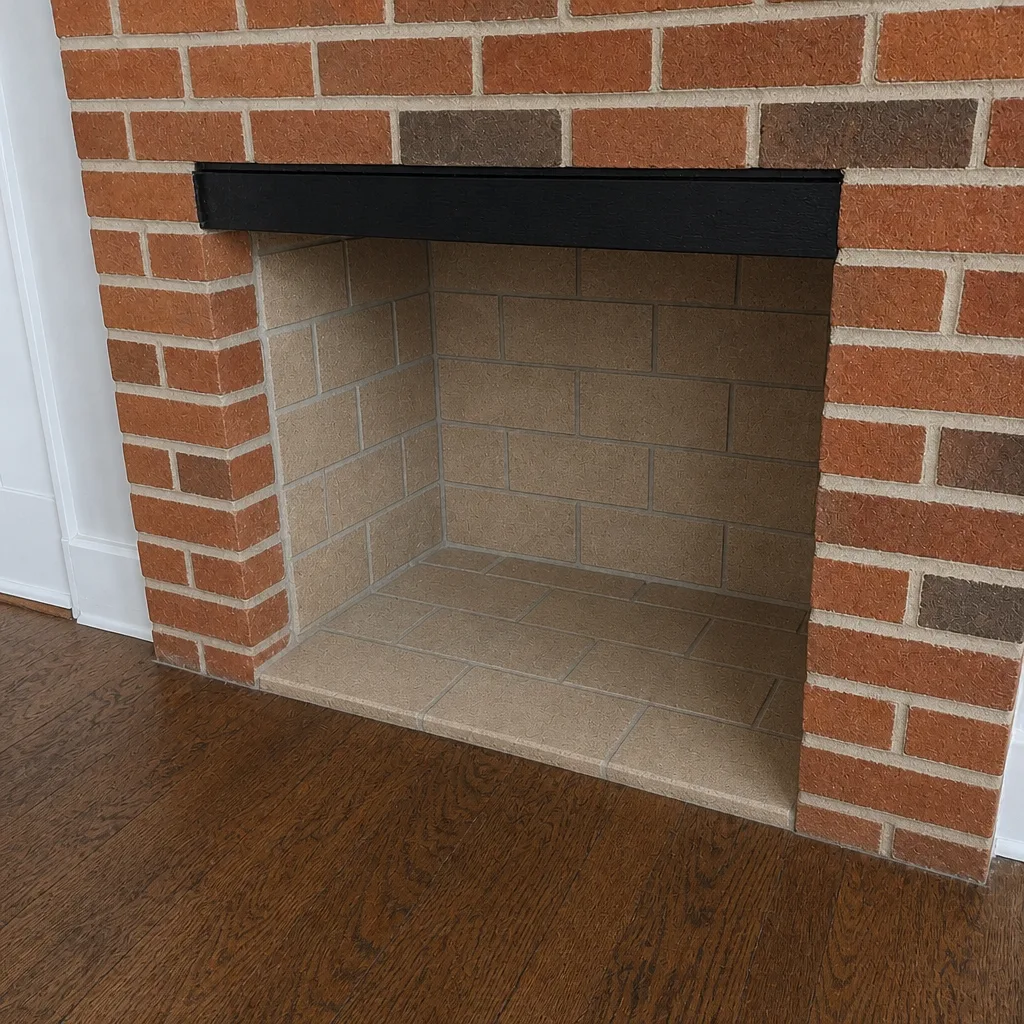 After
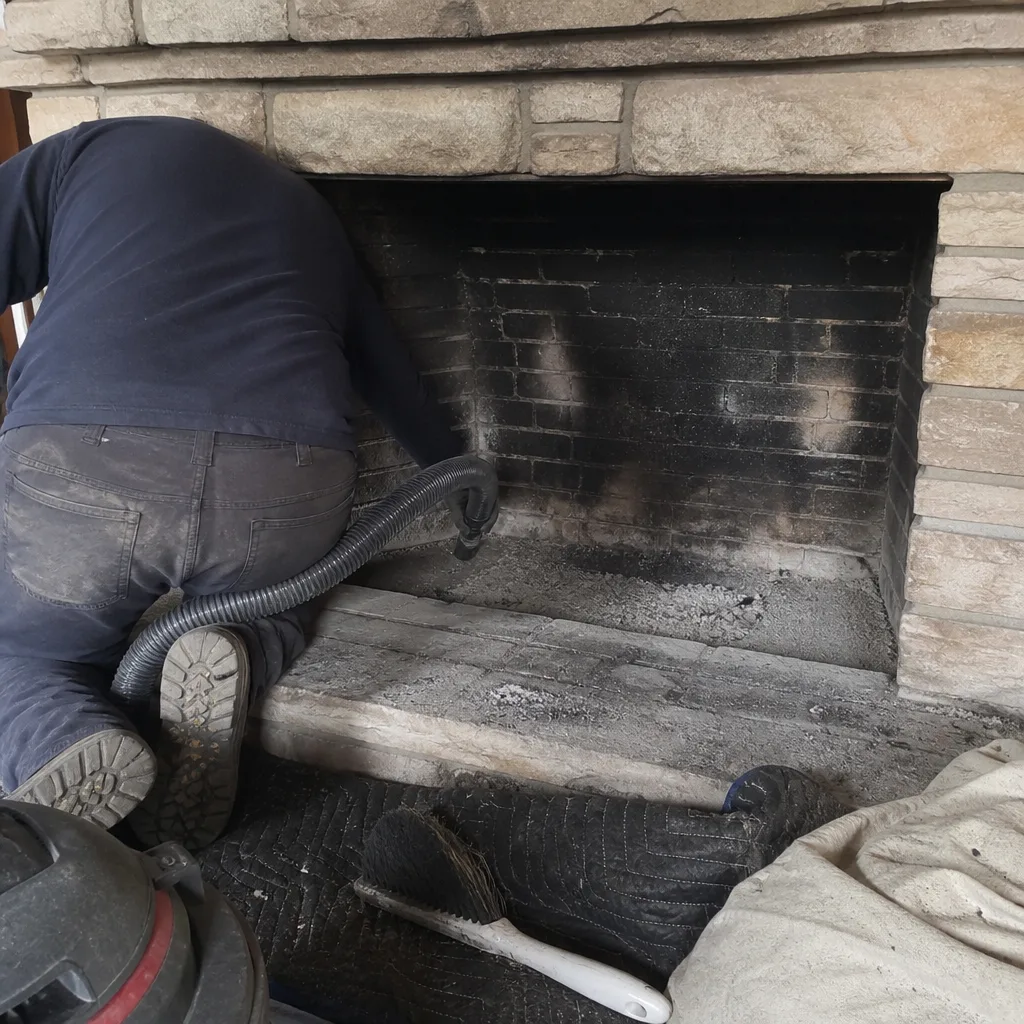 Before
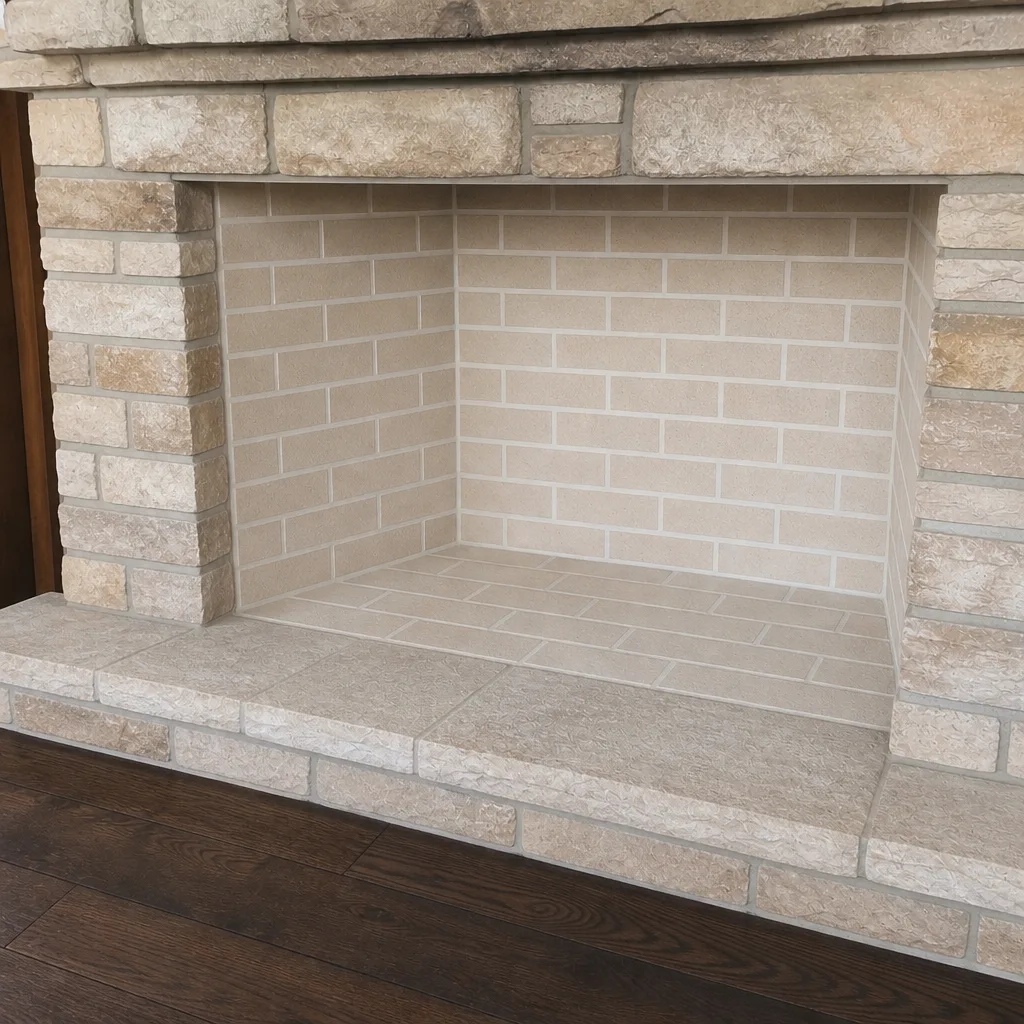 After
 Before
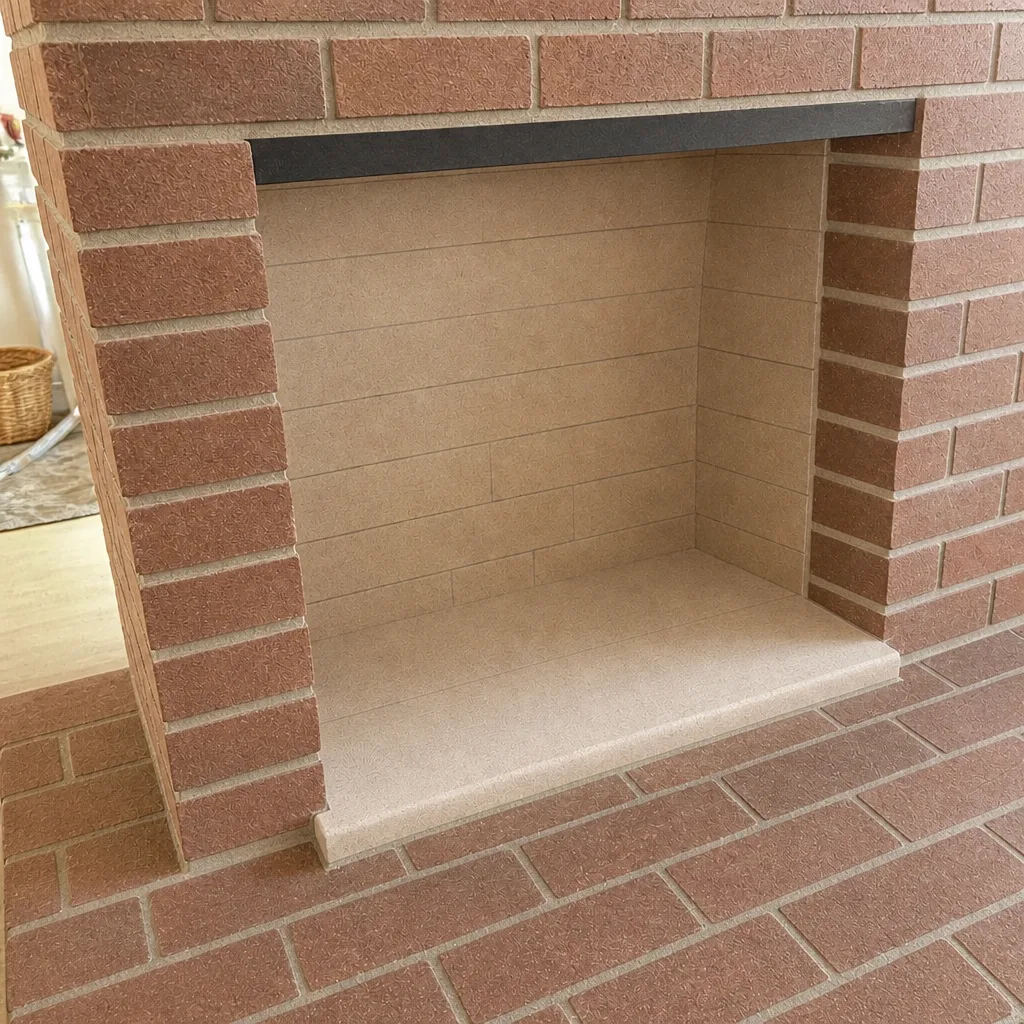 After
When to Call a Professional
Call when you see smoke backing into the room, smell gas near a gas appliance, hear something loose in the flue, notice water or dampness near the fireplace, or spot new masonry damage that wasn’t there last season. Call when the smell of creosote lingers when the fireplace is cold, when an animal has taken up residence, or when a chimney fire has happened. And call on schedule for the annual sweep and inspection, because that’s the visit that catches the things you can’t see from the ground.
Our technicians have up to 8 years of experience and work exclusively with professional-grade systems like DuraFlex, HeatShield, Gelco, Olympia Chimney, Famco, and Copperfield. From inspection through repair, you’re dealing with one company that handles the whole chimney. Chimney Sweep Harvey Park offers free estimates in Harvey Park. Call (866) 947-8503.
Frequently Asked Questions
If you can see more than a thin film of soot on the firebox walls, if the creosote smell is strong when the fireplace is cold, or if it’s been a full season of regular burning since the last sweep, it needs cleaning. Creosote buildup is the main driver of chimney fires, and stages above light soot require professional removal rather than a homeowner brush. A camera inspection confirms what’s actually in the flue. Call (866) 947-8503 for an exact quote; estimates are free.
White, powdery staining on brick is efflorescence, which means water is moving through the masonry and bringing mineral salts to the surface. It’s not a cosmetic issue. It points to a moisture entry path, most often a failed crown, deteriorated flashing, or open mortar joints. Call (866) 947-8503 for an exact quote; estimates are free.
A hairline crack that isn’t visibly separating can usually wait for your next scheduled service, but a crown with clear separation or spiderwebbing that holds water is urgent. Once water enters the crown crack, it goes into the masonry, and that’s how spalling and mortar recession start. Call (866) 947-8503 for an exact quote; estimates are free.
A cold fireplace with a lingering smoky smell usually indicates creosote buildup or moisture in the flue. Those two causes feed each other over time. A sour or acrid smell often means moisture has gotten into the system. Getting it looked at before the next burning season is the practical move. Call (866) 947-8503 for an exact quote; estimates are free.
No. The most important things a chimney inspection finds are invisible from the ground: a cracked liner, a partially blocked flue, early-stage creosote, or a crown failure on the back side of the chimney. Annual inspections are how those get caught before they turn into repairs. Call (866) 947-8503 for an exact quote; estimates are free.
Describe what you see, where on the chimney, when it appeared, and what the smell or smoke is doing. If you have a photo, mention it. That information lets us plan which equipment and materials to bring, from camera inspection gear to HeatShield or DuraFlex for a repair estimate. Call (866) 947-8503 for an exact quote; estimates are free.
The Bottom Line
Chimney warning signs are messages, not cosmetic flaws. Efflorescence means water is moving through your masonry. Spalling and mortar recession mean it’s been moving for a while. Smoke spilling into the room, gas smell, or an animal in the flue means stop burning and call. Creosote smell when the fireplace is cold means it’s cleaning time. Sound and airflow changes mean something in the system has shifted and needs a look. Catch these signs early and they stay small. Wait, and they compound into masonry, liner, or crown work that costs far more than the sweep would have. In Harvey Park, with the neighborhood’s mid-century chimneys and the Front Range freeze-thaw cycle, the difference between a monitored sign and an urgent one is usually a season. Call (866) 947-8503 for a free estimate. We answer 24/7. Fast dispatch from 7am to 7pm, Sunday through Friday.
Written by the team at Chimney Sweep Harvey Park.