
Last updated November 23, 2026
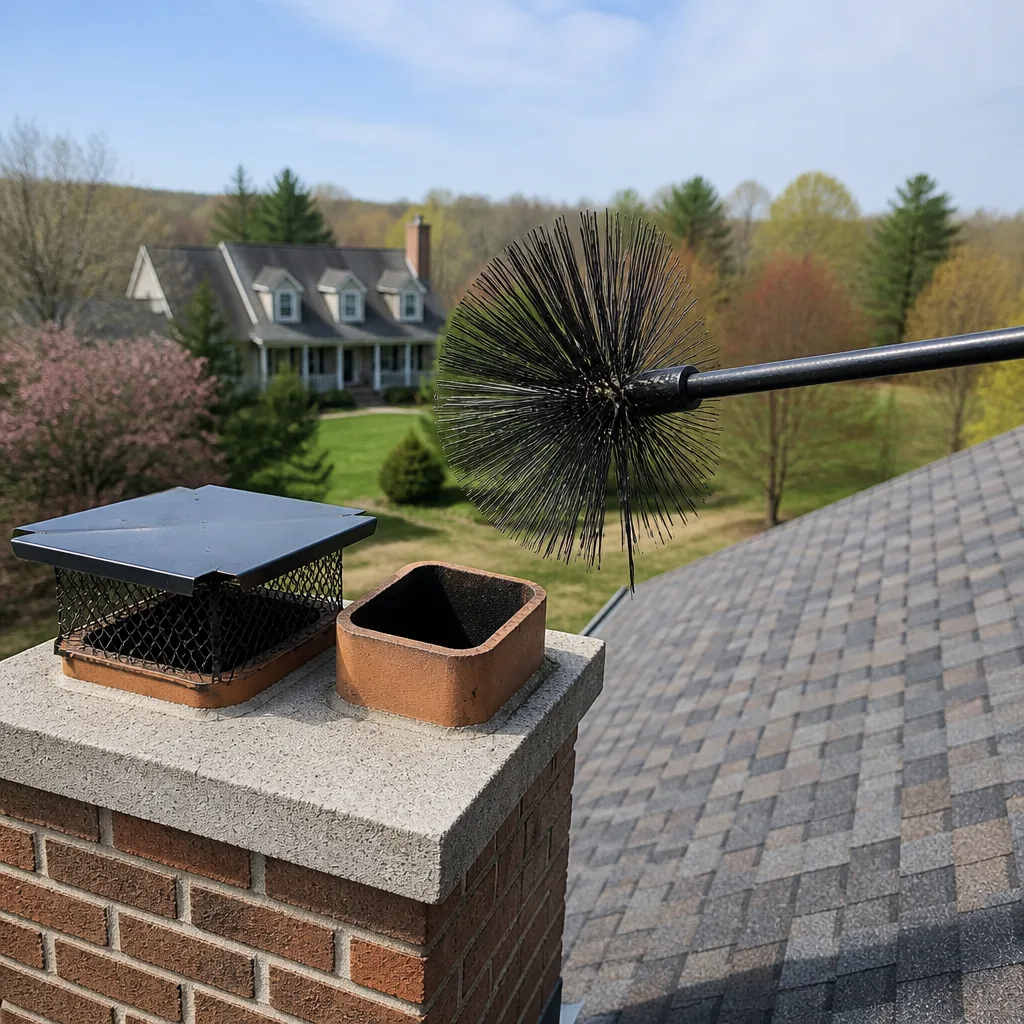 Sweep & inspection
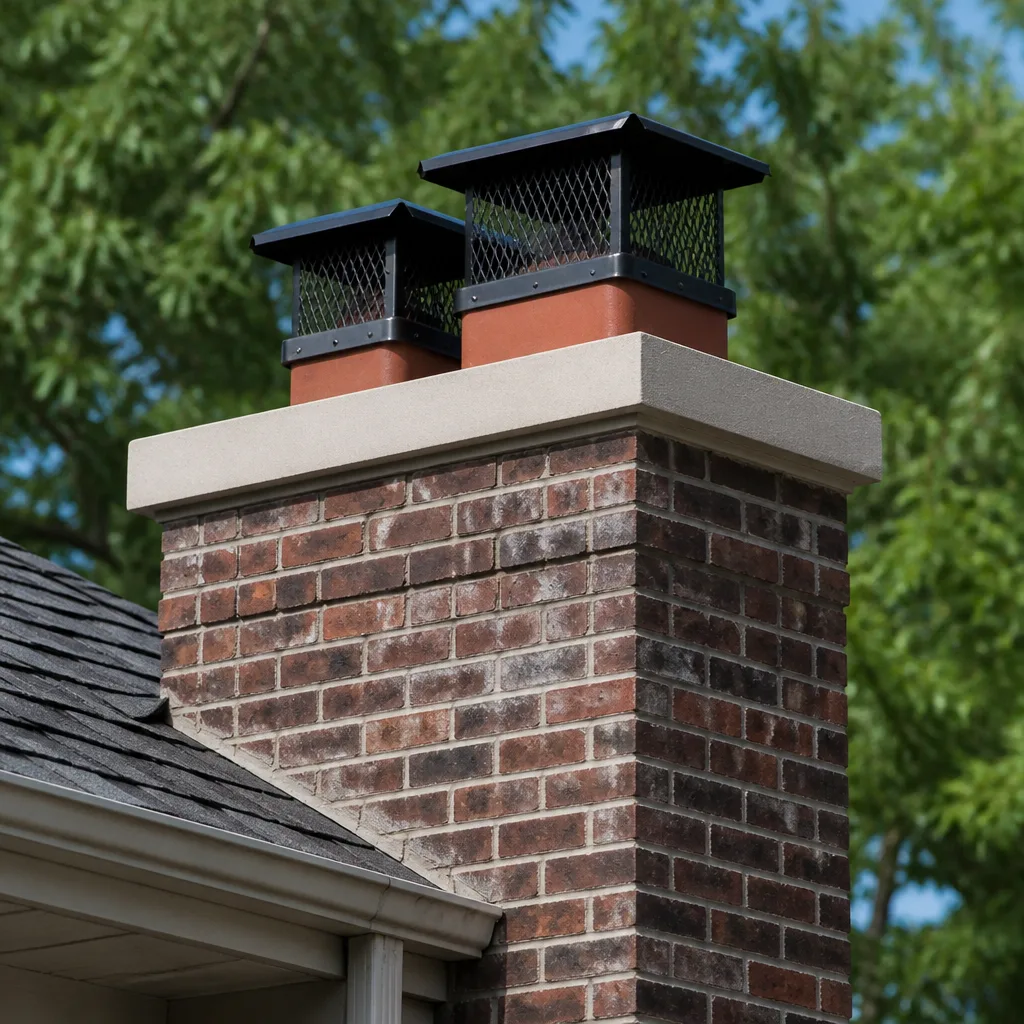 Caps & crowns
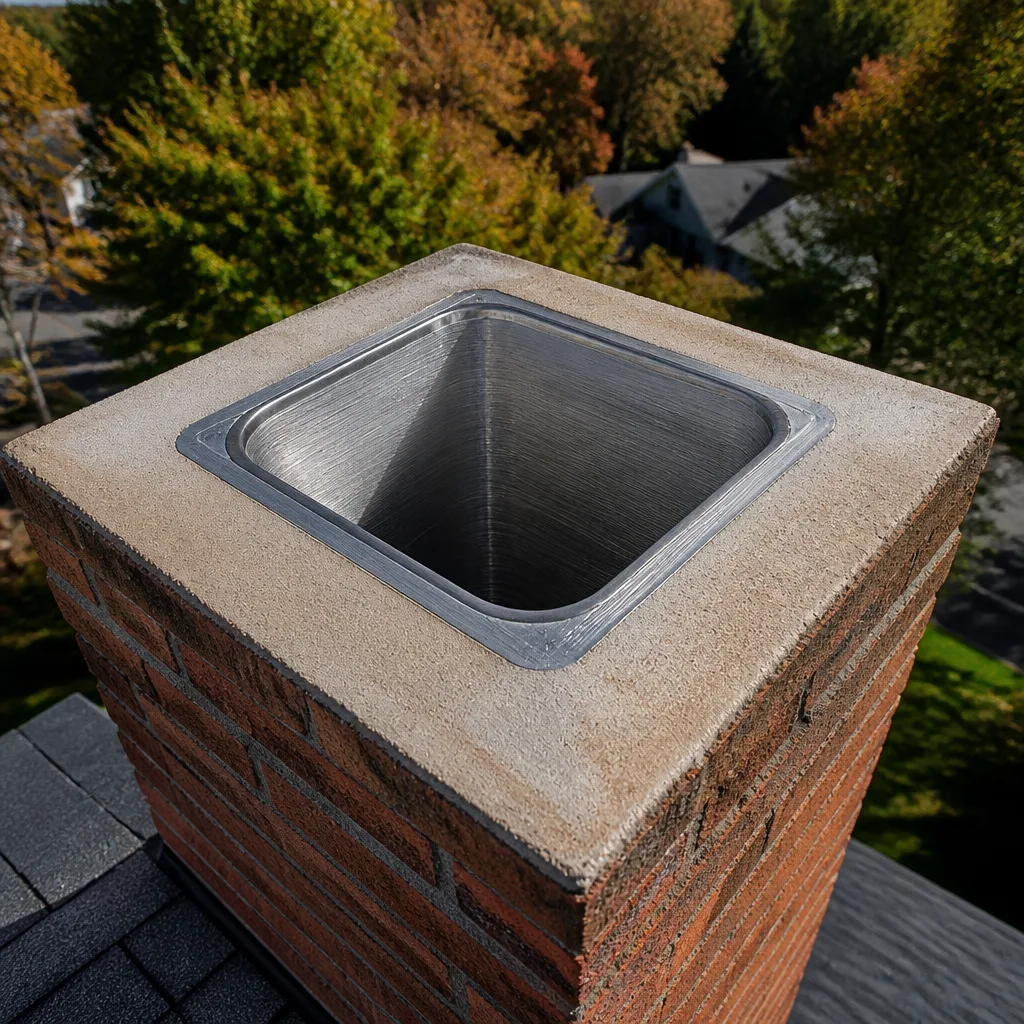 Flue relining
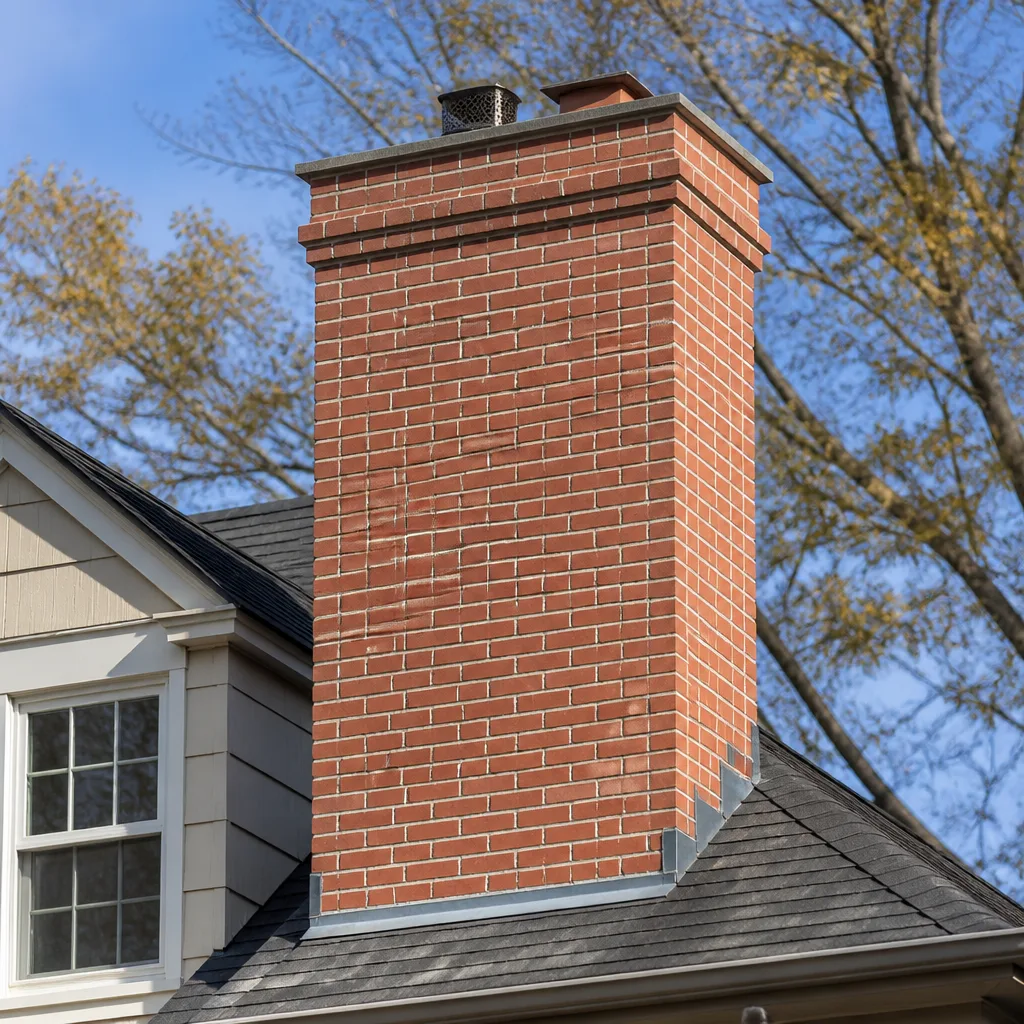 Masonry repair
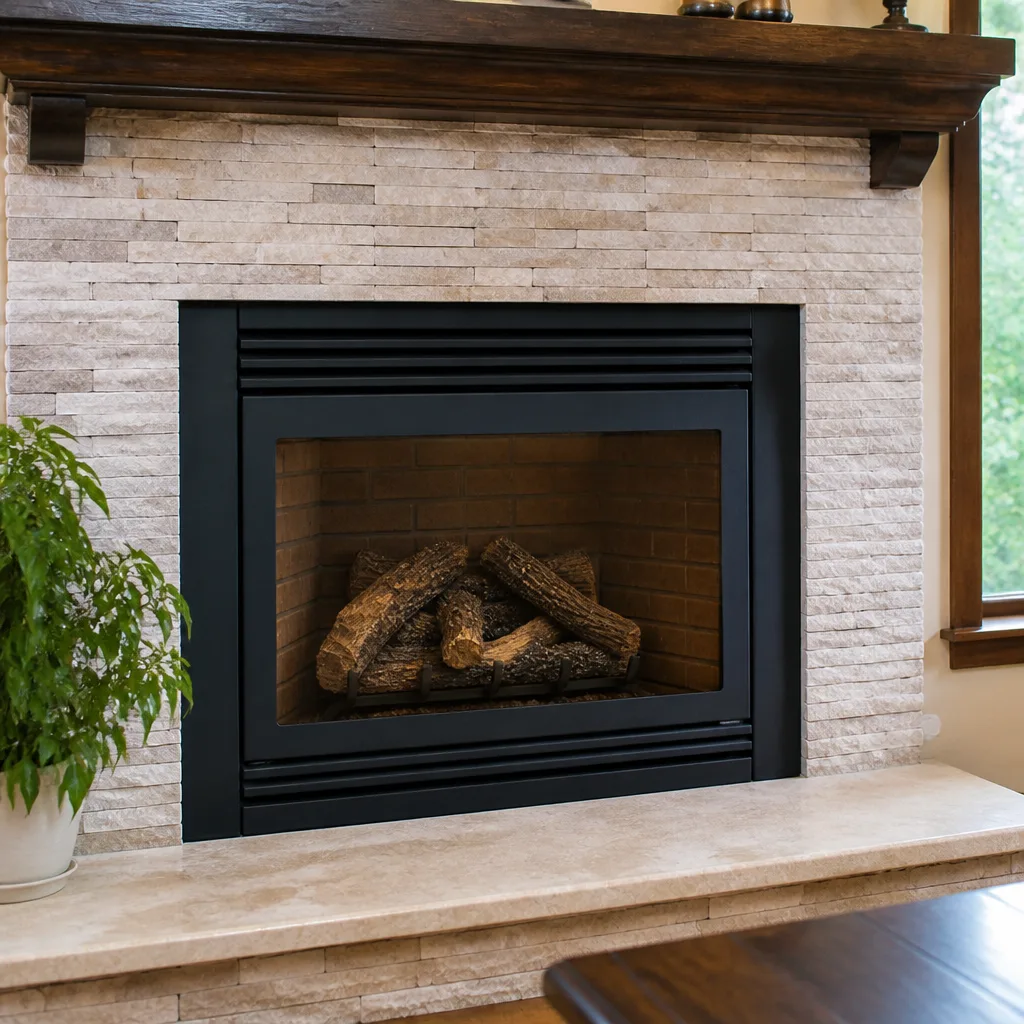 Gas fireplace service
Level 1 sweep and inspection to the NFPA 211 annual standard - flue, crown, cap, and flashing checked and photographed
Chimney sweep logs do not sweep chimneys. They loosen some creosote - which then falls where a brush and vacuum still have to collect it.
Chimney Cleaning Permits, Codes & Inspections in Harvey Park, CO: What You Need to Know
Most homeowners in Harvey Park assume that every part of chimney work is regulated the same way. It isn’t. The cleaning itself is routine maintenance, and no permit is required for a sweep. The moment a sweep turns into relining a flue, rebuilding a crown, or resetting a chase, you’ve crossed into a different category of work that falls under permits, codes, and inspection. A liner replacement completed without the right permit isn’t only a paperwork problem. It can become a coverage question for your insurer if there’s a fire. In this guide we’ll walk through which chimney services in Colorado need permits and which don’t, how Denver’s building department handles chimney repair permits, what NFPA 211 and IRC Chapter 10 have to say, what happens at resale when unpermitted work turns up, and how to verify a contractor actually pulls permits when they’re required.
Quick Answer
Routine chimney cleaning does not require a permit in Colorado. Repairs and modifications do. Relining a flue, replacing a chimney crown, rebuilding a chimney above the roofline, altering the flue’s dimensions, and installing or replacing a solid-fuel appliance all fall under the permitting side of the line. In Denver, chimney work of that type is permitted through the city’s building department and inspected before it’s closed up. NFPA 211 governs chimney construction and maintenance, and the International Residential Code’s Chapter 10 sets the construction standard that Colorado jurisdictions adopt. The permit requirement is the mechanism that ties those standards to the actual work done on your house.
Styles & brands we work with
- Sweep & inspection
- Caps & crowns
- Flue relining
- Masonry repair
- Gas fireplace service
Table of Contents
- Where the line falls: cleaning vs. repair
- How Denver’s building department handles chimney permits
- NFPA 211 and IRC Chapter 10, translated for homeowners
- What unpermitted chimney work does at resale
- Why your insurer cares about the paper trail
- How to verify your chimney contractor pulls permits
- Harvey Park housing stock and what it means for chimney code
- The three levels of chimney inspection and when each applies
Where the line falls: cleaning vs. repair
The confusion almost always comes from the word “cleaning.” A homeowner books a cleaning, the technician finds a cracked flue tile or a loose crown, and suddenly the job is bigger than expected. That’s when the permit question should come up, and it’s the moment most homeowners have never thought about it.
Here’s how we break it down for our own customers:
- No permit required: Sweeping the flue, removing creosote and soot, installing a chimney cap on an existing flue, replacing a cap that’s simply worn out, minor firebox cleaning, and inspection at any level.
- Permit typically required: Relining a flue (whether that’s a new stainless liner or a cast-in-place resurfacing), replacing a chimney crown, any structural rebuild above the roof deck, altering the flue’s interior dimensions, installing or replacing a wood stove or insert, and any modification to the chimney chase.
- Gray area, verify locally: Repairing a crown in place with a resurfacing product, replacing a damper assembly, and installing a top-sealing damper. These depend on scope and jurisdiction. The right answer is to call the local building department before booking.
The threshold residents ask about most is crown work. A crown is the concrete or masonry cap at the very top of the chimney that sheds water away from the flue. Replacing a crown is a structural repair of an exterior component, so it’s the kind of work the city treats with the same permit process as a chimney rebuild. A sweep that discovers a failed crown is exactly the moment a Harvey Park homeowner transitions from “maintenance” to “permitted repair,” whether they expected to or not. If we find that condition during a sweep, we’ll tell you it needs a permit rather than quietly working around it. Work doesn’t move forward without the paperwork being lined up.
How Denver’s building department handles chimney permits
The City and County of Denver issues chimney and fireplace permits through its building department. In practice, a permit connects three things: the written scope of the work, the code it has to meet, and an inspection after the work is done. The inspection is the part homeowners underestimate.
Here’s what a permitted chimney repair actually looks like from the homeowner’s side:
- Scope is documented. The permit application describes exactly what will be done: relining a specific flue, replacing the crown, rebuilding the chimney’s upper section. It is not a vague “chimney work” line item.
- Code reference is attached. The application references the applicable code section. In Denver’s case, that’s the residential code adopted by the city, which adopts the IRC’s Chapter 10 chimney provisions with local amendments.
- Work proceeds under permit. The chimney contractor cannot close up the flue, pour a crown, or complete the rebuild until the inspection is scheduled and passed.
- Inspection happens. The building inspector visits, verifies the work matches the scope and meets the code, and signs off. The signed card stays with the permit record.
- Final documentation is issued. The homeowner gets a closed permit. That’s the piece that matters at resale and for insurers.
Denver being Denver, the timing of that inspection matters. Chimney repairs get scheduled after the weather breaks, which is the same period when the building department is processing a lot of exterior work. Booking early in the season means the inspection happens when the work is done, not weeks later. For a Harvey Park homeowner, that’s a real reason to get the assessment done before the spring rush, not after.
NFPA 211 and IRC Chapter 10, translated for homeowners
Two documents govern the vast majority of chimney work in Colorado: NFPA 211 (the Standard for Chimneys, Fireplaces, Vents, and Solid Fuel-Burning Appliances, published by the National Fire Protection Association) and Chapter 10 of the International Residential Code (IRC), which covers chimneys and fireplaces. Colorado adopts the IRC at the state level, and each local jurisdiction adopts or amends it locally.
Here’s what they actually mean for a homeowner in Harvey Park:
- NFPA 211 sets the maintenance standard. It defines when a chimney should be swept (typically when the creosote layer reaches about 1/8 inch), what an inspection should include at each level, and how a chimney should be constructed to vent safely. It’s the reference standard our technicians work against.
- IRC Chapter 10 sets the construction standard. Clearances to combustible materials, flue sizing, chimney height above the roof, crown requirements, liner requirements. When a building inspector signs off on chimney work, these are the provisions they’re checking against.
- Local amendments layer on top. Denver has its own amendments to the adopted code, and other Colorado jurisdictions do the same. A repair that’s compliant in one city may not be compliant in another. Any chimney contractor working in Harvey Park needs to know which version of the code applies here.
The practical translation: NFPA 211 tells you when a chimney needs attention and what an inspection should cover. IRC Chapter 10 tells you how the repair has to be built. Denver’s amendments tell you how the city enforces both. A permitted repair is the mechanism that ties the three together.
What unpermitted chimney work does at resale
For most home sellers, unpermitted chimney work is invisible until the day it isn’t. The home inspection happens, the inspector notes recent chimney work, and a records search turns up no permit. What follows is a sequence that’s difficult to shortcut.
- The inspector flags it. Recent chimney repair without a permit record becomes a line on the home inspection report.
- The buyer’s agent requests documentation. The seller needs to provide a permit number, an inspection card, or a signed-off permit. If there’s nothing to provide, the issue escalates.
- A third-party inspection is ordered. The buyer hires an inspector to verify the work was done to code. That inspection is at the seller’s expense and its outcome is uncertain until it happens.
- Negotiation opens. The buyer has an inspection report showing unpermitted work on a critical safety system. That becomes leverage at the negotiating table, often well past the cost of the original repair.
- Remediation, if the work doesn’t pass. If the work can’t be verified as code-compliant, the fix may be to tear it out and rebuild under permit.
None of this is hypothetical, and none of it depends on the work being badly done. Plenty of unpermitted chimney repairs were completed competently. The problem is that no one can prove it, and unprovable work on a safety system is a defect in a real estate transaction no matter how well it was done. If you’re a Harvey Park homeowner thinking about selling in the next few years, treat permit records as a house asset the same way you’d treat a roof warranty.
Why your insurer cares about the paper trail
This is the part of the equation most contractors won’t bring up. Homeowners insurance policies differ enormously, but most include some form of condition clause requiring the insured to maintain the property and comply with code. A chimney fire or carbon monoxide incident traced back to unpermitted and non-code-compliant work opens a coverage question that wouldn’t exist if the work had been done under permit and inspected.
We’re not an insurance company and we’re not giving you a policy interpretation. What we can tell you is what actually matters when a claim happens:
- A closed permit is documented proof the work met code at the time it was done.
- An inspection report with photos is documented proof of the chimney’s condition before and after the work.
- Written documentation of materials installed (for example, the specific liner system used) provides traceability if a question comes up years later.
- None of the above exists when a repair was done as a cash handshake with no permit and no paper.
Every permitted job we complete gets a photo report of the work as it was done. That report is worth keeping with the house documents. It’s not a replacement for a closed permit, but combined with a permit record, it’s the documentation an adjuster wants when there’s a question years after the fact. If you’ve moved into a Harvey Park home and don’t know the chimney’s history, an inspection is the fastest way to establish a baseline you can document from that point forward.
How to verify your chimney contractor pulls permits
A chimney contractor who’s licensed and insured will pull permits when permits are required. A contractor who offers to skip them is telling you something important, even if the offer is friendly. Here’s how to verify the work is actually permitted:
- Ask before you book. “Will you be pulling a permit for this work?” should be a standard question during the estimate. If the answer is a version of “you don’t need one,” ask which code provision exempts the scope.
- Get the permit number in writing. The permit number belongs in the written estimate or the contract, not just in conversation. Note it somewhere you’ll find it later.
- Check the permit online. Most Colorado jurisdictions, Denver included, let a homeowner look up a permit by address or number on the city’s website. Confirm the scope matches what you’re actually having done.
- Confirm the inspection was scheduled and passed. A permit that was pulled and never inspected is no better than no permit at all. The contractor should tell you when the inspection is scheduled and confirm when it’s signed off.
- Get the final documentation in your file. A closed permit with the inspection card is the deliverable. Ask for it in writing and keep it with your home records.
One more check worth making: call the building department directly and give them the address. They can tell you whether permits exist, what they cover, and whether they’ve been closed. Five minutes of your time over the phone, and it completely bypasses any ambiguity from the contractor side.
Harvey Park housing stock and what it means for chimney code
Harvey Park was built as a post-war residential neighborhood, starting in the 1950s and continuing to expand over the following decades. That matters for chimney code in a specific way. Many of the homes here were constructed with masonry chimneys sized and lined for the appliances of the era: a wood-burning fireplace, a furnace, a water heater. Those chimneys were built to the code at the time. Codes have moved since.
What that means in practice for a Harvey Park homeowner:
- Original clay-tile liners. Older flues typically have unlined or single-wythe clay-tile liners, some of which have cracked or deteriorated over decades of heating and cooling cycles. Relining one of these is fairly common in Harvey Park, and it’s a permitted repair.
- Homes that added a wood stove or insert. Installations done decades ago often predate the current IRC Chapter 10 clearance and flue-sizing requirements. If you’ve moved into a home with an older insert you can’t trace the history of, an inspection is the sensible first step.
- Original crowns. Crowns wear, especially with the freeze-thaw swings along the Front Range. A worn crown lets water into the chimney’s structural masonry. Replacing one correctly is the difference between a repair and a rebuild. Our chimney cap & crown work is designed around exactly this exposure.
- Chase conversions. Some Harvey Park homes have converted wood fireplaces to gas inserts, which often requires flue modification and gets you into permit territory.
The Harvey Park climate is a real factor here. The freeze-thaw cycling along the Front Range stresses masonry crowns and mortar joints every winter, and a chimney that passed inspection in the fall can develop a hairline crack by spring. The permit question isn’t just a paperwork exercise. It’s the mechanism that verifies the repair is built for this climate, not a milder one.
The three levels of chimney inspection and when each applies
NFPA 211 defines three levels of chimney inspection. Knowing which one applies to your situation tells you what to expect and what a professional should deliver.
- Level 1: A visual inspection of readily accessible portions of the chimney, the appliance connection, and the firebox. It’s what you get with an annual sweep, and it doesn’t require the chimney to be dismantled or cameras to be run. It’s appropriate when the chimney is under normal ongoing use and no condition suggests a problem.
- Level 2: A more thorough inspection that includes the accessible attic and crawlspace, the chimney’s exterior, and a camera run through the flue. This is required at the sale or transfer of a property, after a chimney fire or other event, after a significant change to the appliance (new insert, new stove, conversion to gas), and when there’s evidence of a problem that a Level 1 can’t resolve.
- Level 3: An inspection that involves opening concealed portions of the chimney or adjacent construction. This is done when a Level 1 or Level 2 inspection has identified a hazard that can’t be resolved any other way. It’s rare, and it’s the last step before major structural repair.
If you’ve purchased a home in Harvey Park and don’t know the chimney’s history, a Level 2 inspection is the starting point. It gives you a baseline you can document, and if it turns up work that needs a permit, you’ll know that before you book the repair rather than discovering it six months into a process. A routine chimney sweep in Harvey Park typically includes a Level 1 inspection.
Common Mistakes to Avoid
- Assuming the cleaning and the repair are the same permit category. A sweep needs no permit. The relining discovered during the sweep does. Bundle them in your head and you’ll book the wrong service with the wrong paperwork.
- Accepting a contractor’s word that a permit isn’t required. “You don’t need one for this” is a common short answer to a question that has a specific answer. Ask which code provision exempts the scope of work, then verify it with the building department.
- Pulling the permit but skipping the inspection. A permit is not a stamp of quality. The inspection is. Confirm that the inspection was scheduled and signed off before the contractor closes out the file.
- Assuming the code from another city applies in Denver. Colorado jurisdictions adopt and amend the IRC differently. A chimney repair that passed code compliance in one city may not meet Denver’s amended requirements, and Harvey Park falls under Denver’s building department.
- Not keeping the closed permit with home records. The permit card and inspection documentation belong with your title, insurance, and home sale paperwork. In a real estate transaction, they are how unpermitted work questions get answered.
- Confusing “no permit was requested” with “no permit was required.” A contractor can complete work without requesting a permit whether or not the work needed one. The absence of a permit doesn’t prove the work was exempt.
- Treating the cost of a permit as an obstacle to be avoided. The permit cost is a small line item. The cost of discovery at resale, or the coverage complication from an insurance claim, is not. The permit is the cheap part.
See the difference
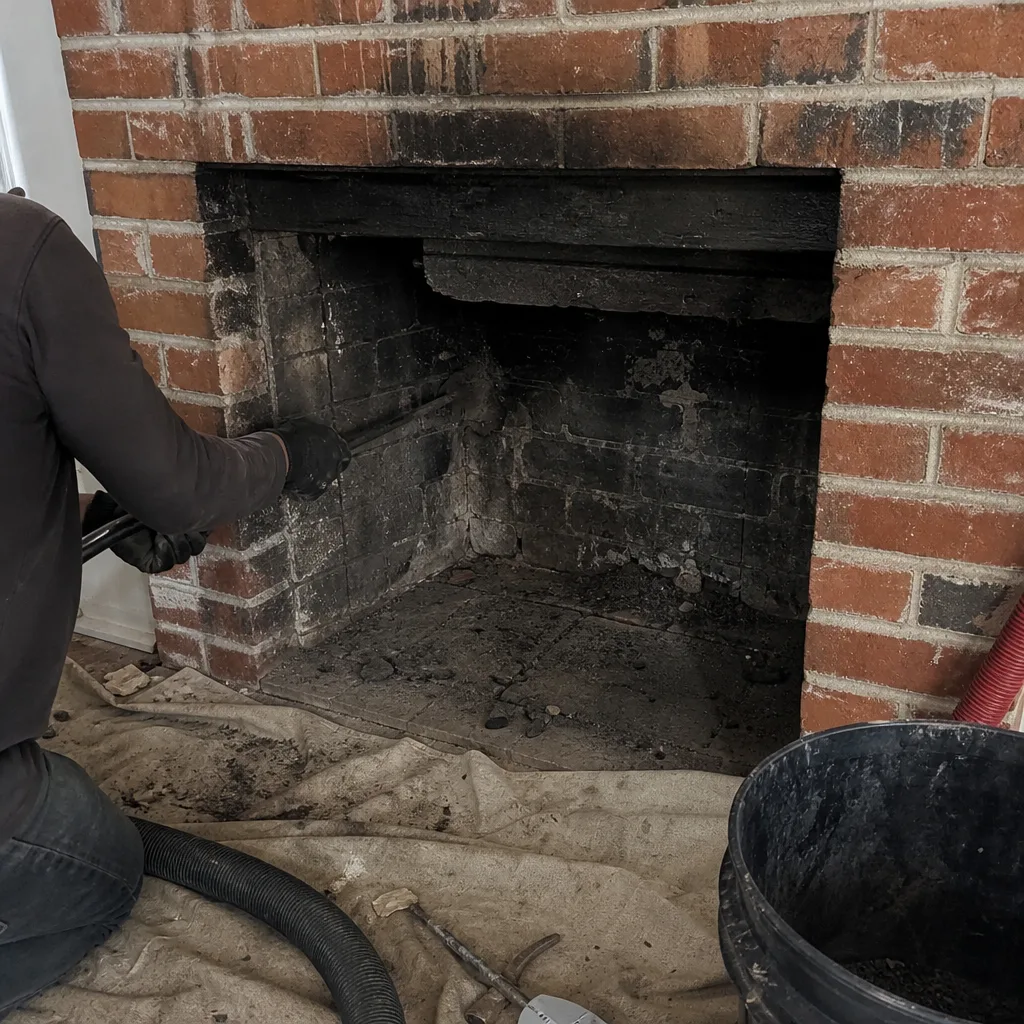 Before
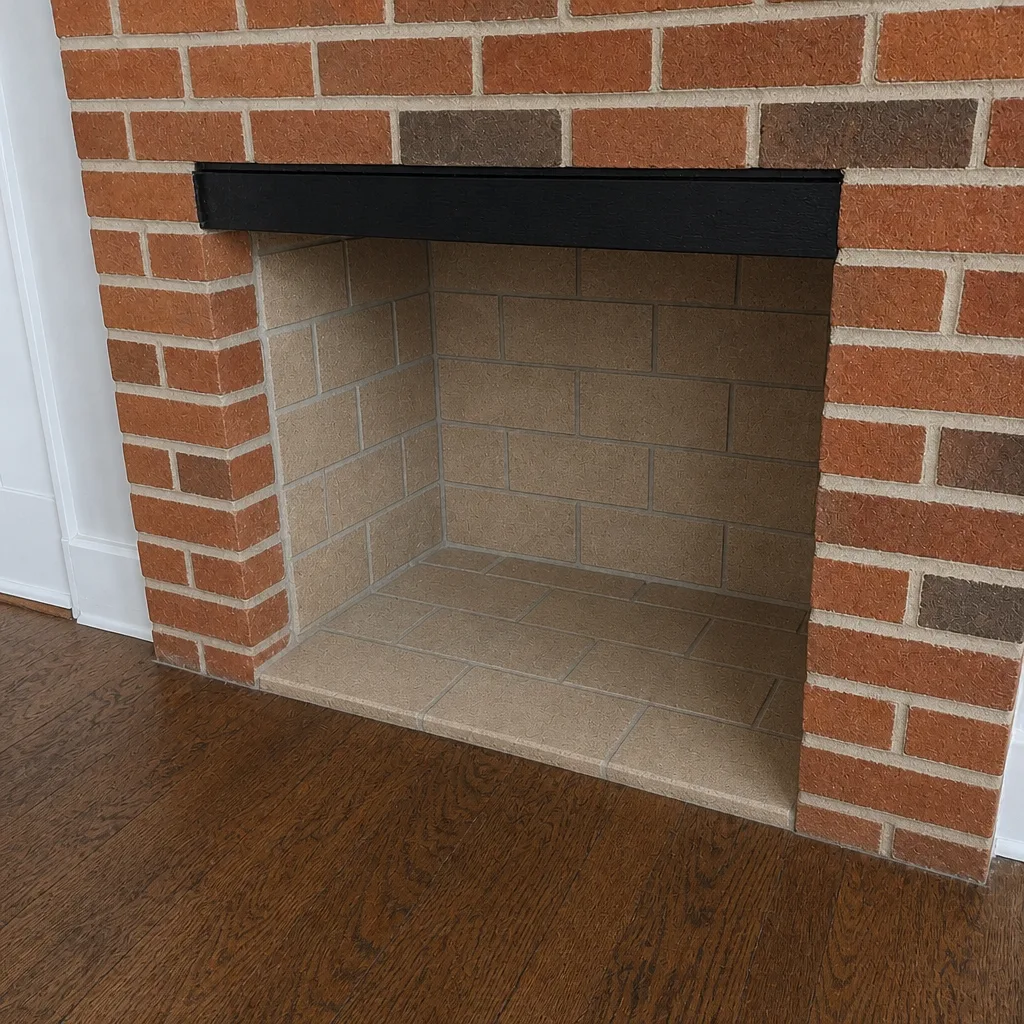 After
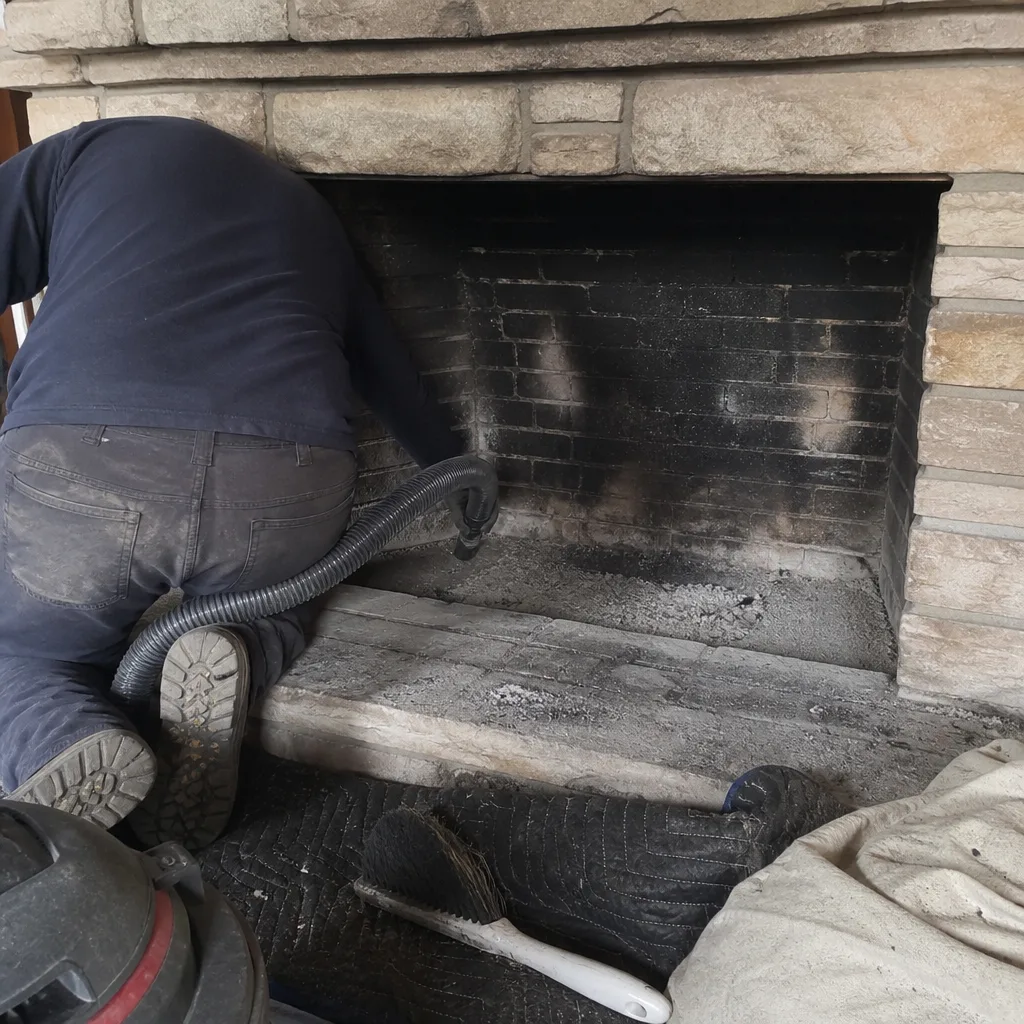 Before
 After
 Before
 After
When to Call a Professional
There are specific situations where the permit question makes the professional call unavoidable. You’re buying or selling a home in Harvey Park and need a Level 2 inspection. You’ve moved into a home with an older fireplace insert or stove and can’t trace the installation history. A sweep has found a cracked flue, a failed crown, or flue tiles that have shifted. A chimney fire has occurred. You’re considering a wood stove install, an insert replacement, or a conversion to gas, all of which touch flue and code requirements. Or you’ve been told by a contractor that a permit isn’t necessary for a job that involves relining or crown work. In each of those cases, a licensed chimney professional can tell you what the work actually requires and pull the permit when it’s needed.
Chimney Sweep Harvey Park offers free estimates in Harvey Park. Call (866) 947-8503. We answer 24/7. Fast dispatch from 7am to 7pm, Sunday through Friday.
Frequently Asked Questions
No. Routine chimney cleaning in Harvey Park does not require a permit. Sweeping the flue, removing creosote and soot, and a Level 1 inspection are maintenance, not construction. If the sweep turns up a repair that involves relining, crown replacement, or structural work, a permit becomes part of the job. Call (866) 947-8503 for a free estimate.
Repairs that modify or rebuild the chimney require a permit in Colorado. That includes relining a flue, replacing a chimney crown, rebuilding any part of the chimney above the roofline, changing the flue’s dimensions, and installing or replacing a solid-fuel appliance. The scope determines the requirement, and the local building department has the final word. Call (866) 947-8503 for an estimate and we’ll tell you what your specific work requires.
Yes. Relining a flue is treated as a modification of the chimney’s venting system, and Denver’s building department permits it. The permit ties the work to IRC Chapter 10 and gets it inspected. A liner replacement completed without a permit can create a coverage question for your insurer if there’s ever a fire, and it can complicate a sale. We install DuraFlex and HeatShield liner systems under permit whenever the scope requires it. Call (866) 947-8503 for a free estimate.
Unpermitted chimney work typically surfaces during the home inspection, when the buyer’s agent requests documentation and nothing exists to provide. From there it goes to a third-party inspection at the seller’s expense, which often opens a negotiation on price or requires remediation. The work can have been done perfectly and still become a defect at resale because no one can prove it. A closed permit is the answer to that question. Call (866) 947-8503 for a free estimate.
Ask for the permit number in writing and check it against the city’s online permit lookup for your address. Confirm the scope on the permit matches the work being done, and confirm the inspection was scheduled and signed off after the work. A contractor who’s following the rules will have no problem giving you the number. Call (866) 947-8503 if you’d like us to walk through the permit process for your job.
A cleaning removes creosote, soot, and debris from the flue. An inspection assesses the chimney’s condition and identifies issues. A sweep typically includes a Level 1 visual inspection, but a Level 2 inspection goes further with a camera through the flue and a check of accessible attic and crawlspace. A Level 2 is the standard inspection when a home is sold or after a chimney fire. Our fireplace repair work usually starts with an inspection so we’re repairing what’s actually there. Call (866) 947-8503 for a free estimate.
The Bottom Line
Chimney cleaning in Harvey Park doesn’t require a permit. The repairs discovered during cleaning often do, and the permit requirement is the mechanism that ties the work to the code that governs it. NFPA 211 tells you when a chimney needs attention. IRC Chapter 10, as Denver adopts it with local amendments, tells you how the repair must be built. The permit and inspection process is how those standards reach your actual chimney. Skip the permit and the work can still be well done, but it becomes unprovable, and unprovable work on a safety system is a problem at resale and potentially at claim time. If a repair comes up during a sweep, the right move is to book the permit with the repair, not around it. Ask any contractor you hire for the permit number in writing, confirm the inspection signed off, and keep the closed permit with your home records. Chimney Sweep Harvey Park works with professional-grade systems including DuraFlex and HeatShield, and installs them under permit when the scope requires it. Our technicians have up to 8 years of experience with the parts of chimney work residents tend to discover only after a problem surfaces.
If you need a sweep, an inspection, or permitted repair work on your Harvey Park chimney, call Chimney Sweep Harvey Park at (866) 947-8503 for a free estimate. We answer 24/7. Fast dispatch from 7am to 7pm, Sunday through Friday.
Written by the team at Chimney Sweep Harvey Park.