
Last updated November 23, 2026
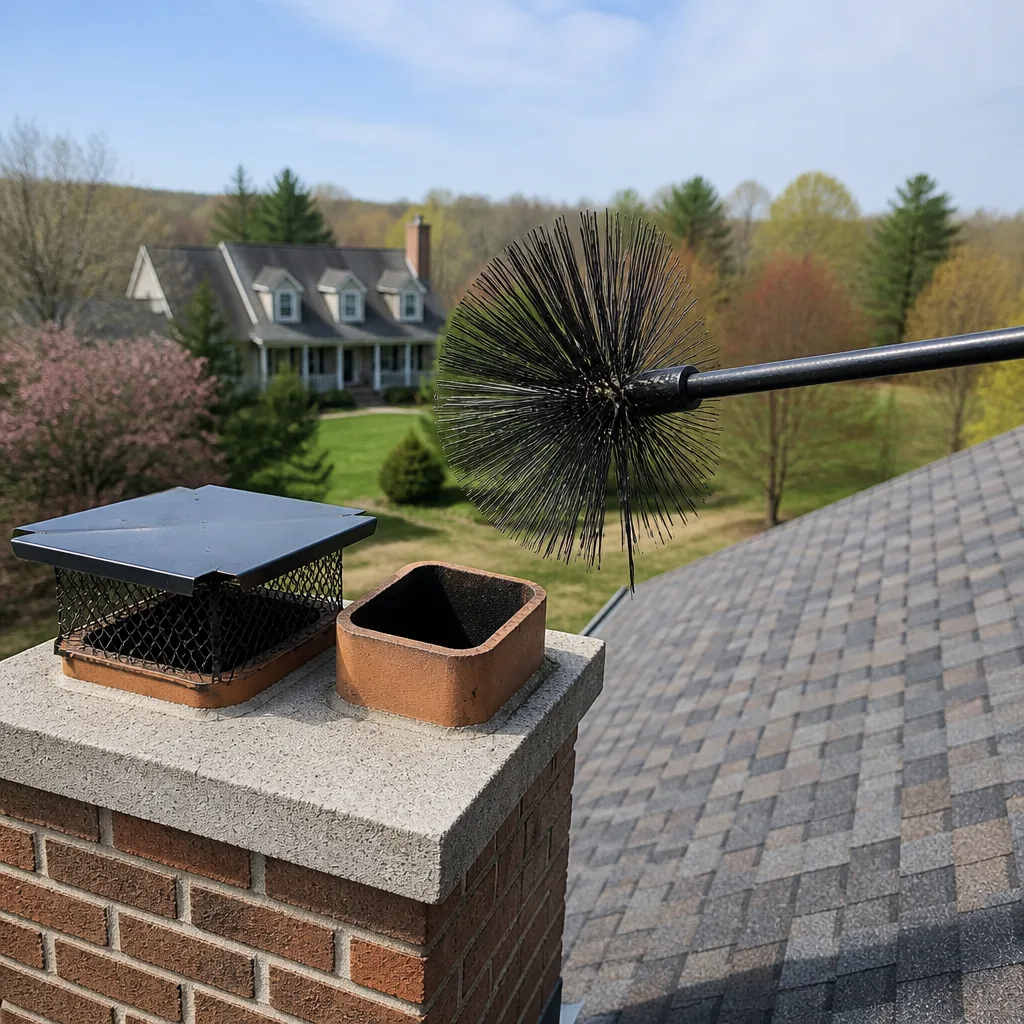 Sweep & inspection
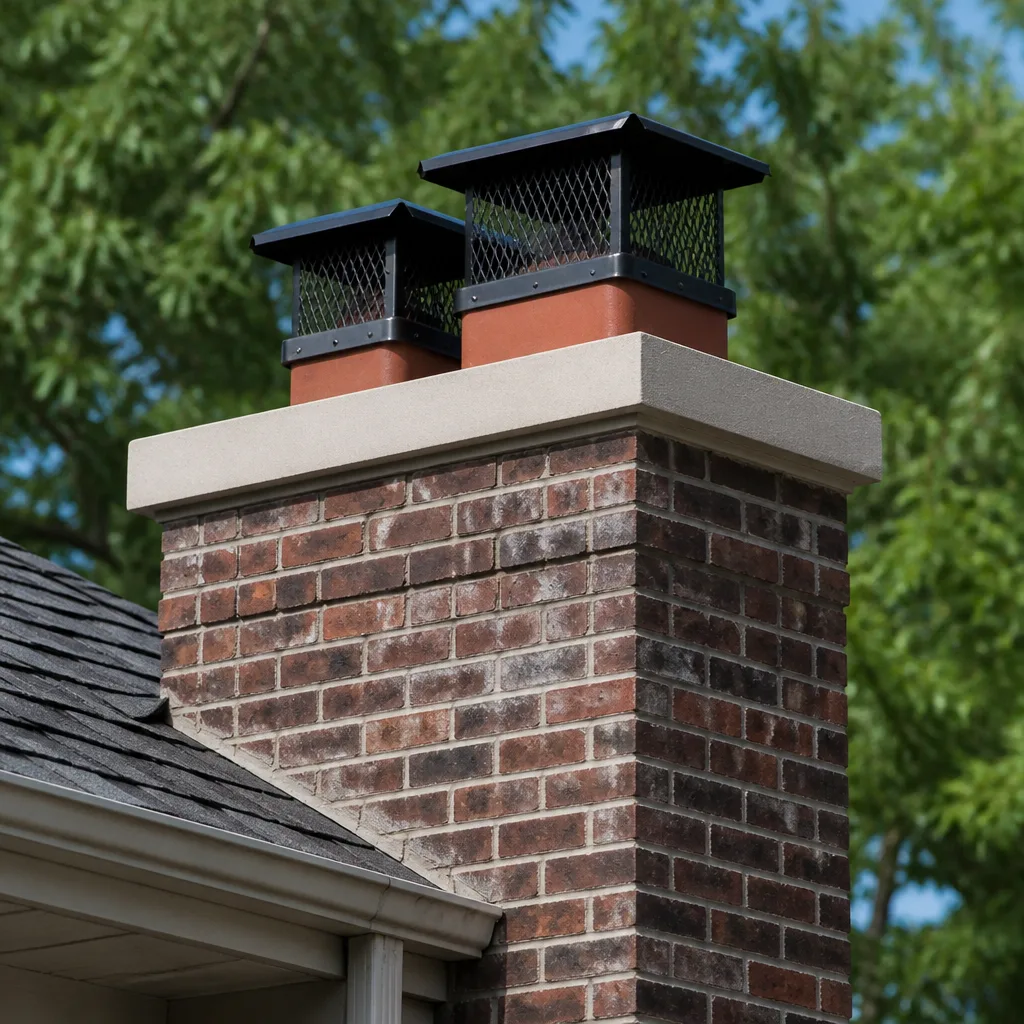 Caps & crowns
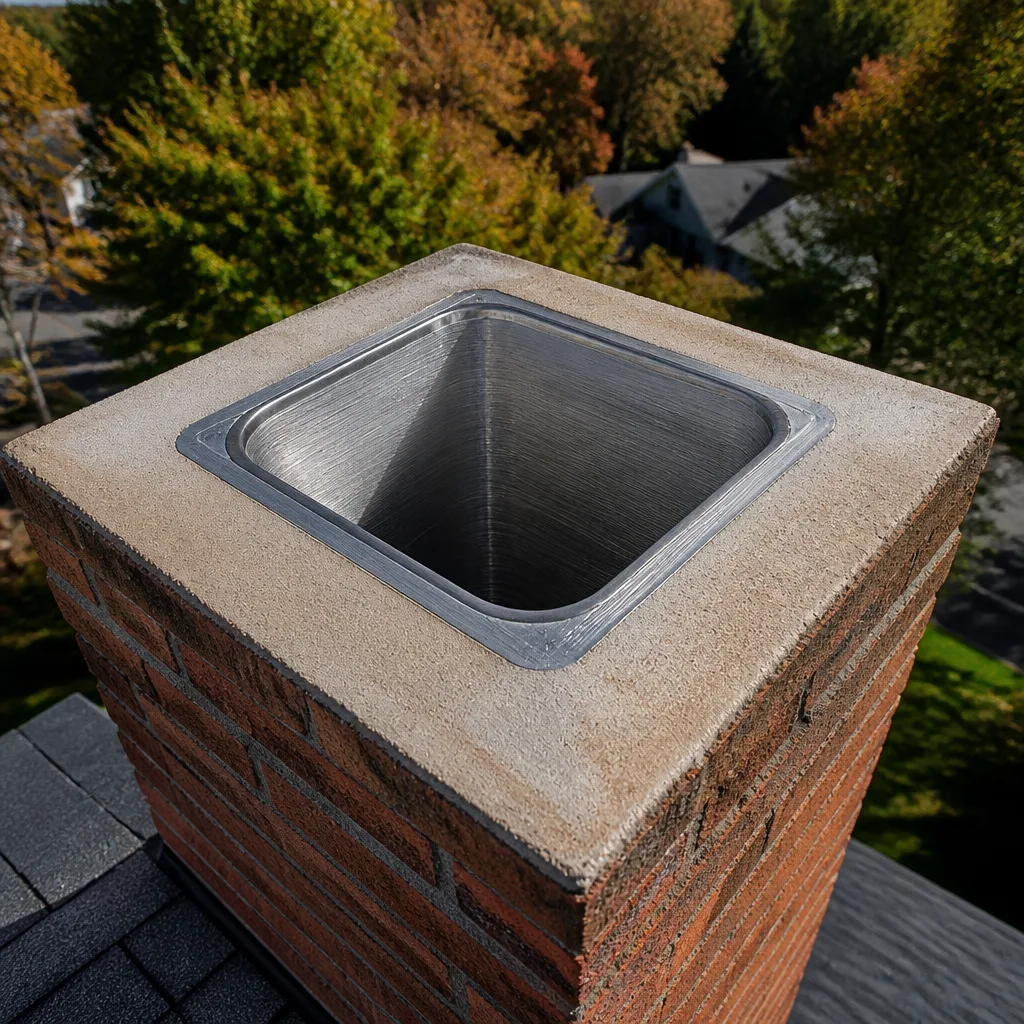 Flue relining
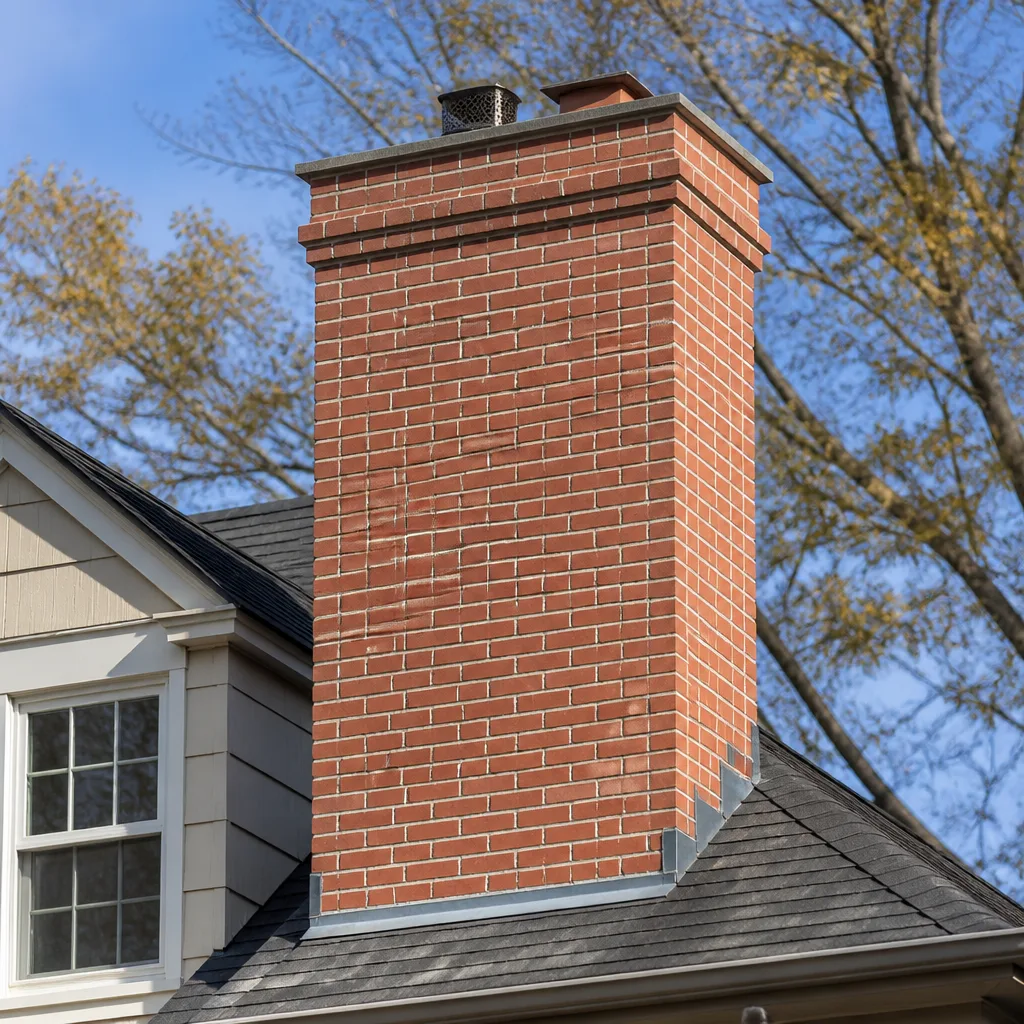 Masonry repair
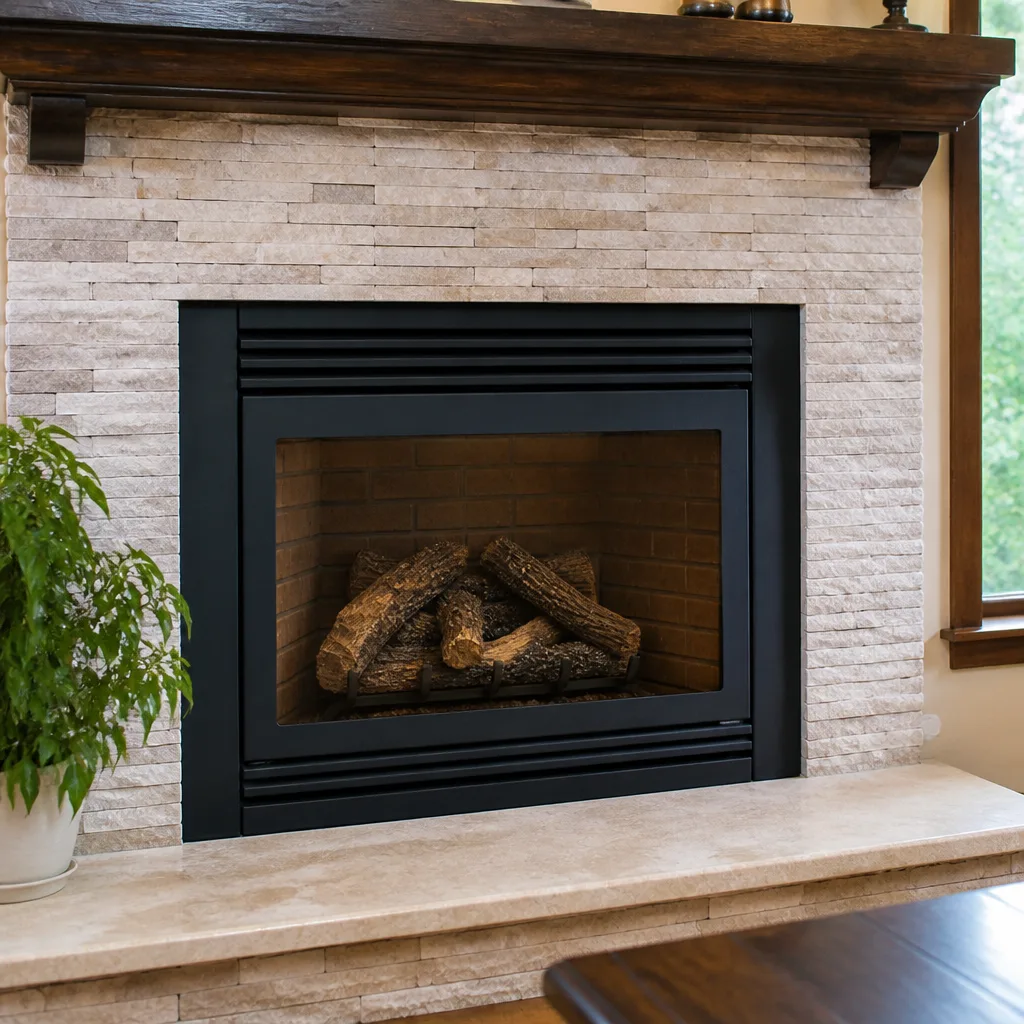 Gas fireplace service
Level 1 sweep and inspection to the NFPA 211 annual standard - flue, crown, cap, and flashing checked and photographed
Chimney sweep logs do not sweep chimneys. They loosen some creosote - which then falls where a brush and vacuum still have to collect it.
DIY vs Professional Chimney Cleaning: The Harvey Park Homeowner’s Decision Guide
You can buy a chimney brush kit online for around $40 and pull first-stage creosote out of your flue this weekend. That part is genuinely doable. What that kit will not tell you is whether your liner has a hairline crack, whether your smoke chamber is eroding into the flue, or whether your cap is quietly letting snowmelt into the crown every spring. In our experience around Harvey Park, the cleaning itself is the least valuable thing a professional delivers. The value is in what a trained eye finds while the flue is open. This guide walks through when DIY is a fair choice, where it creates false confidence, and how to run the actual cost comparison honestly.
Styles & brands we work with
- Sweep & inspection
- Caps & crowns
- Flue relining
- Masonry repair
- Gas fireplace service
Quick Answer
DIY chimney cleaning is appropriate only for a straight, accessible flue with light soot and no known liner problems, and only if you can inspect the flue as well as brush it. For most Harvey Park homes with a wood-burning fireplace or gas insert in regular use, professional cleaning is the better call because the truck-mounted camera, the liner assessment, and the cap and crown check reveal problems a consumer brush kit physically cannot reach. Budget the professional sweep as your annual baseline, and treat DIY as an optional mid-season touch-up only after a pro has cleared the flue.
Table of Contents
- The Honest Case for DIY Chimney Cleaning
- What DIY Kits Can and Cannot See
- Professional Tools vs Consumer Equipment
- The Real Cost Comparison: Equipment, Time, and Risk
- Colorado Liability and Insurance for Self-Performed Chimney Work
- Rental Properties: Why DIY Is Usually the Wrong Answer
- When DIY Between Professional Visits Makes Sense
- Where DIY Creates False Confidence
- Harvey Park Climate and What It Does to a Chimney
- Common Mistakes to Avoid
- When to Call a Professional
- Frequently Asked Questions
- The Bottom Line
The Honest Case for DIY Chimney Cleaning
We are a chimney company, so take this for what it’s worth: DIY chimney brushing is a real option for a narrow set of circumstances. If your flue serves an open wood-burning fireplace, the firebox is accessible from the room, the flue runs straight up with no offset, and a professional has inspected the liner within the last year and found it sound, then brushing out light soot yourself is not reckless. It is a maintenance chore, similar in spirit to changing your furnace filter.
What DIY genuinely accomplishes:
- Soot and first-stage creosote removal from an accessible flue with a standard round or square brush.
- Ash and debris clearing from the firebox floor and smoke shelf area.
- A visual check of the firebox interior, damper, and the bottom few feet of flue from the firebox opening.
- Surface soot reduction on the firebox walls, which you can then wipe down.
That is the whole list. Notice what is missing. DIY brushing does not assess liner integrity, does not evaluate the smoke chamber for erosion, does not check the crown for cracking, and does not measure whether your cap is pulling its weight. Those four items are where the real money sits in chimney ownership, and they are exactly what a homeowner cannot see from below.
In Harvey Park, the housing stock ranges from mid-century ranches to newer infill builds, and the chimney configurations differ widely. A 1950s ranch with an exterior masonry chimney has very different inspection needs than a newer home with a factory-built metal flue. Which type you have determines whether DIY brushing is even mechanically possible – and that determination is itself an inspection task.
What DIY Kits Can and Cannot See
A consumer brush kit sees about four feet of the flue, from the firebox opening upward, and only what a flashlight beam hits. Everything above that, and everything outside the flue, is invisible to you with a $40 kit and a ladder.
Here is a plain comparison of what each tool set can actually evaluate:
- Consumer kit, from the firebox: light soot level on the firebox walls, damper open/close function, the presence of obvious debris, the bottom of the flue.
- Consumer kit, from the roof: the flue crown condition from the top, the cap from above, and the flue opening diameter. Nothing inside the flue.
- Professional equipment: full-length flue video inspection, liner joint integrity, offset and elbow condition, smoke chamber shape and erosion, crown and cap condition, exterior masonry condition, and the connection point at the appliance or insert.
The gap is not about effort or skill. It is about access and equipment. A professional sweep uses a camera on a flexible rod that reads the entire flue length; a brush on a rope reads nothing. A professional also sweeps from the top down with weighted brushes sized to the flue, which is how a full-length clean actually happens, versus a homeowner working a brush up from the firebox and hoping.
What a camera reveals that a brush cannot:
- A cracked or separated liner tile or a seam failure in a stainless liner.
- Third-degree creosote glazed onto the flue wall, which a consumer brush will polish rather than remove.
- An offset or elbow where creosote accumulates out of reach of a straight brush.
- Smoke chamber erosion that lets flue gases bypass the liner.
- Water staining on the interior that signals a cap or crown leak.
Any one of those findings changes the maintenance plan entirely. None of them is visible from the firebox with a flashlight.
Professional Tools vs Consumer Equipment
The tool gap matters more than most homeowners expect. Consumer kits are built to a price and designed for light soot in a straight flue. Professional work uses commercial-grade components and the inspection gear that goes with them.
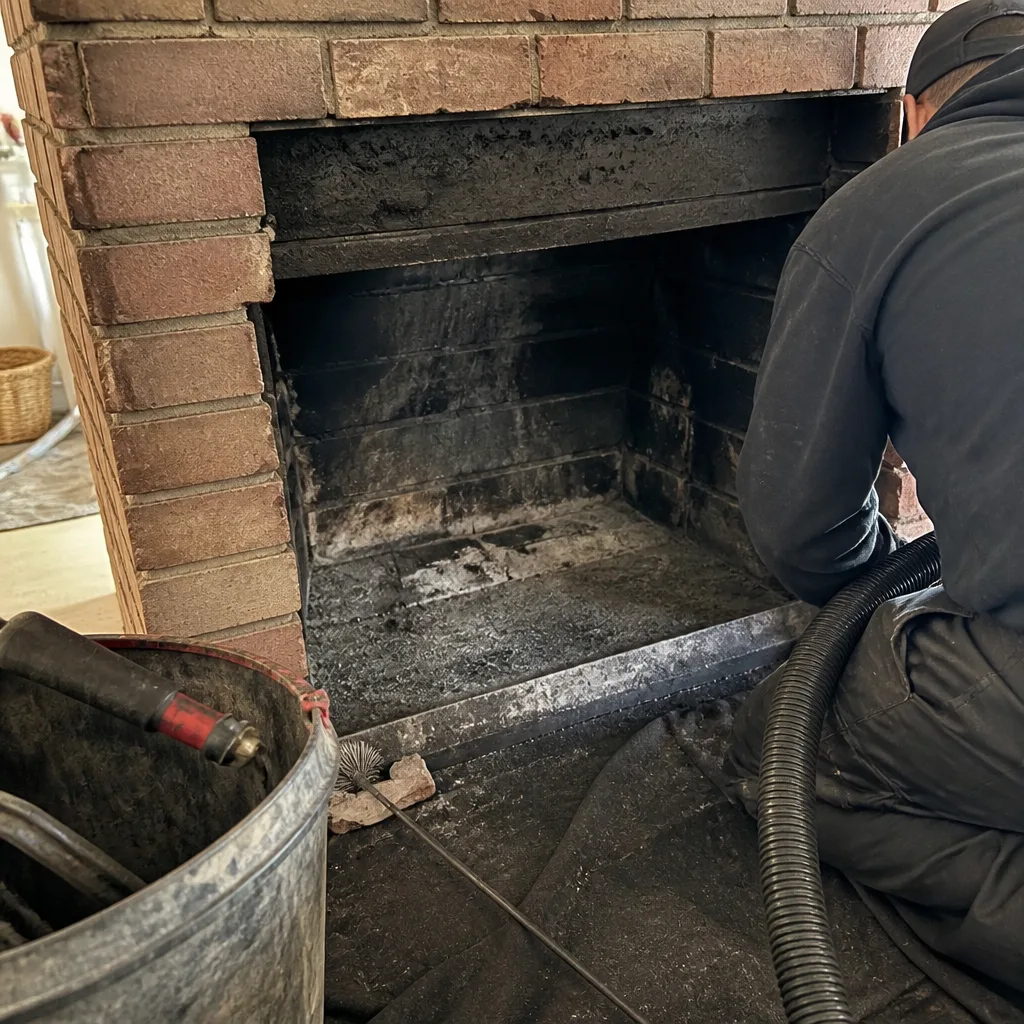
On the cleaning side, professional sweeps use weighted poly or wire brushes sized precisely to the flue, run on rods or ropes from the top, with a drop cloth and HEPA vacuum sealed to the firebox opening so no soot enters the room. On the inspection side, the camera is the difference-maker. On the repair side, the materials matter: our work uses professional-grade systems from DuraFlex, HeatShield, Gelco, and Olympia Chimney, and HeatShield in particular is a ceramic resurfacing system for lining that most brush-and-run operators never stock or offer.
That matters in this decision because the whole argument for hiring a professional is not the brushing. It is the assessment plus the repair capability to act on what the assessment finds. A consumer brush kit has neither.
If you do choose to brush your own flue, at minimum use a brush matched to your flue dimensions, work from the roof down with the firebox sealed off, and wear eye, lung, and hand protection. Soot is a respiratory irritant and creosote is a skin and eye hazard. And read the safety caveat below before you climb anything.
Safety note: chimney work involves ladders, roofs, and enclosed flues. Rooftop work, flue inspection above the firebox, and any liner or structural repair should be done by a trained professional. We do not recommend homeowners climb onto their own roofs to brush a flue. If a ladder or a roof edge is part of the job in front of you, that is the point to call a professional.
The Real Cost Comparison: Equipment, Time, and Risk
The cost comparison most homeowners run is “brush kit price vs. sweep price” and it is the wrong comparison. Here is the full ledger on both sides.
DIY, total cost of ownership:
- Brush kit and rods: $40 to $120, sized to your flue.
- Drop cloth, shop vac, respirator, goggles, gloves: $60 to $150 if you don’t already own them.
- Ladder access, roof time, and cleanup: two to four hours of your weekend, plus the risk of a fall.
- Soot cleanup inside the room, even with a drop cloth: an hour and a half more.
- Missed findings: unknown, and this is the real cost. A cracked liner found during a routine sweep is a modest repair. The same crack discovered after a chimney fire or after carbon monoxide has been entering the room is a substantially different number.
Professional sweep, typical scope:
- A full-length flue clean with the firebox sealed and negative pressure maintained.
- Camera inspection of the flue, smoke chamber, and cap and crown.
- A written report of what was found, with photographs or video the homeowner can see.
- An honest list of what needs repair now, what can wait, and what needs nothing.
The right framing: the sweep is an annual cost, and the camera inspection is what makes the sweep worth the money. The homeowner who brushes their own flue every year and never has the liner inspected is paying a smaller annual cost for a much larger unknown. One liner repair discovered early is usually cheaper than one liner repair discovered late, and it is always cheaper than the structural consequences of a chimney fire or a carbon monoxide event.
The other cost comparison is between professionals. A general handyman or HVAC company that treats chimney work as a side service is often cheaper than a dedicated chimney company, and the reason is materials and inspection depth. Ask any provider which product lines they carry and whether a camera inspection is included. If the answers are vague, that is the answer.
Colorado Liability and Insurance for Self-Performed Chimney Work
Colorado does not require a homeowner to hold a license to sweep their own chimney in an owner-occupied home. That is the simple legal fact, and it is why DIY is technically permissible. The complication is what happens after a self-performed cleaning that later contributes to a loss.
If a chimney fire or a carbon monoxide incident traces back to a maintenance condition a homeowner should reasonably have caught, an insurer can scrutinize the maintenance record. Policies generally expect a homeowner to maintain the property to a reasonable standard, and chimney maintenance is part of that standard. A refused or reduced claim is a much larger cost than the sweep it would have paid for. We are not insurers and we are not giving legal advice – if you want the definitive answer for your policy, read your policy and talk to your agent. What we can tell you is that a documented annual inspection is the cleanest possible record.
For rental properties, the picture is clearer and stricter. A landlord owes a tenant a safe dwelling, and chimney maintenance falls squarely on the property owner. A self-performed cleaning by the owner or a tenant leaves no professional record of the flue’s condition, which creates real exposure if a tenant later reports a problem. Most rental property owners and property managers we work with have the chimney inspected and cleaned professionally each year precisely for the documentation.
If you own a rental property in Harvey Park, hire the sweep and keep the report. That is the entire recommendation.
Rental Properties: Why DIY Is Usually the Wrong Answer
We separate this out because the reasoning is different from an owner-occupied home. When a landlord brushes the chimney, the work is undocumented. When a tenant brushes the chimney, the landlord has no idea it happened at all, how it was done, or whether the flue was assessed. Neither outcome gives anyone a defensible record.
The three reasons rental properties should use a professional sweep every year:
- Documentation of condition. A written inspection report from a sweep dates the flue’s condition and creates a maintenance trail.
- Protection of the landlord’s investment. A clogged or damaged flue in a rental is a repair the owner pays for regardless; catching it early keeps the number smaller.
- Tenant safety and the owner’s duty of care. A professional check of liner integrity, cap function, and draft is a safety baseline that a DIY brush cannot deliver.
For a rental in Harvey Park or nearby, the practical rule is straightforward: professional sweep and inspection annually, keep the report, and address findings in writing. That record protects the owner, the tenant, and the insurer relationship all at once.
When DIY Between Professional Visits Makes Sense
There is a middle path, and it works well if you understand its boundaries. DIY between professional visits makes sense in a few specific situations.
- After a heavy burn season. If you burned a lot of wood over a winter, a light top-down brush of an accessible, straight flue can reduce soot buildup before the next professional visit. Only do this if a pro has confirmed the liner is sound and access is safe.
- Ash removal and firebox cleanup. Emptying ash, wiping soot from the firebox walls, and clearing the smoke shelf area are safe homeowner tasks that make the next professional sweep more effective.
- Seasonal cap and crown eye-checks from the ground. With binoculars from the yard, you can spot obvious problems: a missing or bent cap, an obvious crack in the crown, visible staining on the exterior masonry. If you see any of those, call a professional.
- Visual checks of the firebox and damper. Look for cracks in the firebox brickwork, a damper that no longer seals, or soot streaks above the firebox opening. Any of those is a call, not a DIY fix.
What all four of these have in common: none of them replace the annual professional inspection, and none require climbing onto the roof. DIY between visits is a supplement, not a substitute. The annual professional inspection is the baseline that makes supplementing safe.
Where DIY Creates False Confidence
The most dangerous outcome of DIY chimney cleaning is not a bad cleaning. It is the feeling that the chimney has been handled. Here are the common ways that false confidence sets in.
“I brushed the flue, so the chimney is clean.” A homeowner brush reaches the top of the firebox and a few feet of flue. Creosote accumulates above that reach, particularly on offsets and elbows and at the top of the flue where temperatures cool. The visible firebox looks clean; the inaccessible flue may not be.
“I can see the liner, so it’s fine.” What you can see from the firebox is a few feet of the liner’s bottom. The rest of the liner, including joints and seams, is out of sight. Liner failure commonly starts at a joint, not at the bottom.
“The cap is still there, so the chimney is protected.” A cap that is present is not a cap that is working. A damaged screen, a partially collapsed cap top, a cap installed too close to the flue, or a crown that is cracked all let water in. Water damage to a chimney is often slower and more expensive than fire damage, and it is entirely invisible from the ground.
“My insurance covers fire, so I’m protected.” Insurance may cover a fire loss. It does not cover the inconvenience, the displacement, or the potential for a claim to be reduced when maintenance records are thin.
“The sweep costs more than the brush kit, so DIY is cheaper.” That comparison omits the inspection, which is what you would otherwise pay separately for, and omits the cost of a missed finding.
Harvey Park Climate and What It Does to a Chimney
Harvey Park sits in the Denver metro’s high plains, and the local climate puts specific pressures on a chimney that lowland or coastal homes do not face. Cold winters mean heavy burning seasons, and heavy burning means faster creosote accumulation. Freeze-thaw cycles through late fall and early spring work on masonry, opening small cracks in mortar joints and crowns that then let water in, freeze, expand, and open wider. The dry air most of the year means wood burns hot and fast; in a wet fall or a snowy spring, wood that was seasoned in summer can take on moisture, which cools the fire and increases creosote formation.
What this means in practice for a Harvey Park homeowner:
- Annual inspection is the right interval for most fireplaces in regular use, because the burn season is long enough to matter.
- Crown and cap checks matter more than they do in mild climates, because freeze-thaw damage compounds every winter.
- Liner condition deserves direct attention after any winter with a chimney fire or a heavy creosote year.
- Wood storage and seasoning matters here in a way it does not in warmer climates: wet wood is a creosote problem.
Harvey Park’s mid-century housing stock adds a wrinkle. Many of the original masonry chimneys in the neighborhood were built to older draft and clearance patterns and have had decades of freeze-thaw on the exterior masonry. Interior liner condition on those chimneys benefits from a camera look every year, because the exterior can look solid while the interior is not. If your home has an exterior masonry chimney and you have never had it inspected from the top down, that is a reasonable first call, regardless of DIY inclination.
Common Mistakes to Avoid
- Brushing a flue you have never had inspected. The brush can dislodge glazed third-degree creosote or damage a compromised liner. Get the inspection first, then brush if the pro clears it.
- Using a wire brush on a stainless liner. Wire brushes are for masonry flues. A stainless liner needs a poly brush matched to its type, and using the wrong brush can scratch or score it.
- Climbing onto a steep or snow-covered roof. Harvey Park roofs get snow and ice, and a slip is a serious fall. Rooftop work belongs to trained professionals with proper fall protection.
- Skipping the crown and cap check because the flue looks fine. Water damage from a failed crown is the leading preventable cause of expensive chimney repair, and it starts at the top, not the flue.
- Interpreting a clean-looking firebox as a clean chimney. The firebox is the smallest and most accessible part of the system. The flue above it is where creosote and liner wear actually happen.
- Burning wet or unseasoned wood to stretch a woodpile. Wet wood creates more creosote, which makes the next cleaning harder and the fire risk higher. Season your wood, covered, for at least a year before burning.
- Doing it yourself in a rental property. Without a documented professional inspection, a landlord has no defensible maintenance record, and that is a liability exposure the sweep fee does not justify.
When to Call a Professional
Call a professional immediately, without DIY in between, in these situations: you smell smoke in the room when the fireplace is not in use; you see soot streaks above the firebox or on the wall near the chimney; the damper no longer opens or closes cleanly; you notice water staining on the exterior masonry or in the firebox; you’ve had a chimney fire, even a small one; your carbon monoxide detector has alarmed; or it has been more than a year since the last inspection and you burn regularly. In each case, the condition in front of you is beyond a brush kit’s reach, and the right next step is a camera look by a trained sweep.
Chimney Sweep Harvey Park offers free estimates in Harvey Park. Call (866) 947-8503. We answer 24/7. Fast dispatch from 7am to 7pm, Sunday through Friday. A call outside dispatch hours is booked into the next opening, Sunday through Friday, 7am to 7pm. We handle the sweep, the inspection, and any chimney cap & crown work on the same visit, so nothing gets handed off.
Frequently Asked Questions
Yes, in narrow circumstances, and with real limits. DIY brushing is reasonable for a straight, accessible masonry flue that a professional has already inspected and cleared, and only for the soot and first-stage creosote a brush can reach. It is not reasonable for a flue with a known or suspected liner problem, an offset or elbow, a factory-built metal flue, or any chimney that has not been professionally inspected in the last year. If you’re not sure which of those you have, that uncertainty itself is the reason to book an inspection first. Call (866) 947-8503 for a free estimate – we’ll tell you honestly whether your flue is a fair DIY candidate or not.
The cleaning itself is similar in principle. The difference is the inspection and the repair capability behind it. A professional sweep includes a full-length camera inspection of the flue, the smoke chamber, and the cap and crown, with a written report of what was found. A consumer kit cleans only the reachable portion of the flue and assesses nothing. The professional sweep is priced for the cleaning plus the findings, not the cleaning alone. Call (866) 947-8503 for an exact quote – estimates are free.
Creosote accumulates faster than most homeowners expect, and the risk it creates grows with it. The specific risks are a chimney fire, carbon monoxide entering the living space through a failed liner or blocked flue, and water damage from a failed cap or crown that goes undetected for years. None of those are visible from the firebox, so skipping the inspection is not the same as skipping a cleaning: it’s skipping the only check that catches the conditions before they become expensive. Call (866) 947-8503 for a free estimate and an inspection you can act on.
Yes, though on a different schedule and for different reasons. A gas fireplace or insert still has a flue that needs inspection for venting, and gas inserts have specific venting requirements that a chimney inspector checks. The cleaning volume is usually lower than a wood-burning fireplace, but the inspection matters just as much. A gas flue with a venting problem is a carbon monoxide concern, so an annual check is the baseline. Call (866) 947-8503 to book an inspection.
For a wood-burning fireplace in regular use, annually for the inspection is the right baseline, and cleaning happens on the inspection’s findings. A homeowner who burns frequently, or who burns wood that isn’t fully seasoned, may need cleaning more often than once a year. A homeowner who burns lightly may need cleaning less often, but should still have the inspection annually because liner, cap, and crown condition change with the freeze-thaw cycle regardless of how much wood was burned. Call (866) 947-8503 for a free estimate.
In practice, yes, because the problem is documentation. When a landlord brushes a rental chimney, or a tenant does, no professional record of the flue’s condition exists. If a tenant later reports a problem, the property owner has nothing to show what was checked or when. The professional sweep produces a written inspection that creates a defensible maintenance trail. For a rental in Harvey Park or anywhere nearby, hire the sweep and keep the report. Call (866) 947-8503 for a free estimate.
The list that matters most: liner cracks and joint separations, smoke chamber erosion, third-degree creosote glazed onto the flue where a brush only polishes it, water intrusion staining on the interior, and cap or crown failures that let water in from the top. In our experience, the most common surprise finding is a cap or crown problem on a chimney whose firebox looked perfectly fine to the homeowner. That’s not a knock on the homeowner – it’s the geometry. The problems live above the firebox and outside the flue. Call (866) 947-8503 to see what your flue looks like from the top down.
Yes, on the same visit and with a single company responsible for the whole job. Our services cover cleaning, inspection, fireplace repair, cap and crown installation, and chimney repair including full relining. We work with professional-grade materials from DuraFlex, HeatShield, Gelco, and Olympia Chimney, and HeatShield ceramic resurfacing is available where the liner condition calls for it. There is no subcontractor handoff mid-project. To book a chimney sweep or an inspection, call (866) 947-8503 for a free estimate.
The Bottom Line
DIY chimney cleaning is a real option for a narrow slice of homeowners: a straight, accessible masonry flue, a recent professional inspection that cleared the liner, and a homeowner who understands that the brush only reaches part of the system. For everyone else – and that includes most Harvey Park homes with a wood-burning fireplace or gas insert in regular use – the professional sweep is the better annual investment because the cleaning is the smallest part of what it delivers. The camera inspection, the liner assessment, the cap and crown check, and the honest written report are the reason the sweep pays for itself. Get the inspection first. Then decide whether the brush is worth buying.
If you’re ready for a professional look at your chimney, Chimney Sweep Harvey Park offers free estimates. We answer 24/7 and dispatch from 7am to 7pm, Sunday through Friday. Call (866) 947-8503 and we’ll book your sweep and inspection with a camera report you can see for yourself. Chimneys are all we do, from your first Chimney Sweep Harvey Park visit through any repair the inspection turns up.
Written by the team at Chimney Sweep Harvey Park.
See the difference
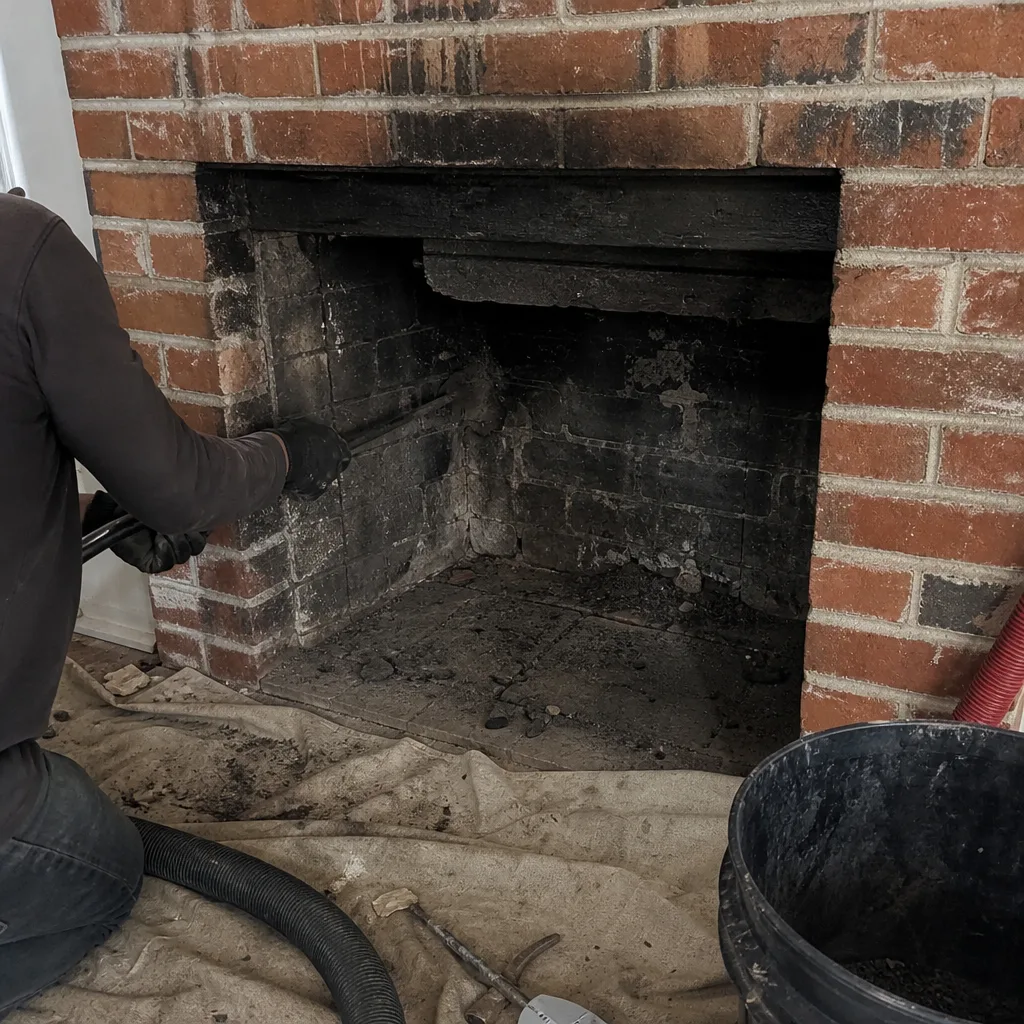 Before
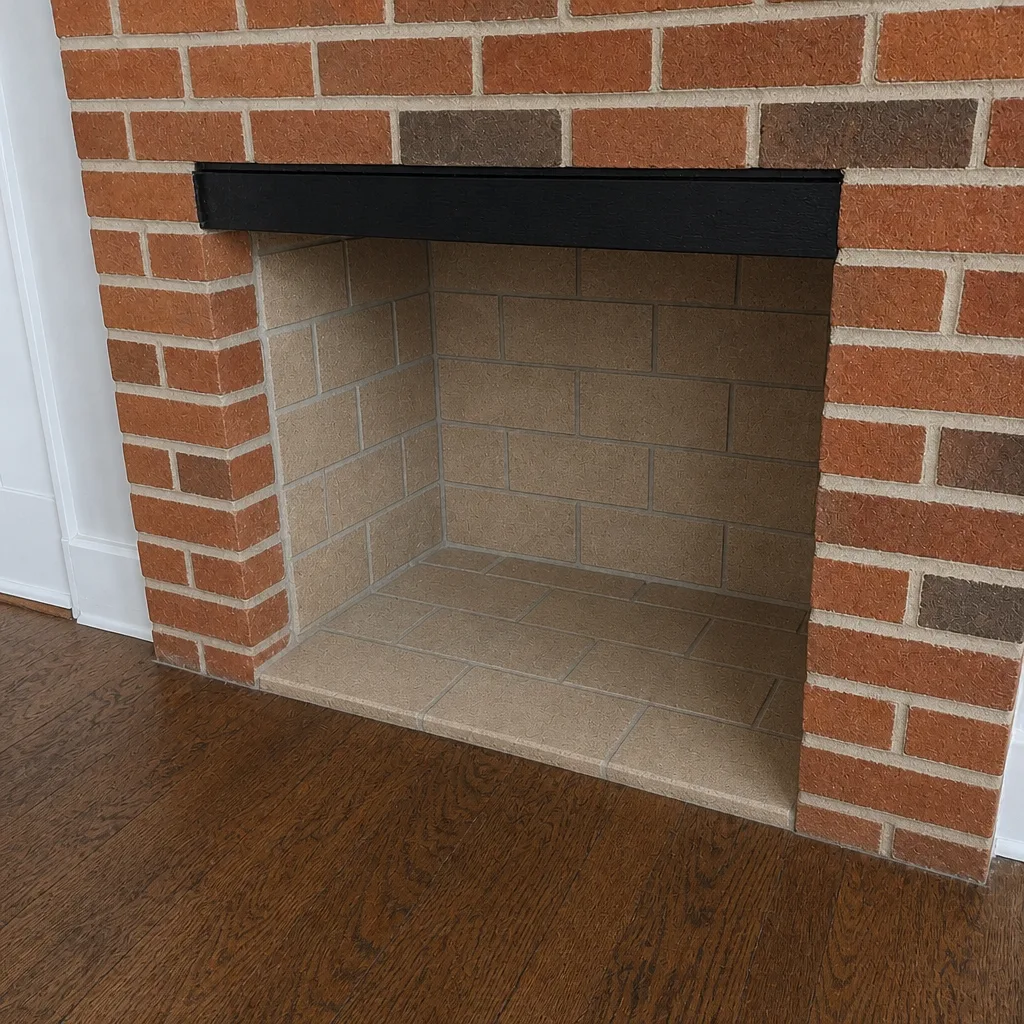 After
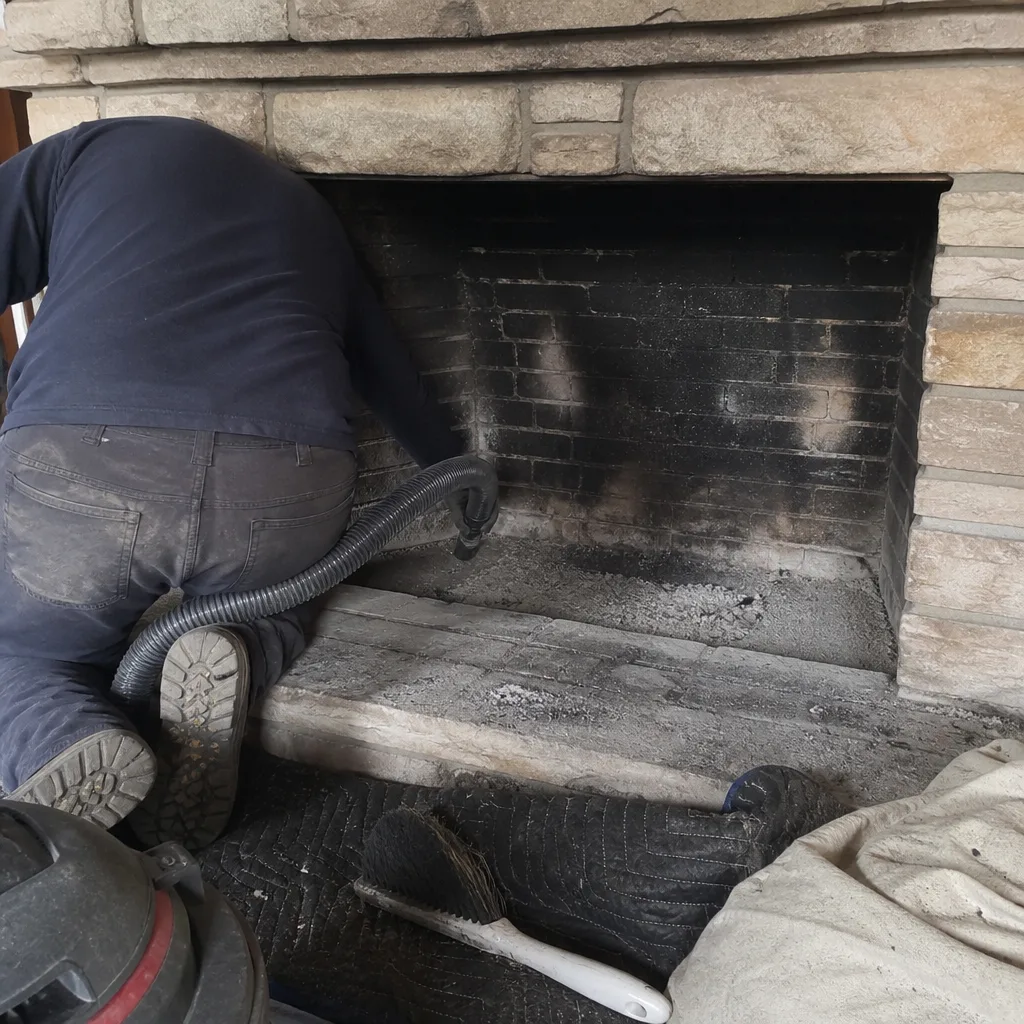 Before
 After
 Before
 After