
Last updated November 23, 2026
 Sweep & inspection
 Caps & crowns
 Flue relining
 Masonry repair
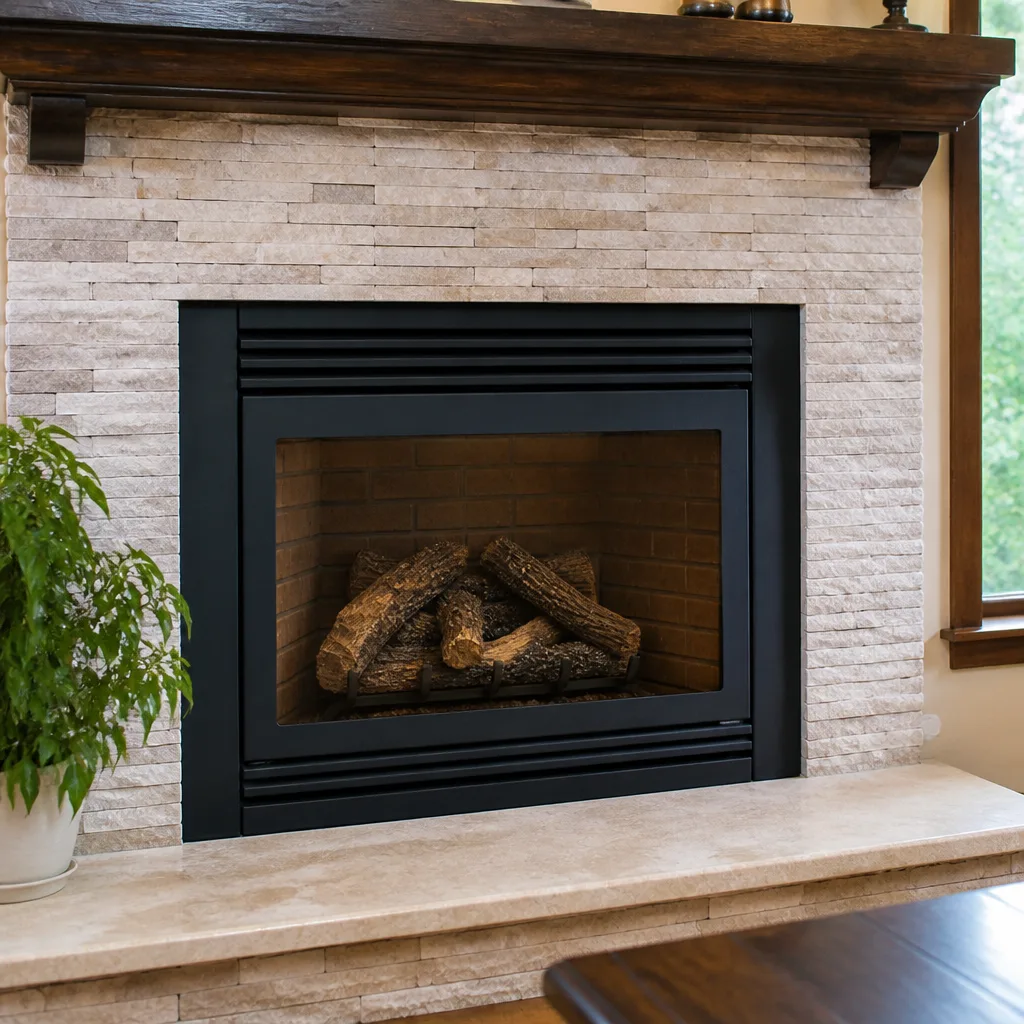 Gas fireplace service
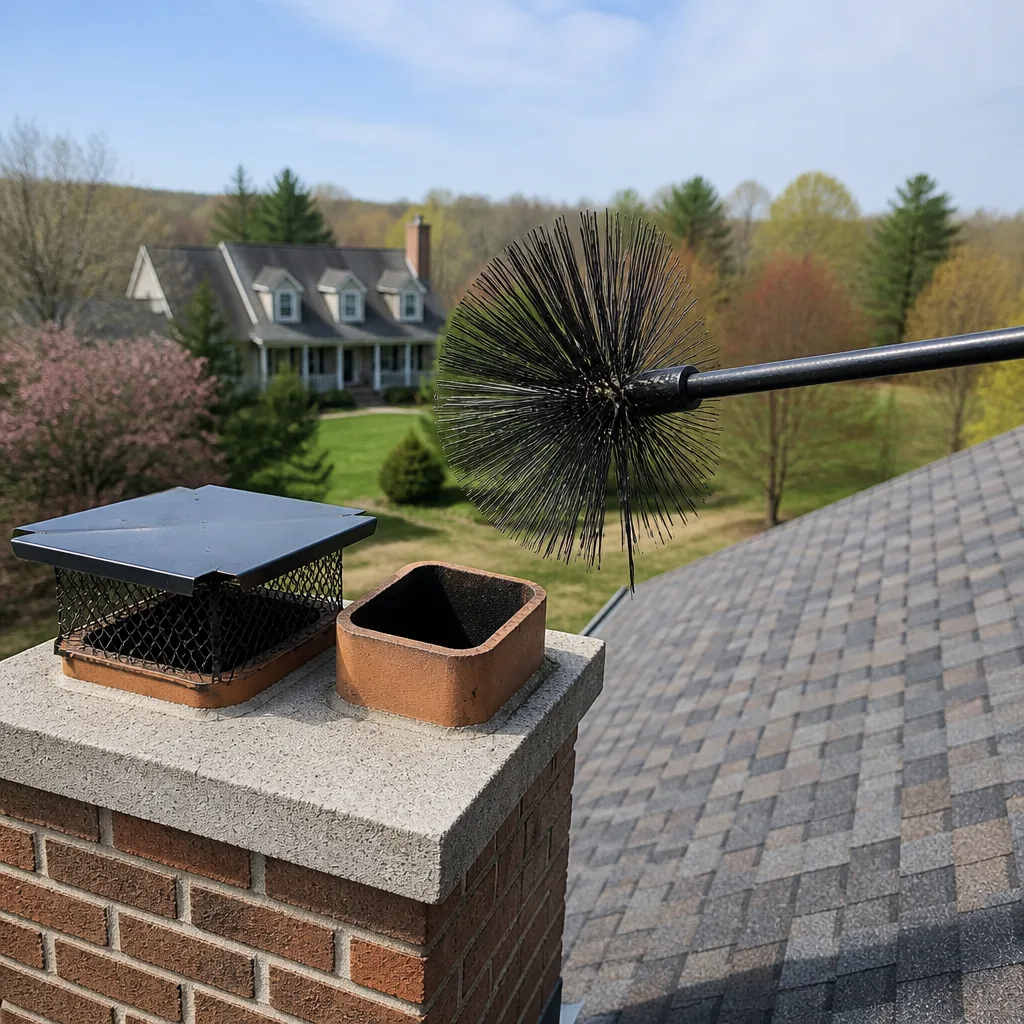
Level 1 sweep and inspection to the NFPA 211 annual standard - flue, crown, cap, and flashing checked and photographed
Chimney sweep logs do not sweep chimneys. They loosen some creosote - which then falls where a brush and vacuum still have to collect it.
Chimney Cleaning Cost Breakdown: The Harvey Park Homeowner’s Reference for 2026
A $99 chimney sweep offer almost always covers a Level 1 visual sweep of a single flue. The moment the technician finds anything beyond surface creosote, the add-on pricing starts, and homeowners have no framework to evaluate whether it’s fair. In Harvey Park, where much of the housing stock dates to the postwar building boom, that gap between the advertised price and the real invoice is where most budget surprises happen. This guide breaks down what a sweep actually includes, what legitimate add-ons cost, and how to tell an honest quote from a padded one before anyone climbs on your roof.
Quick Answer
Chimney cleaning in Harvey Park typically runs $150 to $350 for a standard Level 1 sweep of a single flue, with most homes landing near the middle of that range. The final number depends on how much creosote has built up, how accessible the flue is, and whether the technician finds a cap, crown, or damper problem that needs attention. The base price is rarely the whole story, so the line-item breakdown below shows what each additional service costs and when it’s genuinely needed.
Styles & brands we work with
- Sweep & inspection
- Caps & crowns
- Flue relining
- Masonry repair
- Gas fireplace service
Table of Contents
- What Does a Base Chimney Sweep Price Actually Include?
- Line-Item Pricing for Common Harvey Park Add-Ons
- How Harvey Park’s Housing Age Affects Your Chimney Bill
- Annual Service vs. Emergency Repair: The Real Cost Difference
- How to Get a Firm Quote, Not Just an Estimate
- The Three Inspection Levels and What Each One Costs
- When the Extra Work Can Safely Wait
- Common Mistakes to Avoid
What Does a Base Chimney Sweep Price Actually Include?
The base sweep price covers a Level 1 inspection and a mechanical cleaning of one accessible flue, and nothing more. That’s the plain answer most companies don’t put in writing before you book. A Level 1 inspection means the technician visually checks the readily accessible portions of the chimney and firebox, confirms the damper operates, and runs a brush and vacuum through a single flue from the firebox or the roof. It’s the routine annual service, and for a well-maintained fireplace it’s genuinely all you need.
What the base price does not include is the part homeowners discover on the invoice. In our experience the scope limits that get disclosed late rather than upfront are:
- Additional flues. A second flue for a furnace or a second fireplace is a separate cleaning, priced separately.
- Level 2 or Level 3 inspection. A video camera scan or a scan of concealed areas is a higher inspection tier.
- Roof access surcharges. A steep roof pitch or a chimney that’s hard to reach may change the labor estimate.
- Rotor sweeping or chemical creosote treatment. Glazed, tar-like creosote needs more than a standard brush.
- Any repair or resurfacing work the inspection turns up, from a missing cap to a cracked crown.
In Harvey Park, the housing age matters here. Many homes built in the 1950s and 1960s have masonry chimneys with original clay tile liners, and those liners have had decades to develop hairline cracks and spalled mortar joints. A sweep on one of these chimneys regularly uncovers something a newer home’s chimney won’t. That’s not a sales tactic; it’s a physical reality of older masonry. What matters is that the company tells you the scope limits before booking, then shows you what they find with a camera and a photo record. We sweep, inspect, repair, and reline, and the inspection comes with a camera scan and photo report so you can see the condition of your own flue.
Line-Item Pricing for Common Harvey Park Add-Ons
The services most commonly added to a Harvey Park sweep have fairly stable price ranges, and knowing them lets you sanity-check a quote before you agree to it. The figures below are typical estimates for the local market, not a menu of fixed prices. The written estimate always sets the final number for your specific chimney.
- Standard Level 1 sweep, single flue: $150 – $350. One fireplace, one flue, brush and vacuum, visual check.
- Level 2 video inspection: $250 – $500. Camera scan of the flue interior plus a written photo report, typically recommended before a home sale or after a chimney fire.
- Chimney cap replacement: $150 – $450 depending on the cap type and flue count. A correctly sized cap keeps water, birds, and debris out.
- Damper repair or replacement: $200 – $600. A damper that won’t seal sends heated room air straight up the flue.
- Smoke chamber parging: $400 – $900. Resurfacing the smoke chamber smooths rough mortar that catches creosote and restricts draft.
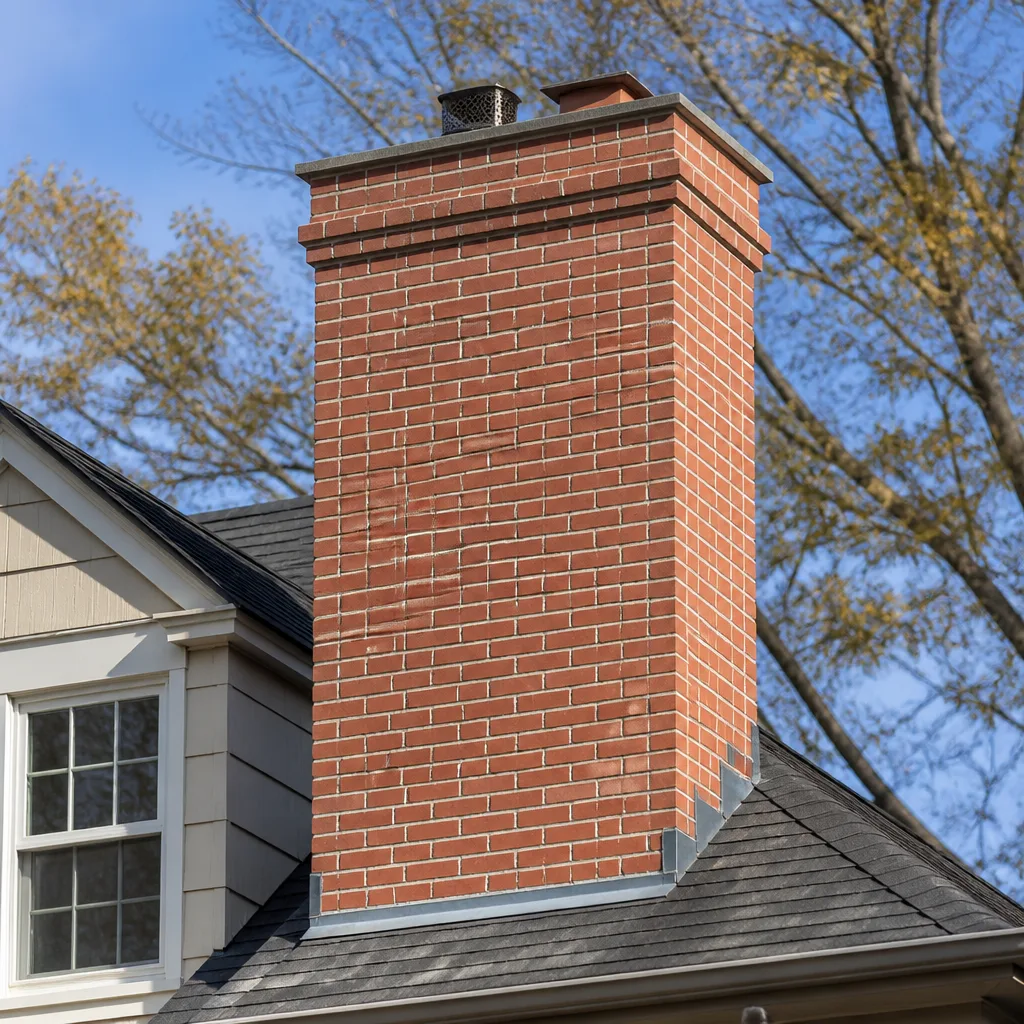
- Minor tuckpointing, mortar crown repair: $300 – $800 depending on how much masonry is involved.
- Crown rebuild: $600 – $1,200 when the crown is cracked through rather than hairline-checked.
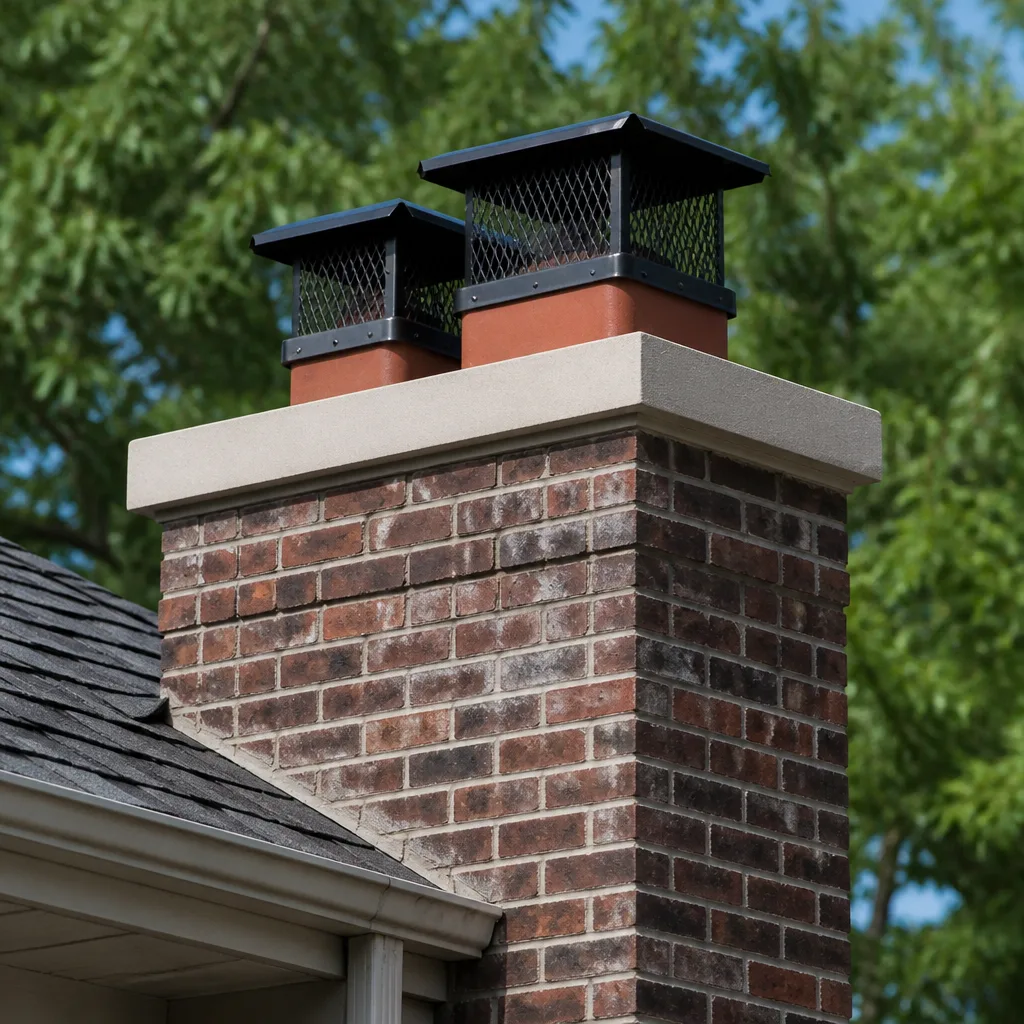
The chimney cap and crown work is worth calling out because these are the components that prevent the most expensive long-term water damage. A crown that’s cracked lets water into the masonry, and water in masonry freezes and spalls in a Colorado winter, which is how a small repair becomes a rebuild. We carry professional-grade caps and crown materials and treat this as a protective service, not an upsell. If you have a cap or crown question, that’s a legitimate place to spend money early. Ask us which liner system is right for your flue, too; we carry and install several, including DuraFlex and Olympia Chimney systems, so the recommendation follows the flue, not the inventory.
How Harvey Park’s Housing Age Affects Your Chimney Bill
A sweep in Harvey Park costs more on average than the same service in newer construction to the south and east, and the reason is the masonry itself. The neighborhood’s mid-century homes were built with clay tile liners and mortar that have had sixty-plus years of heating and cooling cycles. Clay tile cracks. Mortar joints erode. When a technician sweeps one of these chimneys, the creosote load combined with the liner condition often means more time on the roof and more findings in the report.
Newer construction in surrounding neighborhoods typically has a factory-built metal chimney with a stainless liner, and those chimneys are simpler to sweep because the flue is uniform and smooth. A standard sweep on that setup usually lands on the lower end of the range. The older masonry in Harvey Park often lands higher, and here’s what drives it:
- Creosote volume. Decades of fires in a wood-burning fireplace build up more creosote than a few seasons in a newer home.
- Liner condition. Cracked clay tile means the technician has to document the damage, recommend a repair, and possibly quote a reline.
- Access. Original roof lines and chimney placements in this neighborhood sometimes make for awkward roof access, which adds setup time.
- Adjacent findings. Crown cracks, cap damage, and mortar erosion are more common on older masonry and show up in the same visit.
The practical takeaway is that a Harvey Park homeowner should budget for the middle-to-upper part of the standard sweep range rather than the lowest advertised price. A quote that assumes a clean, newer flue and then discovers an older masonry chimney is a quote that’s about to change. It’s a fair process when the company tells you so upfront and shows you the evidence.
Annual Service vs. Emergency Repair: The Real Cost Difference
Catching a problem during your annual service costs a fraction of dealing with it after a chimney fire, and the gap is large enough to plan around. A routine sweep that flags a cracked liner early might lead to a HeatShield resurfacing job, which is a planned repair. Let the same crack go, and a chimney fire or a carbon monoxide event turns a planned repair into an emergency rebuild with a much larger bill and, far worse, a real safety risk.
The dollar difference is roughly this: a planned liner repair or resurfacing typically runs in the hundreds to low thousands of dollars, while a full reline after structural damage runs higher, and a rebuild after a fire runs higher still. The exact figures depend on your chimney, but the ratio holds. The chimney fire itself is the part that’s never worth the gamble. Creosote ignites at high temperature, and a fire in the flue can crack the liner, spread into the structure, and send combustion gases into the home. Carbon monoxide from a blocked or damaged flue is invisible and odorless, which is exactly why the annual inspection matters. We never scare-sell, and we’ll tell you plainly when work can wait. But a compromised liner is one finding that shouldn’t wait, and a camera scan lets you see the condition for yourself before you decide. Nothing gets recommended here without evidence you can look at. When the equipment is right for the job, we work with copperfield and gelco products alongside HeatShield; the point is the system that fits your flue, not one brand forced on every chimney.
How to Get a Firm Quote, Not Just an Estimate
A firm quote names the exact scope, the exact price, and the conditions under which that price changes, in writing, before any work begins. Most chimney pricing is an estimate because the technician can’t see inside the flue until the inspection is done. You can still get a firm number for the sweep and a written, itemized estimate for anything the inspection uncovers. Here’s the process that gets you there:
- Ask for the base sweep price in writing, with the number of flues and the inspection level spelled out.
- Ask what’s excluded: extra flues, roof access, chemical creosote treatment, and any repair labor.
- Ask whether the camera inspection and photo report are included or a separate charge.
- Ask for any recommended add-on to be quoted line by line, not bundled into a single “package” price.
- Get the written estimate before authorizing repair work. You should be able to say yes to the sweep on one visit and the repair on another.
Put all of this in writing, and keep it. A company that hesitates to itemize is telling you something. Chimney Sweep Harvey Park runs free estimates with a flat, written price for the sweep before work begins, and the estimate sets the final cost. If you want a starting point, our chimney sweep page lays out what’s included in a visit.
The Three Inspection Levels and What Each One Costs
The inspection level is the single biggest variable in a chimney bill after the sweep itself, and the three tiers exist for different situations. A Level 1 inspection is the standard visual check that comes with a routine sweep and covers readily accessible portions of the chimney. A Level 2 inspection adds a video camera scan of the flue interior and a written report, and it’s the tier to ask for when you’ve bought a home, changed the appliance connected to the flue, or had a chimney fire. A Level 3 inspection goes further, opening up concealed areas of the structure when a Level 2 finding needs a closer look, and it costs the most because it involves access work.
For most Harvey Park homeowners in an occupied home with a wood-burning fireplace, the annual routine is a Level 1 sweep. The Level 2 is worth requesting at a home sale, after a fire, or when the Level 1 turns up something the eye can’t resolve inside the flue. It’s also the inspection that matters for a masonry chimney in this neighborhood’s older homes, because the camera shows liner condition that a visual check from the firebox can’t. The report is what lets you decide on a repair with evidence instead of a guess.
This is also where a specialist operation differs from a generalist. A full-spectrum chimney company handles the sweep, the inspection, the cap and crown work, and any structural repair without handing the job off to a subcontractor mid-project. We do exactly that: one company from inspection through repair, with materials from DuraFlex, Famco, and the other professional-grade lines chimney engineers specify. If a repair is needed, you’re not starting over with a new crew that hasn’t seen your chimney.
When the Extra Work Can Safely Wait
Not every finding is urgent, and an honest guide says so. A chimney with a hairline crown check, a slightly stiff damper, or light surface creosote can often be scheduled for a future visit without endangering the home. The findings that should not wait are a cracked or missing liner, a blocked flue, heavy glazed creosote, a loose cap that’s letting water and animals in, and any sign of a chimney fire. Those are the line items worth acting on now.
The way to tell the difference is the camera evidence. If a company recommends a liner replacement, ask to see the interior of the flue on camera and the photos in the report. If the recommendation is a crown or cap repair, ask to see the crown. Nothing should be recommended without evidence you can see for yourself, and a good technician will welcome the question. When work can wait, we say so.
Common Mistakes to Avoid
- Booking on the lowest advertised number without asking what it covers. A $99 sweep is a Level 1 single flue, and the moment anything else is found the price moves.
- Not asking how many flues the quote covers. A home with a second flue for a furnace pays for a second cleaning, and that should be clear before the visit.
- Skipping the camera inspection on an older Harvey Park masonry chimney. The liner condition is the thing you most need to know, and the photo report is your record of it.
- Authorizing repair work before you see the evidence. Ask to look at the camera feed and the photos before you agree to anything.
- Treating a chimney cap or crown as cosmetic. Cracked masonry at the crown is how water gets in and freezes, and that’s a small repair becoming a large one. Our chimney cap & crown service exists for exactly this reason.
- Letting a generalist take the chimney work as a side job. A company that treats chimneys as a sideline may not carry the specialty materials a real repair needs, and a specialist will quote it correctly the first time. Our fireplace repair pages cover the full range.
- Waiting until spring to book your sweep. The seasonal crush means fall appointments fill first, and a chimney with a problem goes into the heating season unfixed.
See the difference
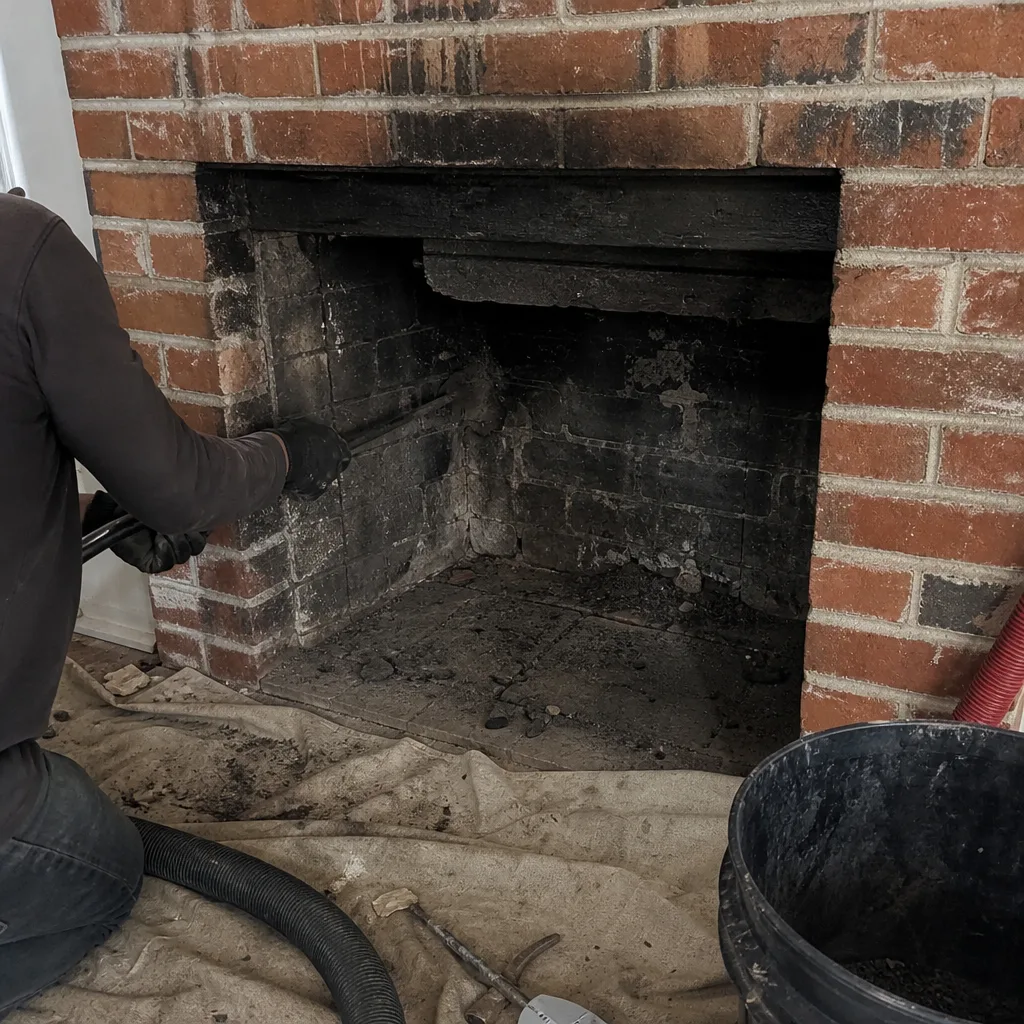 Before
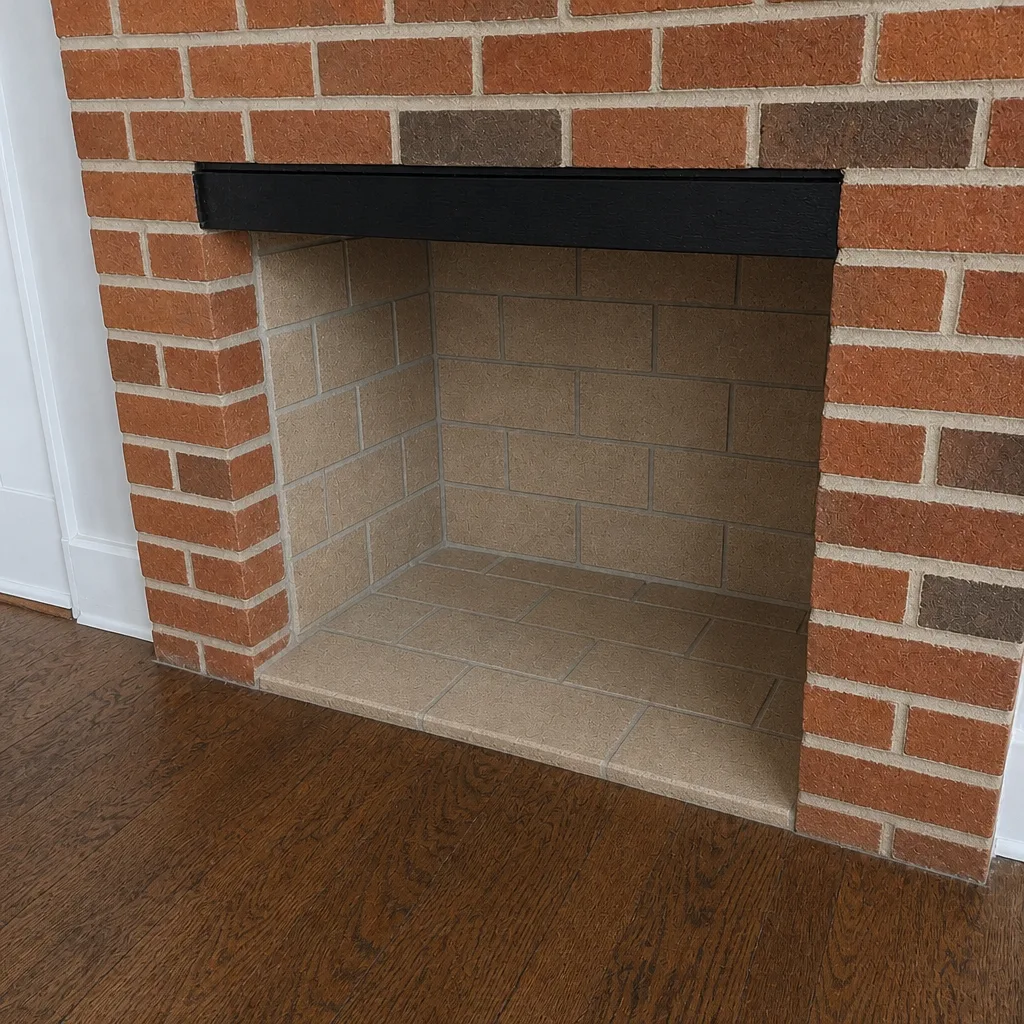 After
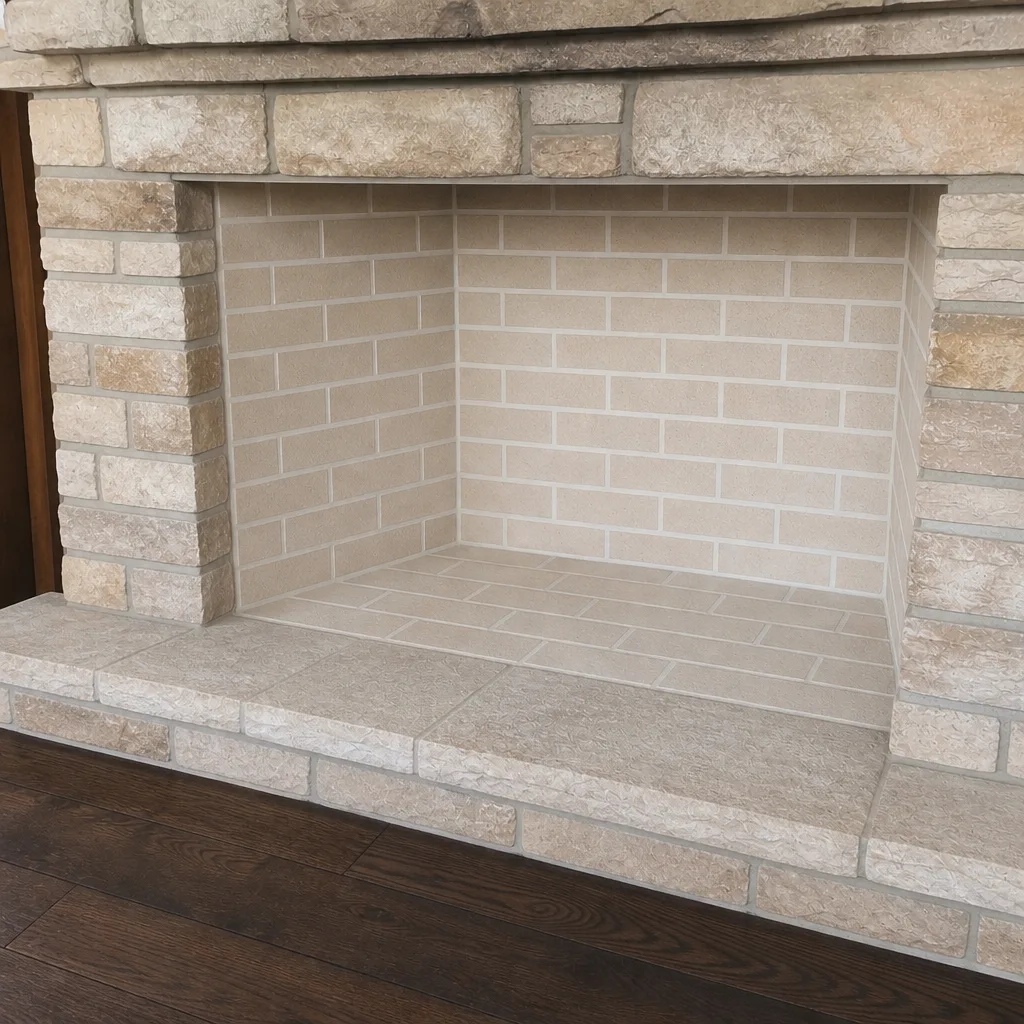
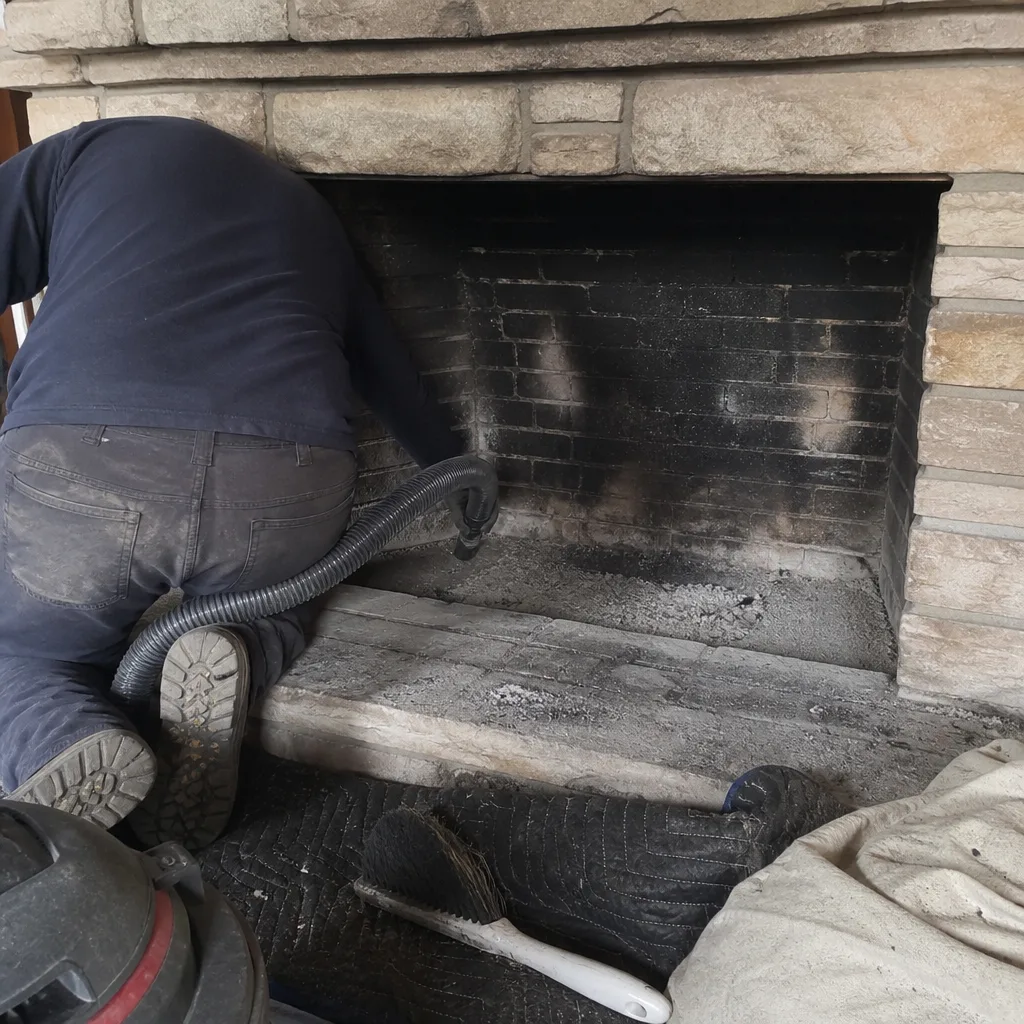 Before
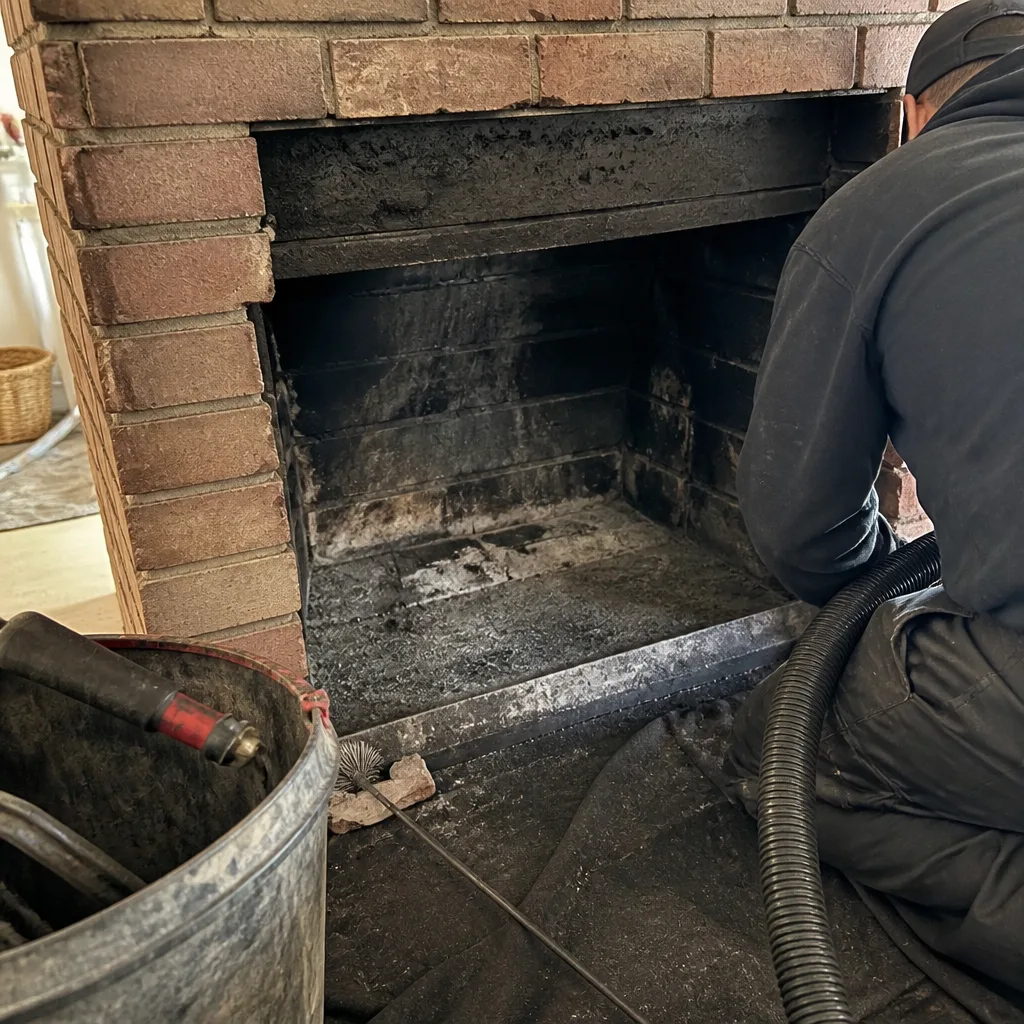
 After
 Before
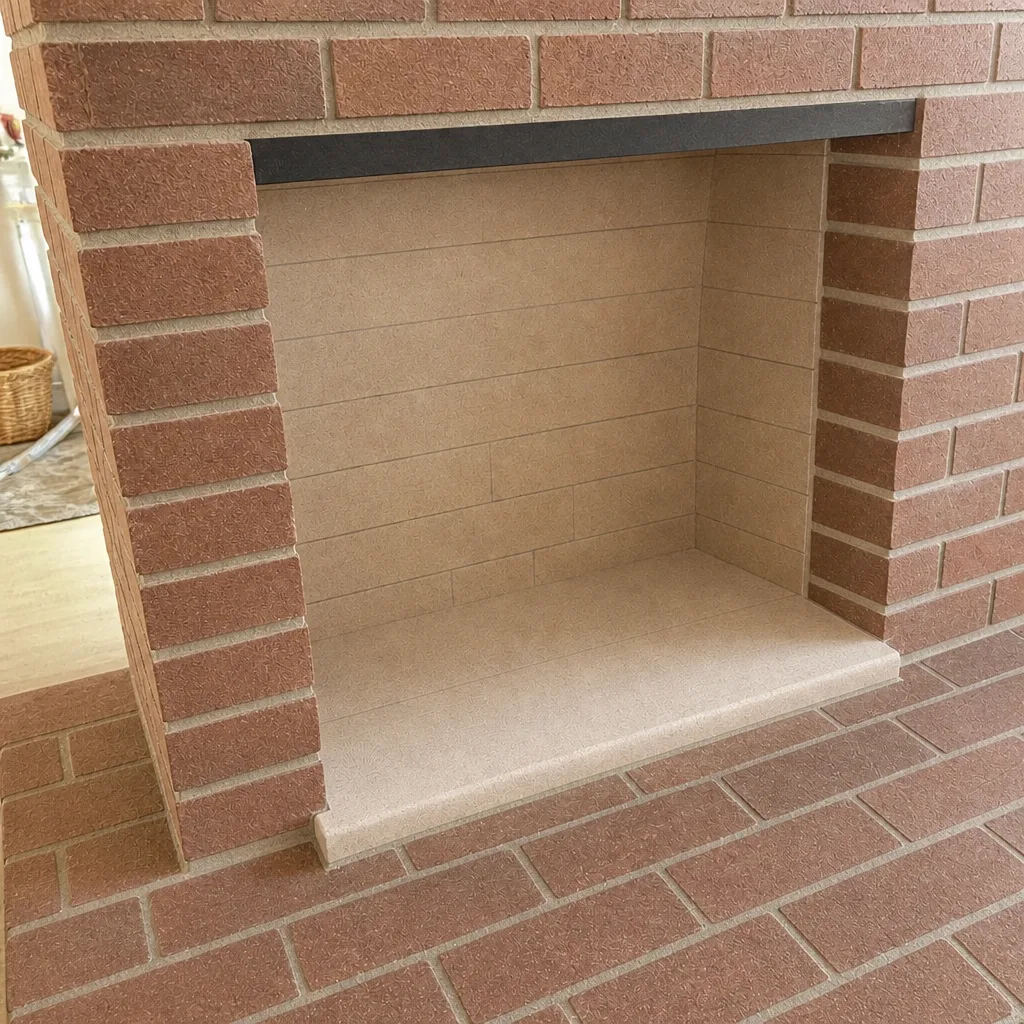 After
When to Call a Professional
Call a professional when your annual sweep is due, when you’ve just bought a home with a chimney, when you’ve changed the appliance connected to the flue, or when you notice any of the danger signs: a strong creosote smell, smoke backing into the room, a flue that’s blocked or hard to draw, visible damage to the cap or crown, or the aftermath of a chimney fire. These aren’t jobs to postpone or to hand to a general handyman. Our technicians have up to 8 years of experience and work only on chimneys. Chimney Sweep Harvey Park offers free estimates in Harvey Park; call (866) 947-8503 to book one.
Frequently Asked Questions
A standard Level 1 chimney sweep in Harvey Park typically costs $150 to $350 for a single flue, and most older masonry chimneys in the neighborhood land toward the upper part of that range. The written estimate sets the final price for your chimney. Call (866) 947-8503 for an exact quote; estimates are free.
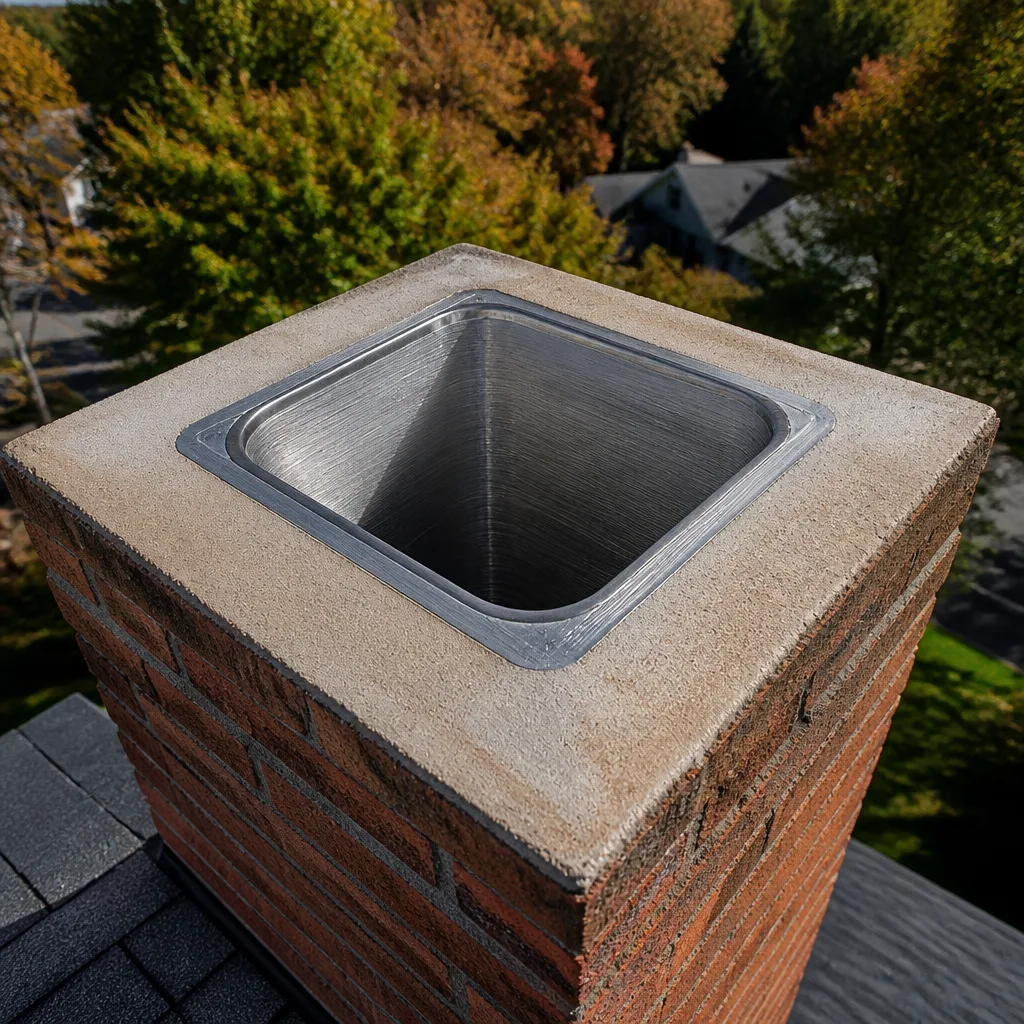
You need a new liner only if the interior of your flue is cracked, spalled, or otherwise compromised, and you should ask to see the camera evidence before agreeing. Many Harvey Park masonry chimneys can be repaired with HeatShield ceramic resurfacing rather than a full reline, which is a specialty most companies don’t offer. If a full reline is necessary, a DuraFlex system is one option we install. Call (866) 947-8503 to have your flue inspected first.
A chimney used regularly for wood burning should be swept once a year, and any chimney should be inspected annually even if it’s only used occasionally. For a gas insert, the schedule depends on the appliance and the flue, and the annual inspection is still the baseline. Call (866) 947-8503 to book your yearly service.
Skipping the annual sweep lets creosote accumulate, and creosote is the fuel that feeds a chimney fire; a blocked or damaged flue can also let carbon monoxide back into the home. The risk compounds with each heating season. Call (866) 947-8503 to get on the schedule before the cold season.
Older masonry chimneys in Harvey Park have more creosote history and more liner wear than newer factory-built chimneys, so a sweep takes longer and turns up more findings that need documenting. The added time and inspection work drive the higher end of the range. Call (866) 947-8503 and we’ll quote your specific chimney.
Not necessarily; the lowest quoted price usually covers only the base Level 1 sweep of a single flue and excludes the work your chimney may need, so the add-ons arrive after you’ve committed. Compare what each quote includes, not just the headline number. Call (866) 947-8503 for a written, itemized estimate before you decide.
The Bottom Line
The real cost of chimney service in Harvey Park is the base sweep plus whatever the inspection honestly turns up, and the base price alone tells you very little. A standard sweep runs $150 to $350, with older masonry landing toward the top of that range. Add-ons from caps and dampers to smoke chamber parging and tuckpointing carry their own line-item ranges, and a camera inspection with a photo report is how you verify each one. The single biggest saving is catching a liner problem at annual service instead of after a chimney fire. Get a written, itemized quote before work begins, and look at the evidence before you authorize a repair.
If you’re due for a sweep in Harvey Park or want a second opinion on a quote, call (866) 947-8503 for a free estimate. We answer 24/7. Fast dispatch from 7am to 7pm, Sunday through Friday. One crew handles the sweep, the inspection, and any repair, with materials from the industry’s professional lines.
Written by the team at Chimney Sweep Harvey Park.