
Last updated November 23, 2026
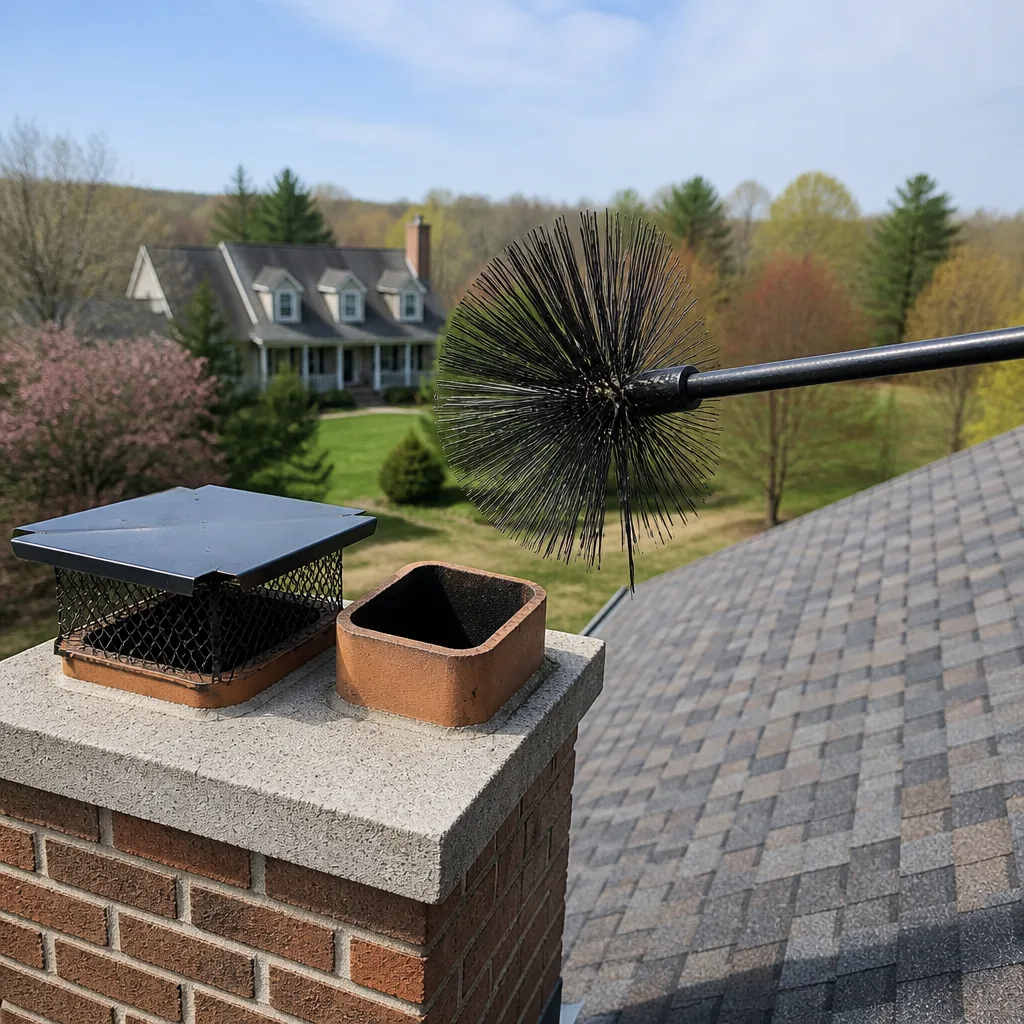 Sweep & inspection
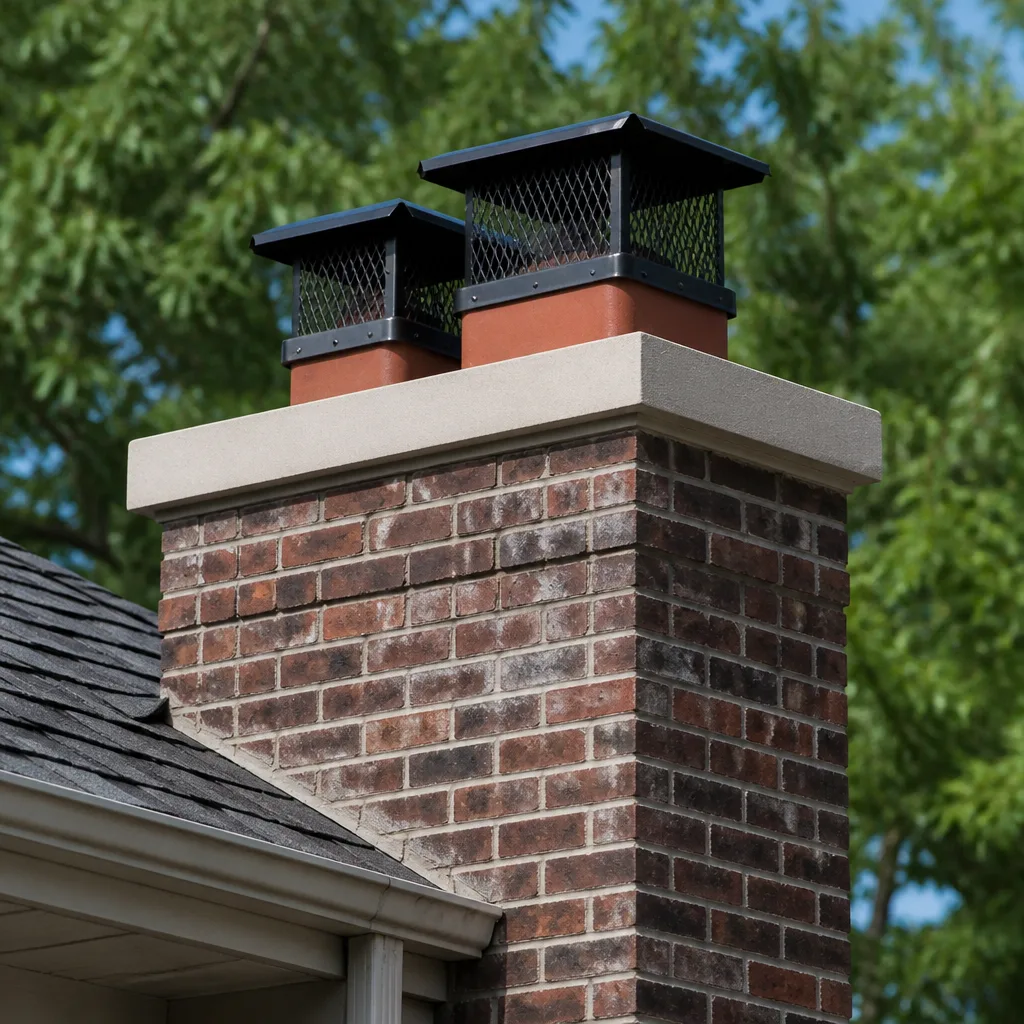 Caps & crowns
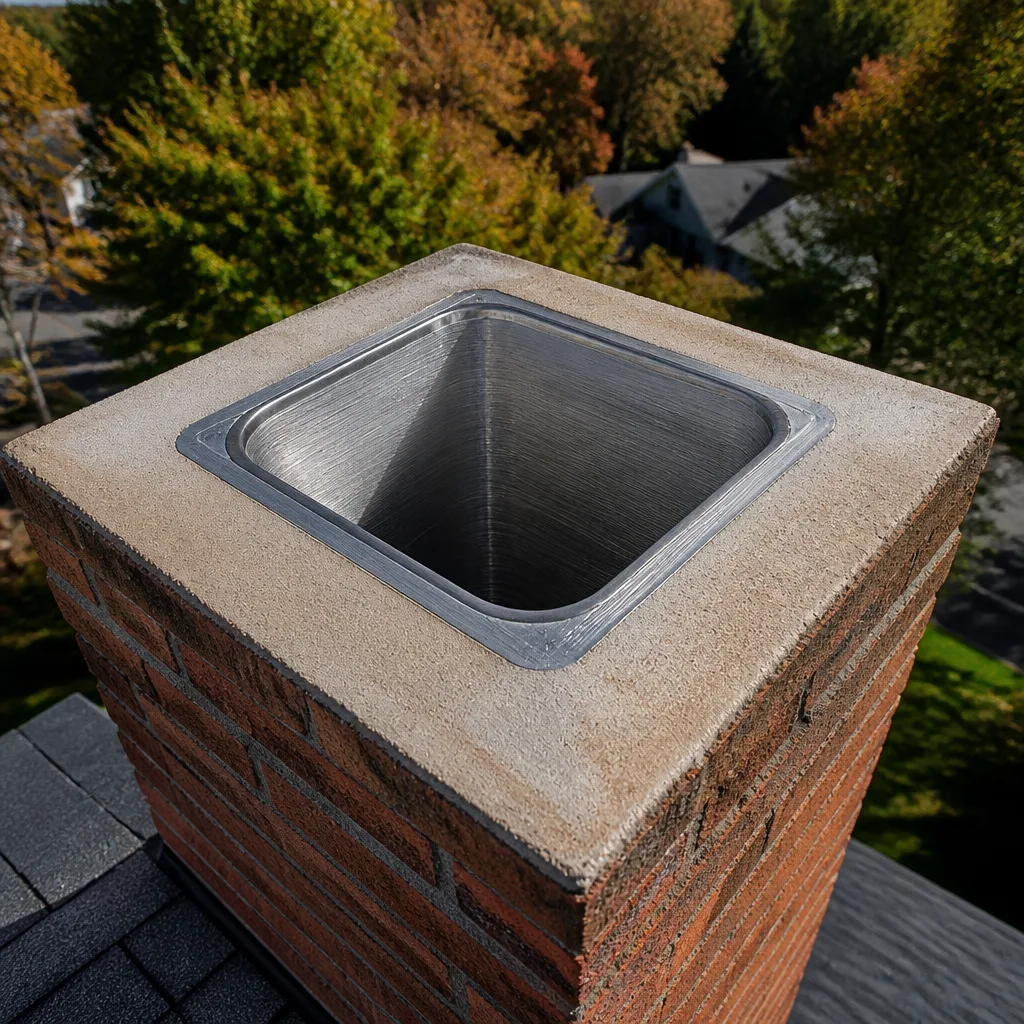 Flue relining
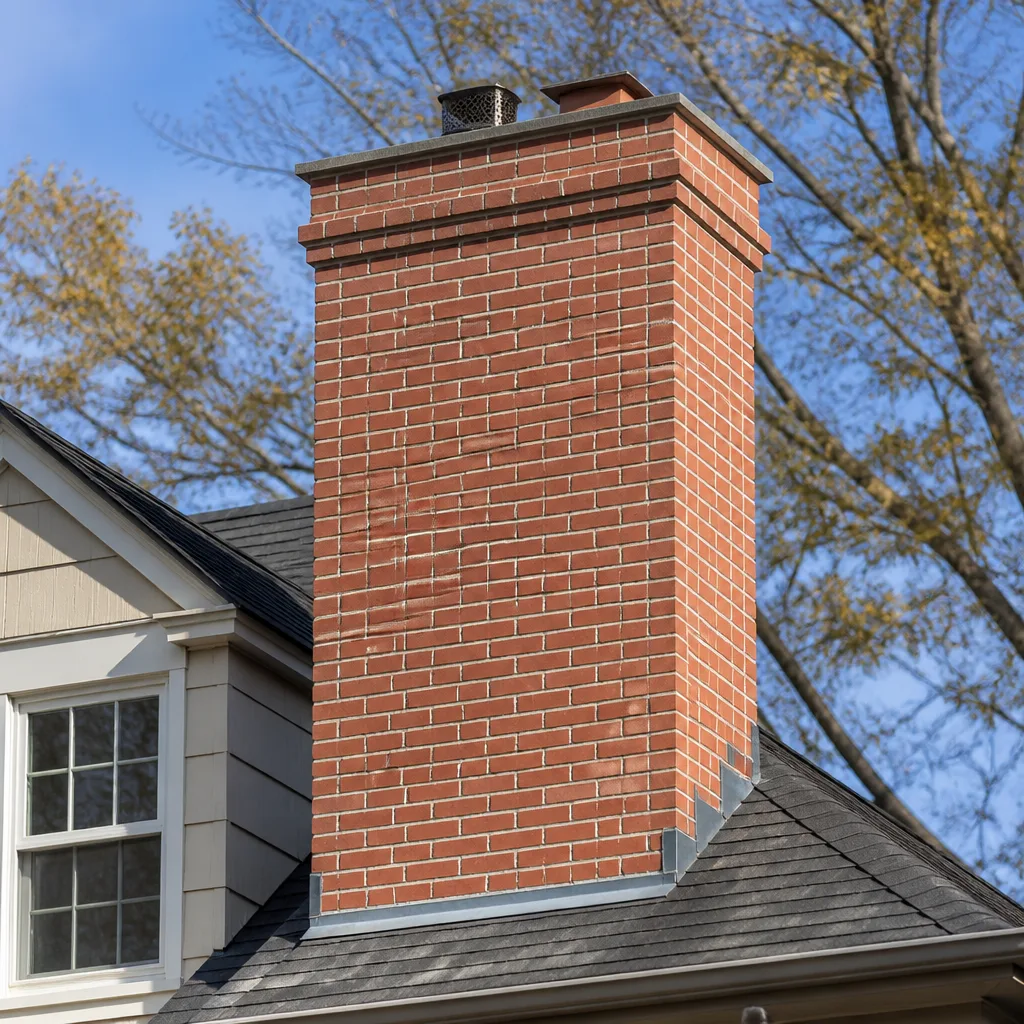 Masonry repair
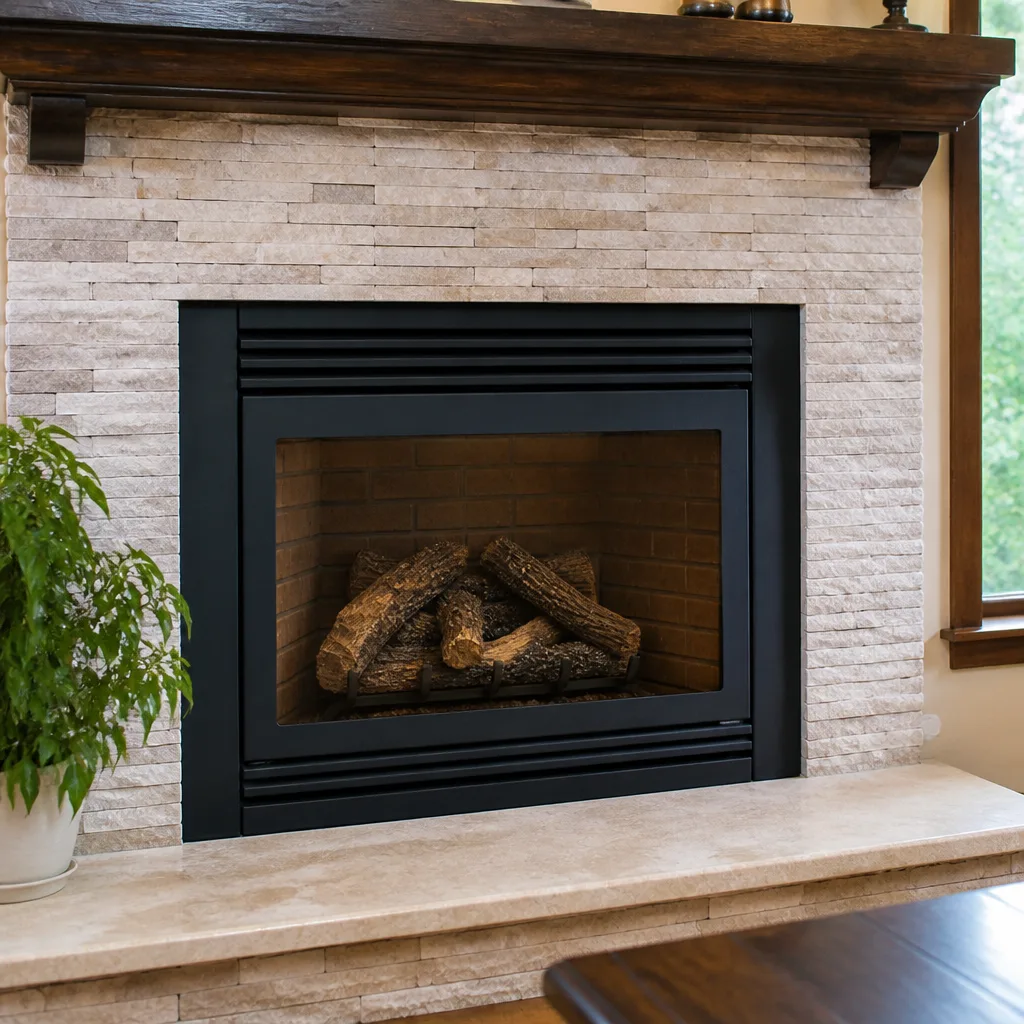 Gas fireplace service
Level 1 sweep and inspection to the NFPA 211 annual standard - flue, crown, cap, and flashing checked and photographed
Chimney sweep logs do not sweep chimneys. They loosen some creosote - which then falls where a brush and vacuum still have to collect it.
Seasonal Chimney Cleaning Care for Harvey Park: Year-Round Homeowner’s Guide
Most Harvey Park homeowners call for a chimney sweep in the second week of October, right when the first cold snap hits and everyone remembers the fireplace at the same moment. That’s the worst week of the year to need one. The best window is one almost nobody uses: late August through mid-September, before the season starts and while schedules are still open. This guide maps Harvey Park’s actual climate – late snow, hard freeze cycles, intense high-altitude sun – to a chimney care rhythm built around those conditions. You’ll learn when to sweep, what to check after winter, what to do in summer, and how much wood you can burn before you need a mid-season look.
Quick Answer
The best time to schedule a chimney sweep in Harvey Park is late August through mid-September, ahead of fireplace season and before autumn booking fills up. A second check belongs in spring, once snowmelt is done, to catch freeze-thaw damage to the crown and masonry. If you burn more than three cords of wood in a winter, book a mid-season inspection in January. Year-round chimney care in this climate means three touchpoints: pre-season sweep, post-winter inspection, and a summer cap and crown check.
Styles & brands we work with
- Sweep & inspection
- Caps & crowns
- Flue relining
- Masonry repair
- Gas fireplace service
Table of Contents
- Why Harvey Park’s Climate Sets Its Own Chimney Schedule
- The Optimal Fall Sweep Window (And How to Lock It In)
- What Spring Snowmelt Does to Crowns and Masonry
- Summer Chimney Care: The Off-Season Checklist
- How Harvey Park’s Burning Pattern Affects Creosote
- The Mid-Season Checkup: When Three Cords Means Something
- Your Year-Round Chimney Calendar
- Signs Your Chimney Needs Attention Now
Why Harvey Park’s Climate Sets Its Own Chimney Schedule
Generic chimney advice assumes four gentle seasons and a slow ramp into winter. Harvey Park doesn’t work that way. Sitting on the west side of the Denver metro at elevation, this neighborhood gets a climate pattern that stresses a chimney in specific, predictable ways – and that pattern is the reason a cookie-cutter maintenance calendar doesn’t fit here.
Three forces do most of the work:
- Late-season snow. Snow that arrives in spring and sits on a chimney crown, then melts and refreezes, is harder on masonry than a deep January freeze. Water gets into a hairline crack, expands overnight, and widens it.
- Hard freeze-thaw cycles. Harvey Park swings above and below freezing repeatedly through late fall, winter and early spring. Each swing works on any crack, joint or mortar line that already has a weakness.
- Intense high-altitude UV. Summer sun at this elevation breaks down sealants, flashing compounds and the surface of a crown faster than most homeowners expect. A crown that looked fine three summers ago can be chalky and cracked now.
What that means for scheduling is straightforward. A chimney in Harvey Park takes its worst beating between the last snow and the first hard freeze, not during the coldest week. The maintenance rhythm that protects it has to address water intrusion and freeze damage, not just creosote. That’s the thread running through every section below.
One more local factor: Harvey Park’s housing stock includes a lot of mid-century homes, many with original masonry chimneys that have been through decades of these cycles. Those chimneys reward a homeowner who inspects annually and punishes one who waits for a visible problem. If you’re unsure where your chimney stands, a professional chimney inspection gives you a documented starting point.
The Optimal Fall Sweep Window (And How to Lock It In)
Late August through mid-September is the sweet spot for a chimney sweep in Harvey Park. The reasoning is practical, not arbitrary.
By late August, last winter’s creosote has had all summer to harden and stabilize, so a sweep clears it cleanly. The firebox and flue are dry after the summer. And critically, you’re ahead of the October surge, when the first cold snap triggers a flood of calls and the calendar tightens within days.
A pre-season sweep in that window does three things at once: it removes the creosote load from last season, it lets an inspection happen while there’s still time to schedule any repair before you want to burn, and it confirms the flue is clear before the first fire.
Here’s how to lock in the window:
- Book in early-to-mid August. That’s when late-August and September slots are still open. Waiting until you feel the first chill usually means waiting weeks.
- Have your wood ready and dry. Seasoned wood that’s been split and stacked for months burns hotter and cleaner than green wood, and cleaner burning means slower creosote buildup through the season.
- Ask for a sweep and inspection together. A sweep without a look at the flue, cap and crown only tells you half the story. Combine them so one visit covers cleaning and condition.
- Get any needed repair on the schedule before October. If the inspection turns up a cracked crown or a cap that needs replacing, you want that work done in September, not the week you’re ready to light a fire.
Our chimney sweep visits are built around exactly this: a cleaning that also documents what we find, so you know where your chimney stands heading into the season. We work with professional-grade systems like DuraFlex and HeatShield, the same materials chimney engineers specify, so if the inspection points to a repair, the fix is done right and done once.
What Spring Snowmelt Does to Crowns and Masonry
The most damaging water a Harvey Park chimney sees isn’t from a summer storm. It’s from snow melting on the crown and masonry as temperatures climb in spring, then refreezing overnight when the temperature drops back below freezing. That melt-refreeze loop is the single biggest driver of crown and masonry damage in this climate, and it’s why a post-winter inspection matters more here than generic advice suggests.
Here’s what happens. Water finds any small crack, loose mortar joint or gap around the flashing. During a warm afternoon it seeps deeper. Overnight, it freezes and expands, prying the crack open a little more. Repeat that cycle through a Colorado spring and a hairline crack becomes a real opening. Once water is getting into the masonry, it can migrate toward the flue and interior structure.
A post-winter inspection should specifically check:
- The crown – the concrete cap at the top of the chimney – for cracks, spalling and separation from the flue.
- Mortar joints between the bricks, especially on the side that gets the most sun and thaw.
- The flashing where the chimney meets the roof, for lifted edges or deteriorated sealant.
- The cap and its spark screen for winter damage.
- The firebox and damper for any moisture that found its way in.
The crown is where this inspection earns its keep. A crown is a chimney’s roof – it’s the protective surface that sheds water away from the masonry below. When it cracks, water goes straight into the structure. Chimney chimney cap & crown work is a specialty for us because getting this component right prevents the most expensive long-term damage. A crown or cap installed correctly today prevents a costly rebuild later.
If you had a lot of snow sit on your roof this past winter, or you noticed ice forming at the top of the chimney, a spring inspection is worth scheduling. Freeze-thaw damage caught early is a repair; caught late, it’s a rebuild.
Summer Chimney Care: The Off-Season Checklist
Summer is the season most homeowners forget their chimney exists. That’s a mistake in Harvey Park, because summer is when the real threats are quiet: UV breakdown of sealants, animals moving in, and water sitting unnoticed. The chimney isn’t in use, but it’s still taking damage. A short summer checklist closes those gaps.
- Inspect the cap and spark screen. A missing or damaged cap is an open door to water, birds, squirrels and raccoons. If the screen is torn or the cap is loose, it needs fixing before fall.
- Check for animal intrusion. Birds nest in flues, and squirrels and raccoons get into uncapped chimneys. A nest in the flue is both a blockage and a fire risk. If you hear scratching or see debris in the firebox, get it looked at before you burn.
- Look at the crown surface. Summer UV does its damage quietly. A crown that’s chalky, cracked or flaking needs attention now, before fall rains and winter freezes work on it.
- Confirm the damper operates. A damper that’s stuck open lets conditioned air escape all summer; one that’s stuck closed is a problem the first cold night. Check it now while it’s easy to address.
- Keep the roof clear around the chimney. Debris and vegetation piled against the chimney hold moisture and invite pests. Clear it back and keep the flashing visible so you can see problems.
Chimney cap and crown specialization matters here because these are the protective components that prevent the most expensive long-term water damage – and they’re exactly what summer neglect takes out. We carry professional systems including Copperfield and Gelco, so a cap or crown issue found in summer gets resolved with the right materials, not a temporary patch.
If you’re not comfortable getting on the roof to check the crown and cap, that’s fine – height work is genuinely dangerous and best left to someone trained for it. A summer inspection visit handles all of it safely.
How Harvey Park’s Burning Pattern Affects Creosote
Creosote is the tar-like residue that forms when wood smoke cools in the flue, and how fast it accumulates depends on how hot and how often you burn. Harvey Park’s climate shapes both, and that changes the creosote math compared to milder regions.
Here’s the pattern. Because this area gets real cold stretches, homeowners tend to burn consistently and hot through the core of winter, which is actually good for creosote – a hot, well-ventilated fire produces less of it. The problem shows up at the shoulders of the season. Cool spring and fall evenings invite small, smoldering fires with the damper partly closed. Those low, slow, smoky fires are the creosote factories. They send cool smoke up a cool flue, and that’s when the deposits build fastest.
Three factors drive accumulation rate in Harvey Park specifically:
- Shoulder-season smoldering. The cool evenings before and after deep winter encourage small fires that burn inefficiently.
- Wood moisture. Green or damp wood burns cooler and smokier, depositing more creosote. Seasoned wood is the single best defense.
- Flue temperature. A cold exterior chimney on a cold night pulls heat out of the smoke fast, and cool smoke deposits creosote sooner.
What this means for scheduling is that an annual sweep is the baseline, but a heavy burner in this climate can build up meaningful creosote between annual visits. The deposits that matter are the glazed, hardened kind, and those are the ones a professional sweep is equipped to remove safely. If you’re ever unsure how much is in there, an inspection tells you rather than guessing – and it’s the kind of question worth answering with evidence, not assumption.
One safety note worth stating plainly: creosote is flammable, and a chimney with heavy buildup is a chimney fire waiting for the right conditions. That’s the reason annual cleaning isn’t optional maintenance here. It’s the reason the schedule exists.
The Mid-Season Checkup: When Three Cords Means Something
If you burn more than three cords of wood in a winter, an annual pre-season sweep alone may not be enough. Three cords is a lot of burning – it’s the load of a household that heats substantially with wood, not one that lights an occasional fire. At that volume, creosote builds faster than a once-a-year schedule assumes, and a mid-season checkup in January makes sense.
A mid-season checkup isn’t a full sweep every time. It’s a real look at the flue partway through the burning season to gauge how fast deposits are accumulating. That tells you whether you’re on track for the season or need a cleaning before spring. It’s especially worth booking if you notice any of these:
- You’ve already burned through several cords and it’s only mid-January.
- Your fires have started smoking more or drafting poorly.
- You’ve switched to a different wood supply that seems to burn differently.
- You had a chimney fire scare and want to confirm the flue is sound.
For a typical Harvey Park household that burns a cord or two a season, the annual pre-season sweep plus a spring inspection is the right rhythm. For the heavy burners, the January checkup is the difference between knowing and hoping. The 3-cord mark is a reasonable trigger – below it, annual care is usually enough; above it, add the mid-season look.
If a mid-season inspection finds that a liner has been damaged, HeatShield ceramic resurfacing is a specialty we offer – it’s a repair system most chimney companies never stock, and it can restore a damaged flue without a full reline in the right circumstances. We work with several liner systems and can tell you which is right for your flue.
Your Year-Round Chimney Calendar
Here’s the whole rhythm in one place, mapped to Harvey Park’s climate. Treat it as a starting point and adjust for how much you burn.
- Late August through mid-September: Book the pre-season sweep and inspection. This is the window most homeowners miss. Get any repair on the schedule now, before the October rush.
- October through March: Burning season. Use seasoned wood, burn hot and well-ventilated fires, keep the damper open enough for good draft, and avoid long smoldering shoulder-season fires.
- January (heavy burners only): Mid-season checkup if you’ve burned more than three cords or notice poor draft or excess smoke.
- April through May: Post-winter inspection. This is freeze-thaw season for damage, and it’s when crown and masonry issues from the winter show up. Catch them before summer.
- June through July: Summer checklist – cap, crown, animal intrusion, damper, and flashing. This is when UV and pests do their work.
- July: Book your fall sweep before the August window fills.
The through-line: Harvey Park’s chimney care is about water and freeze-thaw as much as it is about creosote. The fall sweep and the spring inspection are two halves of the same job, and skipping either one leaves the chimney exposed to the other half’s threat.
We handle the full range – sweep, inspection, fireplace repair, cap and crown, and structural repair – under one roof, so a single visit can move from cleaning to repair without a handoff. That continuity matters when the spring inspection turns up something that needs fixing before fall. You can explore our fireplace repair services if the firebox or damper needs attention.
Signs Your Chimney Needs Attention Now
Some chimney problems can wait for the next scheduled visit. Others shouldn’t. These are the signs that mean stop and get it looked at, regardless of where you are in the calendar:
- Strong, persistent smoke smell in the house, especially when the fireplace isn’t in use. That can point to a blockage or a draft problem.
- A fire that smokes back into the room or drafts poorly. Poor draft often means a partial blockage, a damaged flue or a cap issue.
- Visible cracking or crumbling at the crown or top of the chimney. That’s water getting in, and it compounds fast with freeze-thaw.
- White staining on the exterior masonry. Efflorescence can signal moisture moving through the brick.
- Loose or missing cap or spark screen. Open flue equals water and animals, and both cause problems quickly.
- Any sign of a chimney fire – a loud roar, a lot of heat, or puffs of flame from the top. Get the chimney inspected before you burn again.
If you see any of these in Harvey Park, the cost of waiting is usually damage that grows. A look now beats a rebuild later.
Common Mistakes to Avoid
- Booking your sweep in mid-October. That’s the busiest week of the year here, and the calendar fills fast. Aim for late August through mid-September instead, so you’re not competing with everyone who just felt the first chill.
- Skipping the spring inspection. In a climate with late snow and hard freeze-thaw cycles, spring is when crown and masonry damage shows up. Waiting until fall to look means a whole summer of water working on it.
- Burning green or damp wood. Wet wood burns cool and smokey, and that’s the fast track to creosote. Season your wood properly and keep it dry – it’s the cheapest creosote prevention there is.
- Ignoring small fires in the shoulder seasons. Cool spring and fall evenings tempt small, smoldering fires that build creosote quickly. Burn hot when you burn, and let the fire burn down cleanly rather than smoldering overnight.
- Letting an uncapped chimney sit through summer. An open flue invites birds, squirrels and rain. A properly installed cap and screen is one of the simplest, highest-value protections on the whole chimney.
- Assuming a generalist handyman covers it. Chimney work is specialized – flue liners, crowns, structural masonry. A generalist may do the surface work, but the specialty materials and systems are what make the repair last.
- Treating a cracked crown as cosmetic. It isn’t. A cracked crown lets water into the masonry below, and in this climate that water freezes and expands. The crack gets worse, and so does the bill.
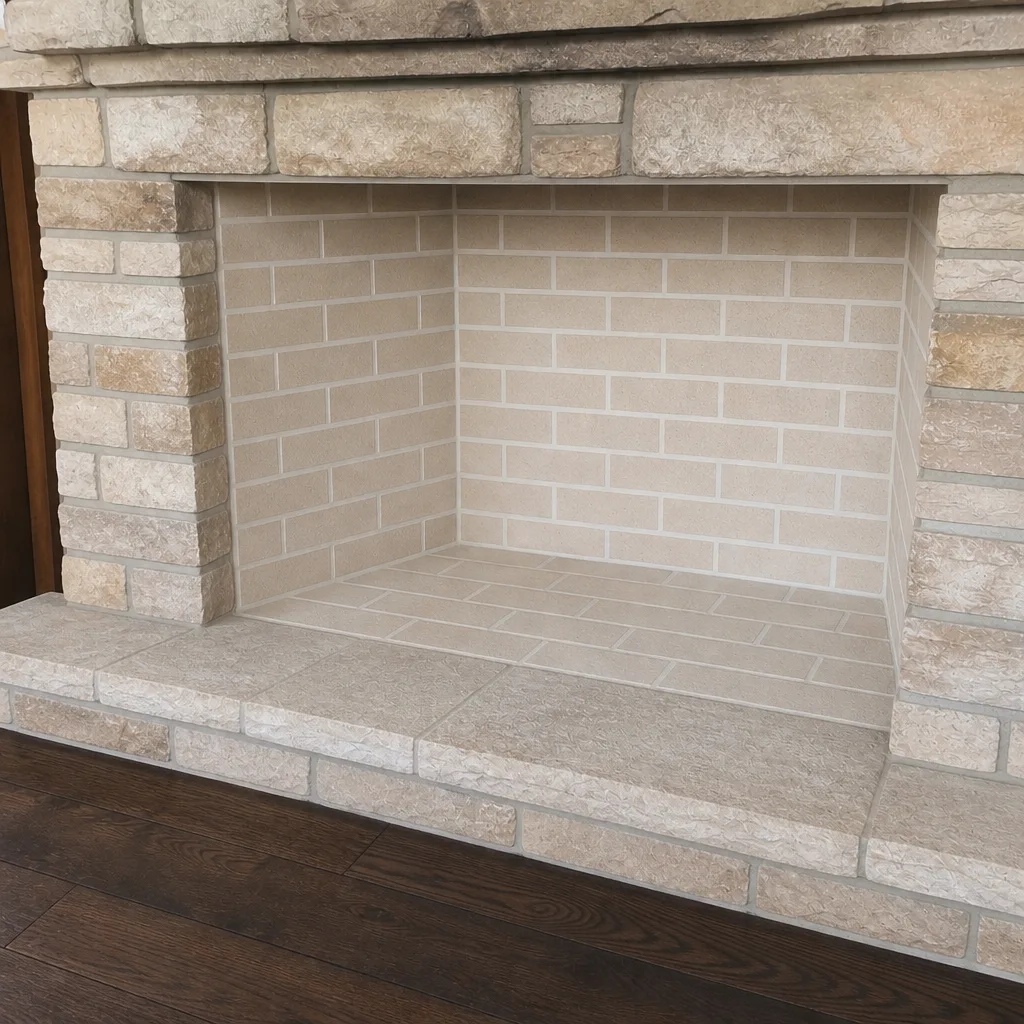
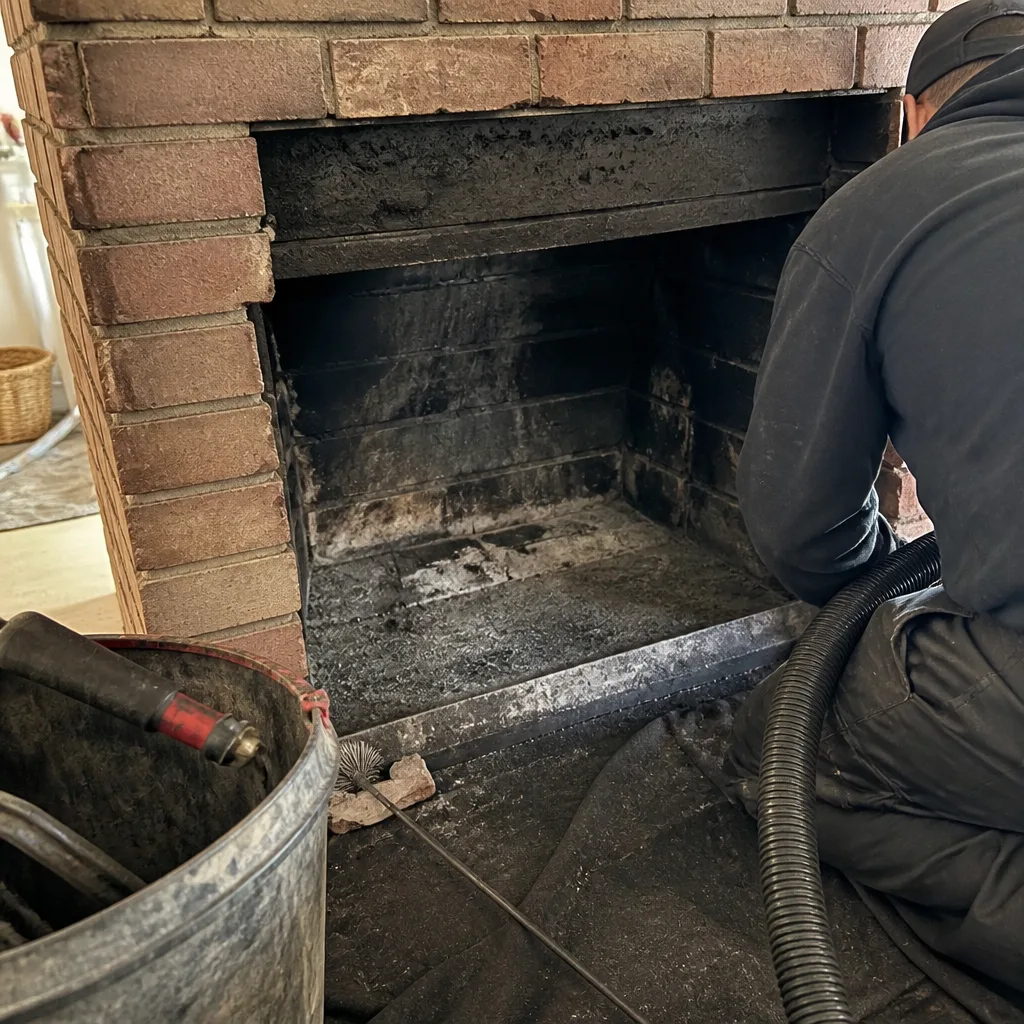
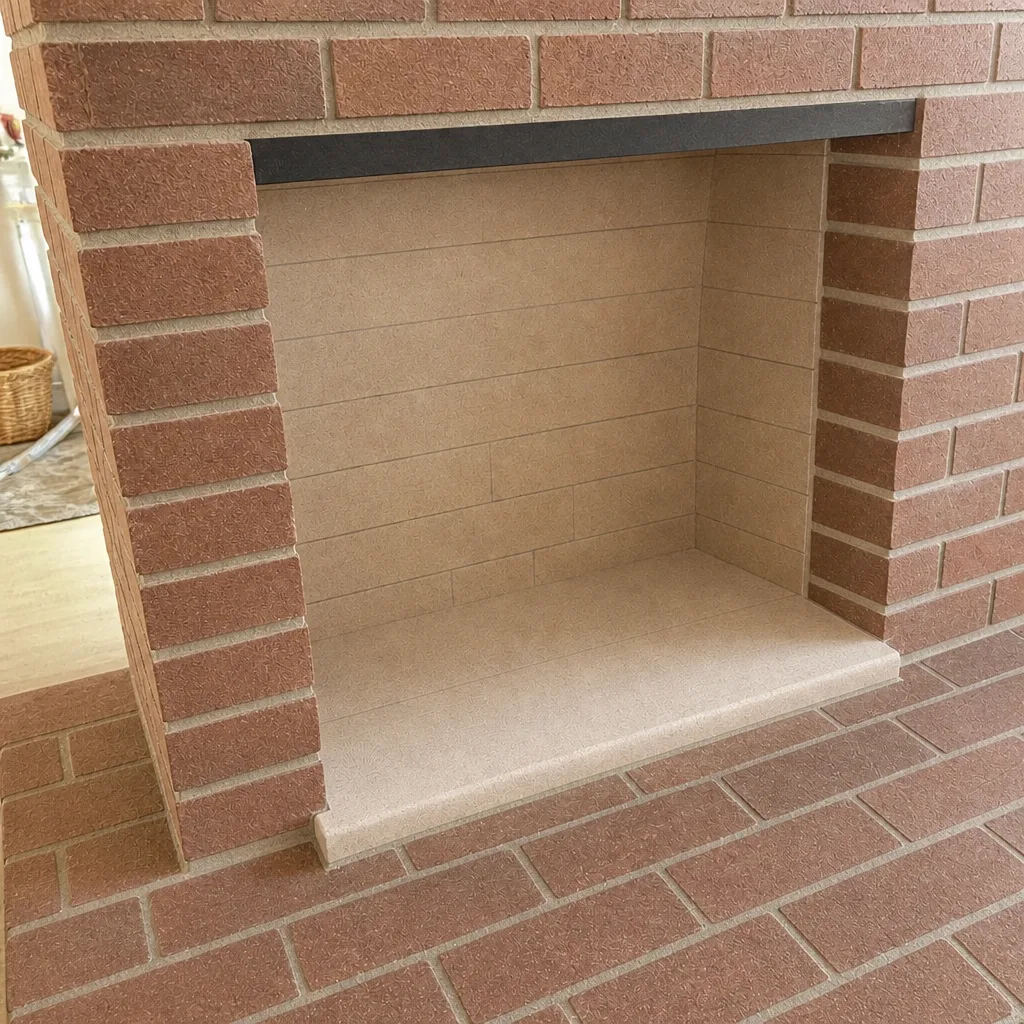
See the difference
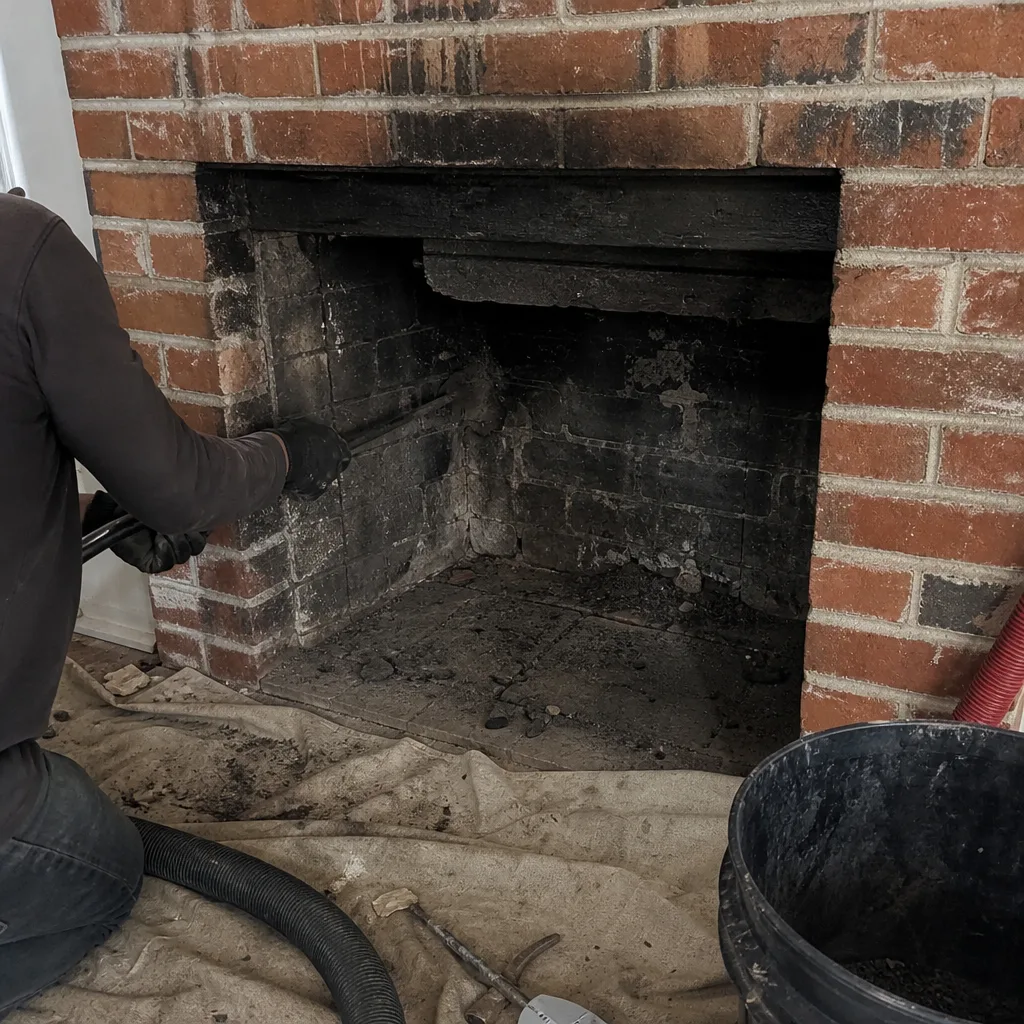 Before
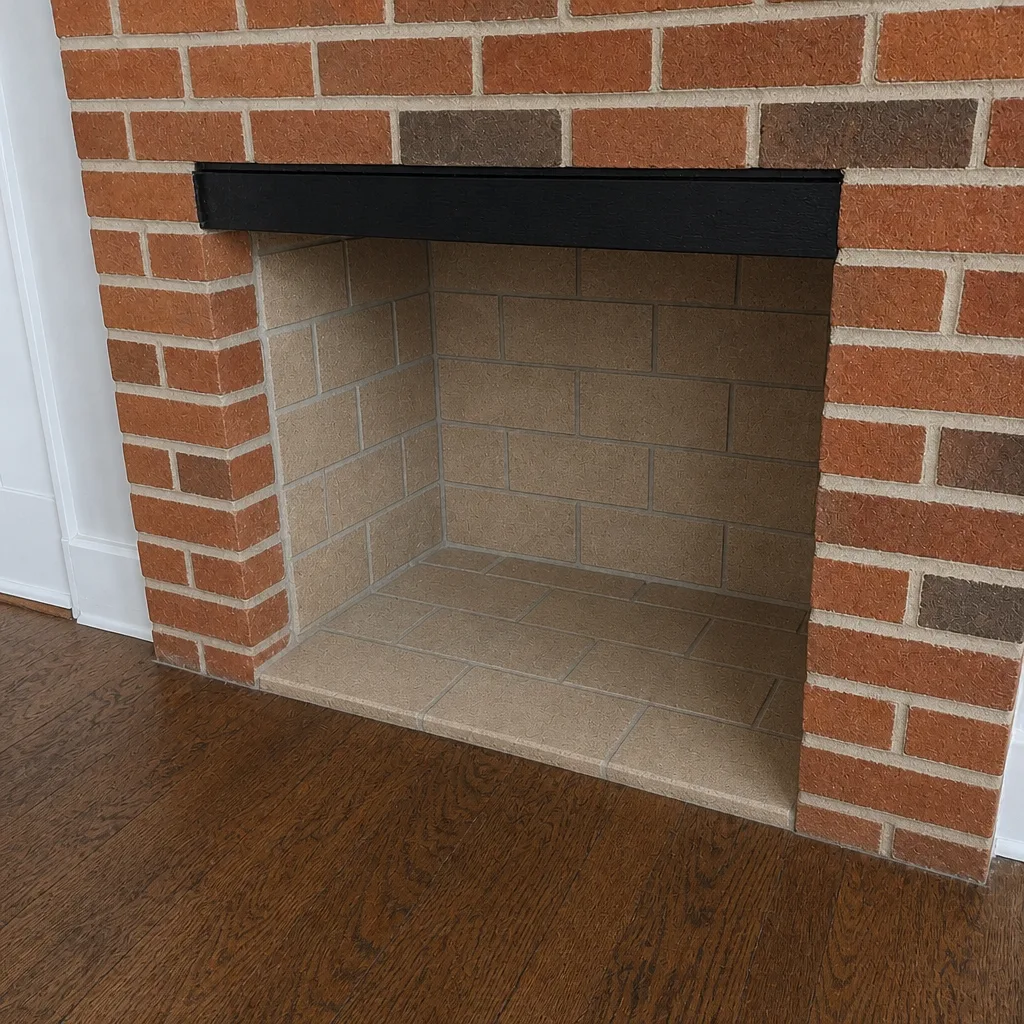 After
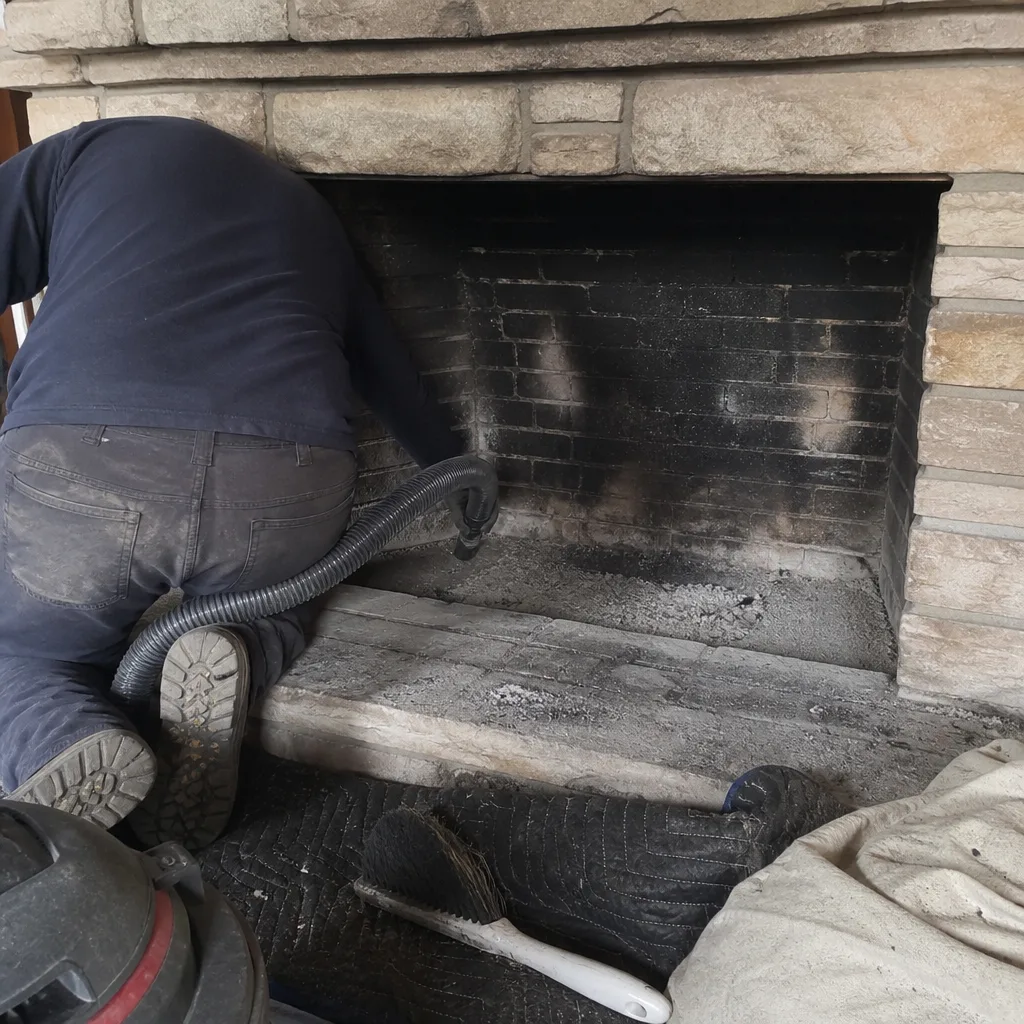 Before
 After
 Before
 After
When to Call a Professional
Most chimney care you can reason about, but some of it belongs to a professional. Call if you see cracking or spalling at the crown, if water is getting in, if you’ve had any sign of a chimney fire, if draft is poor or smoke backs up, or if an animal or nest is in the flue. Call before you burn after a long layoff, and call if you’re a heavy burner at mid-season. The chimney is a component where doing it yourself isn’t just inconvenient, it’s dangerous – height work, flue interiors and structural masonry are genuinely hazardous for an untrained homeowner. Chimney Sweep Harvey Park offers free estimates in Harvey Park – call (866) 947-8503.
Frequently Asked Questions
Once a year for most households, with the sweep in late August through mid-September and a post-winter inspection in spring. If you burn more than three cords of wood in a season, add a mid-season checkup in January. In this climate, the spring inspection matters as much as the annual sweep because of freeze-thaw damage to the crown and masonry.
Creosote keeps building, and creosote is flammable, so a heavily loaded chimney is a fire risk. You also lose the spring inspection that catches crown and masonry damage early. Skipping isn’t a one-time inconvenience – it lets two separate problems grow at once. Call (866) 947-8503 to book a sweep before the season – estimates are free.
Not always, and a liner isn’t something we recommend without a reason you can see. When a liner is damaged, options range from HeatShield ceramic resurfacing, which can restore a damaged flue in the right circumstances, to a full reline with a system like DuraFlex. We tell you what the inspection shows and let you decide – the chimney is inspected, not oversold.
Fall puts the firebox and flue in clean condition right before burning season, and the late August through mid-September window is ahead of the October rush. Spring is for inspection – catching freeze-thaw damage from the winter. Ideally you do both: sweep in fall, inspect in spring.
It depends on the depth of the crack and the season. In Harvey Park, a crack exposed to freeze-thaw cycles gets worse with each cycle, so one caught in late fall is worth addressing before winter. One caught in early summer has more time. Either way, an inspection tells you which side of that line you’re on.
Late summer and early fall, before the burning season and before the first freeze. That gives repair work – crowns, caps, masonry, liners – time to be done and to cure before it’s exposed to freeze-thaw. Call (866) 947-8503 to get on the schedule – estimates are free.
The Bottom Line
Harvey Park’s chimney care isn’t the generic four-season calendar. Late snow, hard freeze-thaw cycles and intense high-altitude UV make water and freeze damage the real story, and they push the important work into windows most homeowners overlook. Sweep in late August through mid-September, inspect in spring after the melt, check the cap and crown in summer, and add a mid-season look if you burn more than three cords. Handle all of it with professional-grade systems and a company that does nothing but chimneys, and you protect the house for the long run.
Whether you’re due for a sweep, a post-winter inspection, or a crown repair before fall, we sweep, inspect, repair, and reline – chimneys are all we do. From your first inspection to your final repair, one team handles it all, with materials like DuraFlex, HeatShield, Gelco, Olympia Chimney, Famco and Copperfield. Call (866) 947-8503 to book a free estimate in Harvey Park. We answer 24/7. Fast dispatch, 7am-7pm, Sunday through Friday.
Written by the team at Chimney Sweep Harvey Park.